




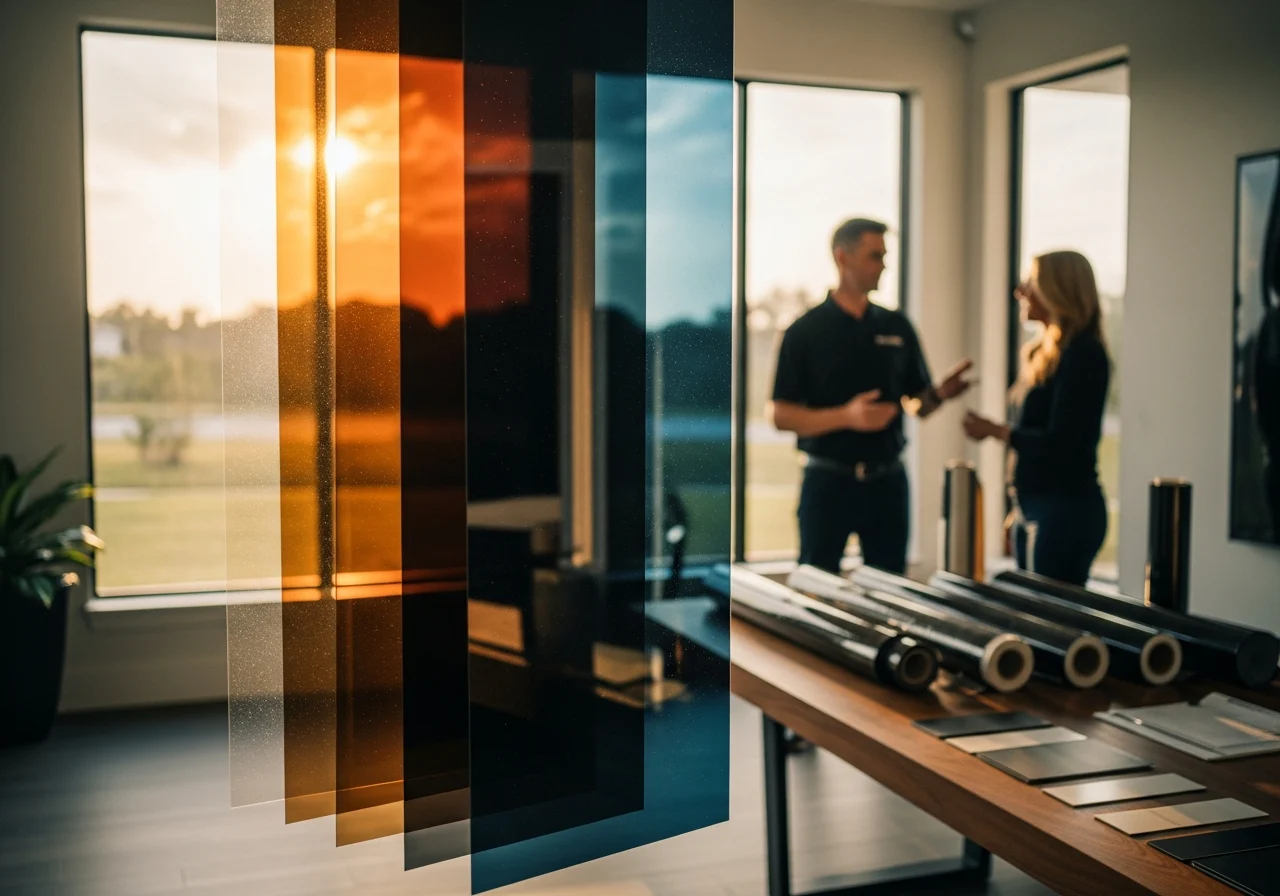
Window tints are often perceived as purely aesthetic enhancements for vehicles and buildings. However, beneath their sleek appearance is a fascinating world of science and technology. Understanding how window tints work not only enhances your appreciation for these products but also helps you make informed decisions about their application. In this post, we delve into the science behind window tints, exploring their composition, functionality, and benefits.
The Composition of Window Tints
Window tints consist of a thin, multi-layered film applied to the glass surface. The film is typically made from polyester, a durable and flexible material that can withstand various environmental conditions. This polyester layer is combined with other materials that enhance its properties and functionality.
One of the key components of window tint films is the dye or pigment used to color them. This layer absorbs a portion of the sunlight, reducing glare and visible light transmission. In addition to dyes, manufacturers may incorporate metal particles such as aluminum, nickel, or copper. These metals reflect solar energy, providing added protection against heat and UV rays.
The adhesive layer is another crucial component, responsible for bonding the film to the glass. This layer must be strong enough to withstand temperature fluctuations and moisture, ensuring the longevity of the tint.
Types of Window Tints
There are several types of window tints, each with its unique properties and applications. Dyed window tints are the most basic, using a layer of dye to absorb solar energy. They are effective in reducing glare but offer minimal heat reduction.
Metalized window tints incorporate metal particles that reflect sunlight, providing better heat reduction and UV protection compared to dyed tints. However, their reflective nature may interfere with electronic devices and signals.
Ceramic window tints are the latest innovation, using advanced ceramic particles that block infrared light without affecting visibility or electronic signals. These tints offer superior heat reduction and UV protection, making them an ideal choice for both automotive and architectural applications.

How Window Tints Block UV Rays
One of the primary benefits of window tints is their ability to block ultraviolet (UV) rays. UV rays are a form of electromagnetic radiation from the sun that can cause skin damage, fading of interior materials, and even contribute to skin cancer.
Window tints reduce UV exposure by absorbing or reflecting these harmful rays. The combination of dyes, metals, and ceramic particles in the tint film works to block up to 99% of UV radiation. This not only protects the occupants of a vehicle or building but also preserves the interior furnishings from fading and deterioration.
The Role of Infrared Reflection
In addition to UV protection, window tints help manage heat by reflecting infrared (IR) radiation. IR rays are responsible for the sensation of heat from sunlight. By reflecting these rays, window tints keep interiors cooler, reducing the need for air conditioning and enhancing energy efficiency.
Ceramic and metalized tints are particularly effective at reflecting IR radiation, making them popular choices for energy-conscious consumers who want to maintain a comfortable indoor temperature while minimizing energy costs.
The Impact on Visibility and Safety
While reducing glare and heat, window tints also play a crucial role in improving visibility and safety. By minimizing the intensity of sunlight entering a vehicle or building, tints reduce glare, which can significantly improve driving conditions and enhance occupant comfort.
In terms of safety, window tints provide an added layer of protection during accidents. The adhesive layer of the tint film holds shattered glass together, reducing the risk of injury from flying glass shards. This feature is especially beneficial for automotive applications where the risk of collision is higher.
Regulations and Legal Considerations
While window tints offer numerous benefits, they are subject to regulations and legal considerations that vary by location. It’s essential to be aware of the legal limits on window tint darkness and reflectivity to ensure compliance with local laws.

These regulations are in place to ensure that tints do not impede visibility or pose safety risks. Before installing window tints, it is advisable to research the specific requirements in your area to avoid potential fines and ensure your safety on the road.
The Environmental Benefits of Window Tints
Beyond personal comfort and safety, window tints contribute to environmental sustainability. By reducing heat gain, tints decrease the reliance on air conditioning systems, leading to lower energy consumption and reduced greenhouse gas emissions.
Additionally, by blocking UV rays, window tints help preserve the longevity of furniture, carpets, and other interior materials, reducing the need for frequent replacements and minimizing waste. This aspect of sustainability makes window tints a valuable addition to energy-efficient building designs.
Innovations in Sustainable Tinting Solutions
As the demand for eco-friendly solutions grows, manufacturers are developing innovative window tint technologies that enhance sustainability. These advancements include tints with improved solar reflectivity, longer lifespans, and recyclable materials.
By investing in sustainable tinting solutions, consumers can enjoy the benefits of reduced energy costs and environmental impact, making window tints an integral part of green building practices.
Choosing the Right Window Tint for Your Needs
Selecting the appropriate window tint involves considering several factors, including your specific needs, budget, and local regulations. Whether you’re seeking to enhance privacy, improve energy efficiency, or protect against UV rays, there is a tint solution tailored to your requirements.
Consulting with a professional installer can provide valuable insights into the best options available. They can recommend suitable tint types and ensure proper installation, maximizing the benefits of your investment.

Professional Installation vs. DIY
While some individuals may opt for a DIY approach to window tinting, professional installation is often recommended for optimal results. Experienced installers have the tools and expertise to apply tints without bubbles or imperfections, ensuring a smooth, long-lasting finish.
Additionally, professional installation often comes with warranties, providing peace of mind and protection for your investment. By choosing a reputable installer, you can enjoy the full range of benefits that window tints offer.
The Multifaceted Benefits of Window Tints
Window tints are more than just a stylish addition to vehicles and buildings. They represent a convergence of science and technology, offering a multitude of benefits ranging from UV protection and heat reduction to enhanced safety and environmental sustainability.
Understanding the science behind window tints empowers consumers to make informed decisions that align with their needs and values. As technological advancements continue to drive innovation in the industry, window tints will remain a valuable tool for improving comfort, safety, and energy efficiency.
By embracing the potential of window tints, individuals and businesses can contribute to a more sustainable and comfortable future, enjoying the myriad advantages that these versatile films provide.
As we delve deeper into the capabilities of window tints, it becomes clear that their applications extend far beyond conventional uses. The adaptability and technological advancements in tint films open new avenues for their utilization in various sectors.
Advanced Technological Applications of Window Tints
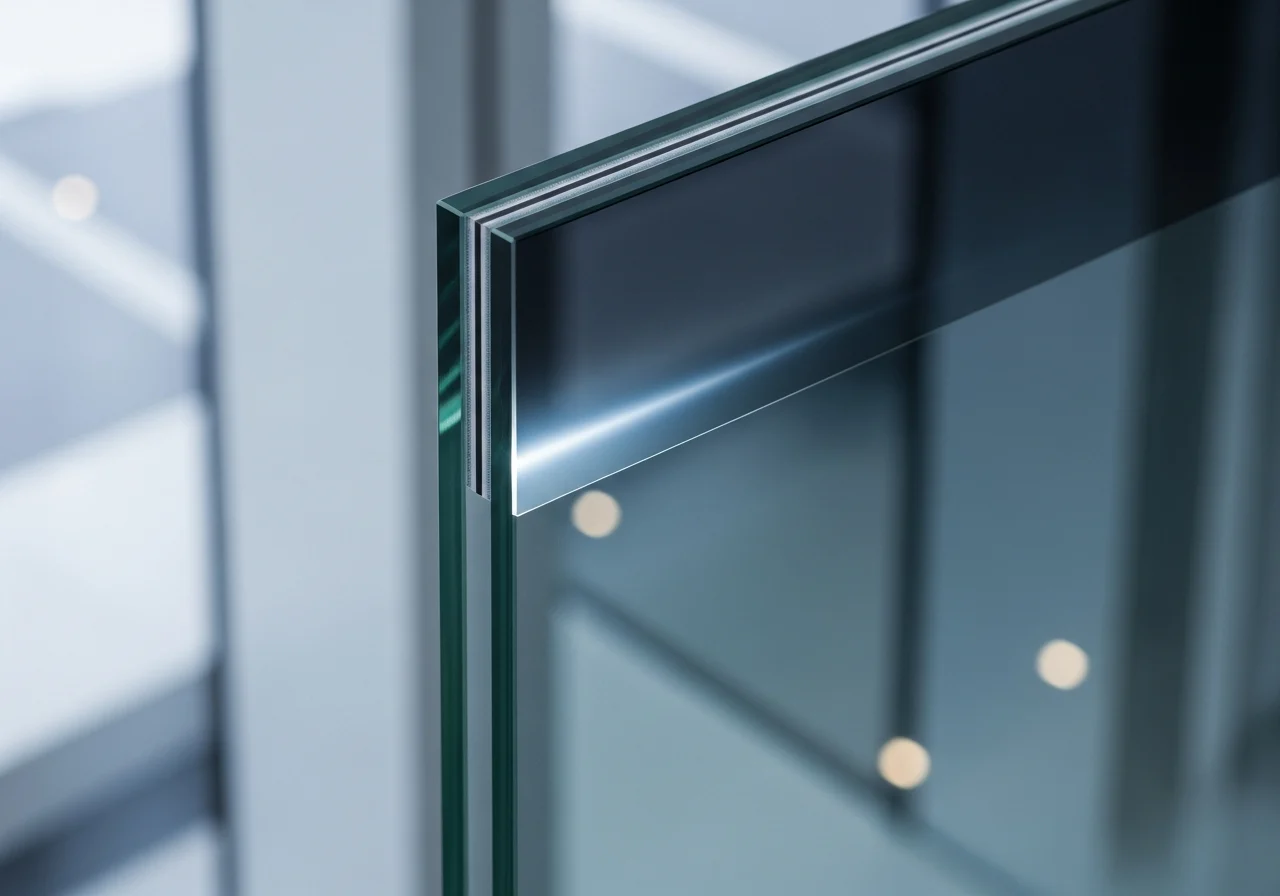
In recent years, the integration of smart technologies with window tints has led to the development of dynamic tinting solutions. These innovations include smart tints that can adjust their opacity in response to changing light conditions. This feature is particularly advantageous in commercial buildings, where maintaining a consistent indoor environment is crucial.
Smart window tints utilize electrochromic or photochromic technologies that allow them to change transparency levels automatically or via user control. This adaptability not only enhances comfort but also contributes to significant energy savings by optimizing the amount of natural light and heat entering a space.
Electrochromic Technology
Electrochromic window tints operate on the principle of electrical voltage to alter the film’s opacity. By applying a small electrical charge, these tints can transition from clear to tinted and vice versa. This capability makes them ideal for applications in smart buildings aiming for energy efficiency.
The seamless control over light and heat allows for a dynamic response to external conditions, providing both comfort and energy conservation. Although electrochromic tints are generally more expensive than traditional tints, their long-term benefits in energy savings and occupant comfort can outweigh the initial costs.
Window Tints in Specialized Settings
Beyond residential and commercial applications, window tints find use in specialized settings such as healthcare facilities, laboratories, and even in the aerospace industry. In healthcare environments, tints can play a pivotal role in protecting patients and sensitive equipment from harmful UV exposure.
In laboratories, window tints help maintain controlled environments by managing heat and light exposure. This is crucial for experiments that require precise conditions and for preserving the integrity of sensitive materials.
Moreover, aerospace manufacturers are exploring the use of window tints to improve the efficiency and comfort of aircraft cabins. By regulating the amount of heat and light entering the cabin, tints contribute to a more comfortable experience for passengers while aiding in the aircraft’s overall energy management.
Future Trends in Window Tint Technology
The future of window tint technology is poised for exciting developments. Research into nanotechnology-enhanced films is underway, promising even greater efficiency in heat and UV ray blocking. These nanotechnology-infused tints could offer unparalleled protection and performance, revolutionizing the way we think about window coverings.
Additionally, the integration of solar energy technology with window tints presents a promising avenue. By embedding photovoltaic cells into the tint film, windows could potentially generate electricity, contributing to a building’s energy supply while still providing the traditional benefits of tinting.
For more information on the science of window tints, you can explore resources such as the U.S. Department of Energy’s guide on energy-efficient window attachments and the EPA’s information on UV radiation.
Embracing the Future of Window Tints
The evolution of window tint technology reflects a broader trend towards smarter, more efficient solutions in building and vehicle design. As the industry continues to innovate, the potential applications for window tints will expand, offering new opportunities for enhancing comfort, safety, and sustainability.
Embracing these advancements requires a commitment to understanding the science behind window tints and staying informed about emerging technologies. By doing so, consumers and businesses alike can make choices that not only meet their immediate needs but also contribute to a more sustainable and technologically advanced future.
With the ongoing development of smart and sustainable solutions, window tints are set to remain an integral component of modern design, providing benefits that extend far beyond their traditional roles.
Need help with The Science Behind Window Tints: How Do They Work??