



The Top Benefits of Auto Window Tinting: Why It’s Worth the Investment
Auto window tinting is often perceived merely as a cosmetic upgrade for vehicles. However, beneath its sleek, stylish appearance lies a multitude of practical benefits that make it a wise investment for car owners. From enhancing privacy to improving safety and comfort, window tinting offers a range of advantages that contribute to both the short-term enjoyment and long-term value of a vehicle.
Understanding Auto Window Tinting
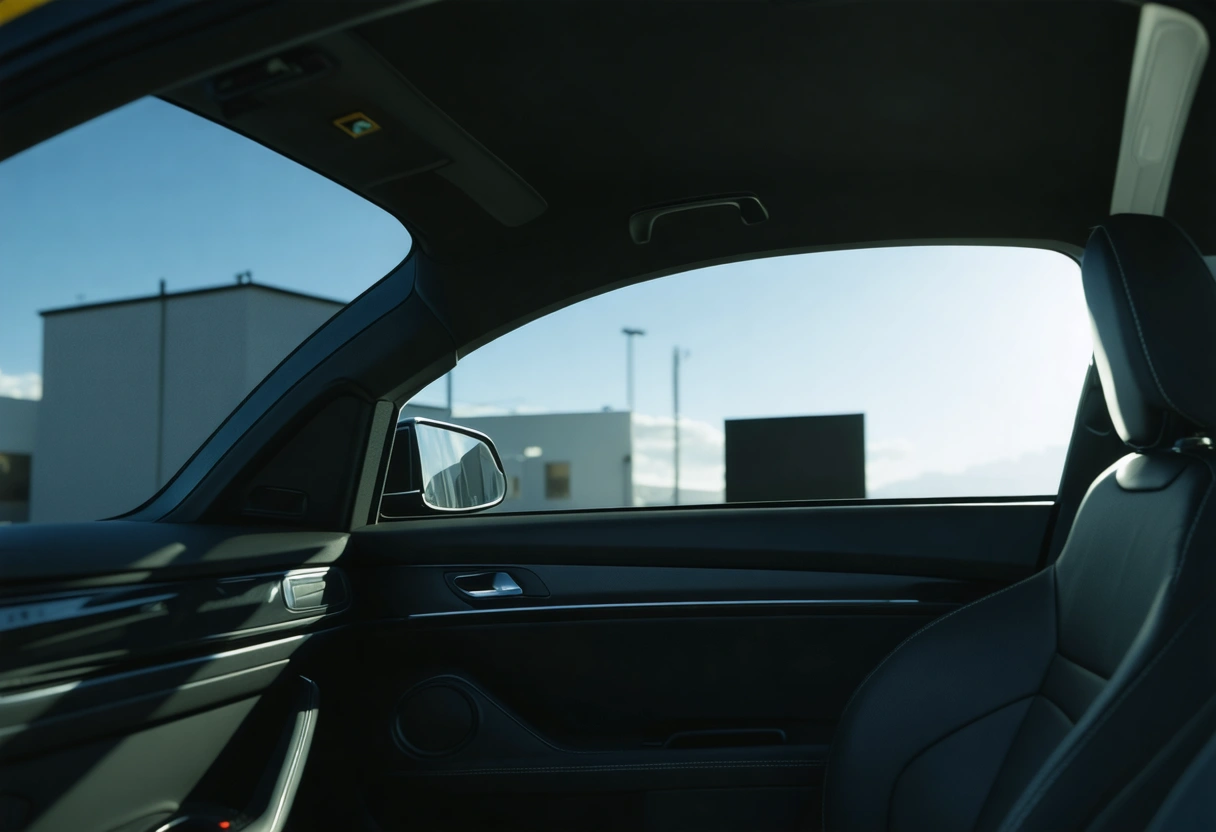
Auto window tinting involves applying a thin film to the interior surface of a vehicle’s windows. This film is usually made from polyester and is available in various shades and thickness levels. While many people opt for window tinting to enhance the aesthetic appeal of their cars, it also plays a critical role in protecting the vehicle and its occupants.
Window tinting is not a one-size-fits-all solution. Different types of tints are available to suit various needs and preferences. These include dyed, metalized, hybrid, carbon, and ceramic tints. Each type comes with distinct characteristics and benefits, making it important for vehicle owners to understand their options before making a decision.
Improved Privacy and Security
One of the primary benefits of auto window tinting is the enhanced privacy it provides. Tinted windows make it more difficult for outsiders to peer into your car, protecting you and your belongings from prying eyes. This can be particularly useful when you need to leave valuables in your car while running errands or when parked in unfamiliar locations.
Moreover, window tinting deters potential thieves by making it harder for them to see inside the vehicle. According to Crime Stoppers of Houston, cars with visible valuables are more likely to be targeted by thieves. The added layer of tint acts as a deterrent, reducing the likelihood of theft and vandalism.
Protection from Harmful UV Rays
Exposure to ultraviolet (UV) rays can have detrimental effects on both human health and vehicle interiors. Prolonged exposure to UV radiation increases the risk of skin cancer, premature aging, and other skin-related issues. Auto window tinting can block up to 99% of harmful UV rays, providing crucial protection for drivers and passengers.
In addition to protecting your health, window tinting also helps preserve the interior of your vehicle. Sunlight can cause fading, cracking, and deterioration of upholstery, dashboard, and other interior components. By reducing UV exposure, window tinting extends the lifespan of your car’s interior, maintaining its aesthetic appeal and resale value.
Enhanced Comfort and Reduced Glare
Driving in bright sunlight can be uncomfortable and hazardous, especially when glare from the sun impairs visibility. Window tinting significantly reduces glare, allowing drivers to have a clearer view of the road ahead. This not only enhances comfort but also improves safety by reducing the likelihood of accidents caused by impaired vision.
Furthermore, window tinting helps regulate the temperature inside the vehicle by blocking a significant portion of solar heat. This can be particularly beneficial during hot summer months when the interior of a car can become unbearably warm. By reducing heat buildup, window tinting minimizes the reliance on air conditioning, leading to improved fuel efficiency and reduced energy consumption.
Increased Shatter Resistance
Another important benefit of auto window tinting is increased shatter resistance. In the unfortunate event of an accident, the tint film holds the glass together, preventing it from shattering into dangerous shards. This reduces the risk of injury to occupants and makes it more difficult for intruders to break into the vehicle.

According to the National Highway Traffic Safety Administration, glass-related injuries can be severe during a collision. By maintaining the integrity of the glass, window tinting enhances overall vehicle safety and provides peace of mind for drivers and passengers alike.
Improved Vehicle Aesthetics and Resale Value
While the functional benefits of window tinting are substantial, the aesthetic appeal it offers should not be overlooked. Tinted windows give vehicles a sleek, modern look that can enhance their overall appearance. Whether you prefer a subtle shade or a darker tint, the customization options allow for a personalized touch that reflects your style.
Additionally, a well-maintained tinted vehicle can have a higher resale value. Prospective buyers often appreciate the added benefits of window tinting, such as UV protection and enhanced safety, making them more willing to pay a premium for a car that offers these features. As a result, investing in window tinting can pay off in the long run when it comes time to sell or trade in your vehicle.
Environmental Benefits of Window Tinting
In today’s world, environmental consciousness is becoming increasingly important. Auto window tinting contributes to environmental sustainability by reducing energy consumption. By blocking a significant amount of solar heat, window tinting decreases the need for air conditioning, leading to reduced fuel consumption and lower emissions.
Moreover, by preserving the interior of your vehicle, window tinting reduces the need for replacements and repairs, minimizing waste and resource consumption. In this way, tinting is an eco-friendly choice that aligns with the growing trend towards sustainable living and responsible consumption.
Takeaways
Auto window tinting offers a plethora of benefits that extend far beyond mere aesthetics. From enhancing privacy and security to providing protection against harmful UV rays, the advantages of window tinting are both practical and substantial. It improves comfort, enhances safety, and even contributes to environmental sustainability.
As you consider the benefits of auto window tinting, it’s crucial to choose a reputable service provider who uses high-quality materials and offers professional installation. This ensures that you can enjoy the full spectrum of benefits that window tinting has to offer.
Ultimately, investing in auto window tinting is a decision that enhances your driving experience while adding value to your vehicle. Whether you’re seeking protection from the elements, improved safety, or a touch of sophistication, window tinting is a worthwhile investment that delivers lasting benefits.
Choosing the Right Tint for Your Vehicle
When it comes to auto window tinting, selecting the right type of tint is crucial to maximize the benefits. There are several factors to consider, including the level of darkness, type of tint, and legal regulations in your area. Understanding these elements will help you make an informed decision that meets your needs and complies with local laws.
The darkness of the tint, measured by the Visible Light Transmission (VLT) percentage, determines how much light can penetrate through the windows. A lower VLT percentage means darker tint and less light penetration. While darker tints offer increased privacy and UV protection, they may not be legal in all areas. Therefore, checking the tinting laws in your state or country is essential to ensure compliance.
Different types of window tints come with unique features. Dyed tints are cost-effective and provide a non-reflective finish, while metalized tints are known for their durability and reflective properties. Carbon tints offer a sleek, matte finish and excellent UV protection, whereas ceramic tints provide top-notch heat and UV rejection without signal interference. Each option has its pros and cons, so weighing them against your specific needs will guide you to the right choice.
Professional vs. DIY Window Tinting
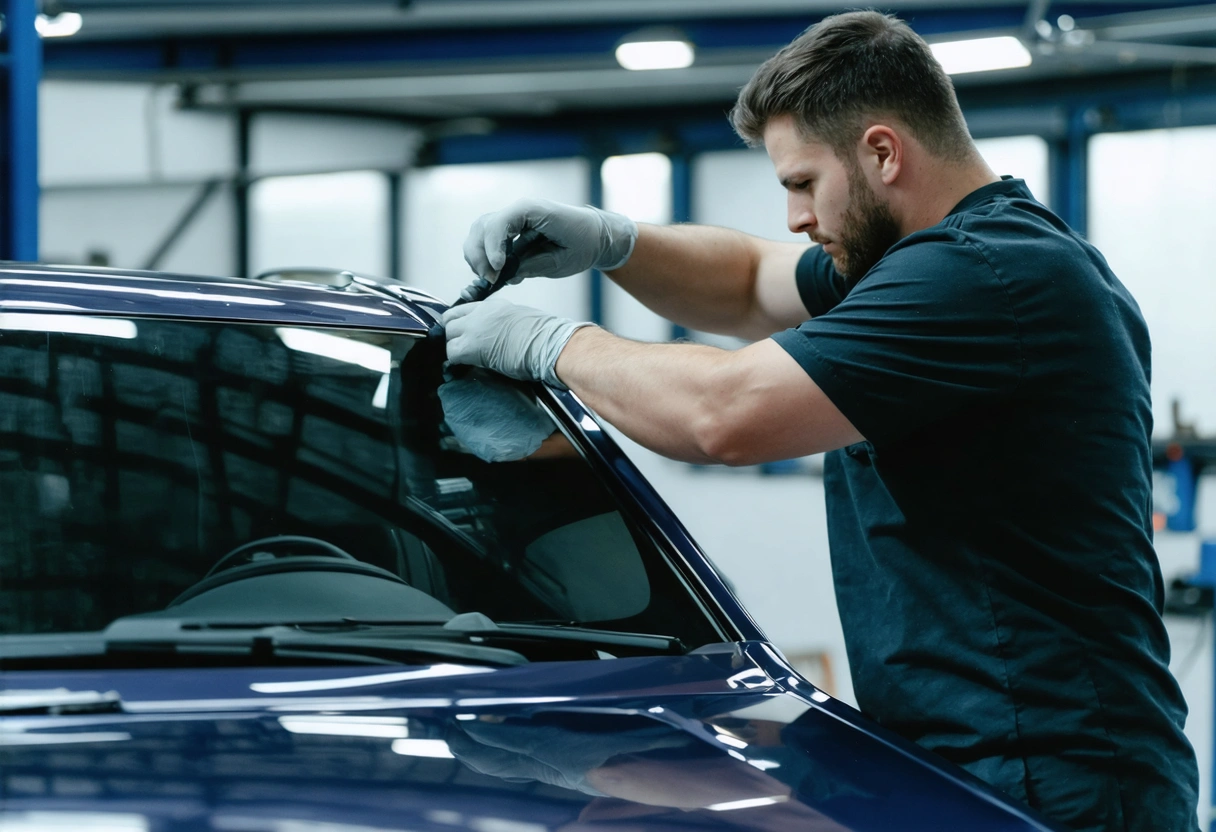
Once you’ve decided on the type of tint, the next step is to determine whether you should opt for professional installation or take the DIY route. Both have their advantages and drawbacks, and your choice depends on factors such as budget, skill level, and desired quality of finish.
Professional window tinting services offer expertise and precision that can be challenging to replicate with a DIY approach. Experienced technicians have the skills to ensure a flawless application, minimizing the risk of bubbles, creases, or peeling. Additionally, professional services often come with warranties that guarantee the quality and longevity of the tint. This can provide peace of mind, knowing that the investment is protected.
On the other hand, DIY window tinting kits are more budget-friendly and offer a sense of accomplishment for those who enjoy hands-on projects. However, the process can be time-consuming and requires meticulous attention to detail. Mistakes during installation can lead to unsatisfactory results and may necessitate professional correction, potentially increasing overall costs. Therefore, assessing your skills and comfort level with DIY projects is crucial before embarking on this route.
Maintenance Tips for Tinted Windows
To ensure the longevity and effectiveness of your auto window tint, proper maintenance is essential. Following simple care guidelines can help preserve the tint’s appearance and functionality, allowing you to enjoy its benefits for years to come.
After installation, it’s important to avoid rolling down the windows for at least a few days to allow the tint to properly adhere to the glass. Cleaning the windows requires a gentle approach, using a mild soap and water solution and a soft cloth. Avoid harsh cleaning agents and abrasive materials that can damage the tint film.
Regular inspections of the tint for signs of wear, such as bubbling or peeling, allow for early detection and prompt repairs. In the event of damage, consulting a professional to assess and fix the issue ensures that your tint continues to perform optimally.
Debunking Common Myths About Window Tinting
Despite its widespread popularity, several myths surround auto window tinting, leading to misconceptions about its benefits and limitations. Addressing these myths can provide clarity and help car owners make informed decisions.
One common myth is that window tinting is purely an aesthetic enhancement with no functional benefits. As discussed, tinting offers numerous practical advantages, including UV protection, improved privacy, and increased safety. Another misconception is that window tinting is illegal. While regulations vary by location, many areas allow window tinting within specified limits, making it essential to understand local laws.
Some believe that window tinting interferes with radio, GPS, or mobile signals. While certain metalized tints may cause interference, modern ceramic and carbon tints are designed to avoid such issues. Finally, the myth that tinted windows are difficult to care for is unfounded, as proper maintenance is straightforward and manageable.
Final Thoughts
Auto window tinting is a multifaceted investment that offers an array of benefits extending beyond mere aesthetics. By enhancing privacy, protecting against UV rays, improving safety, and contributing to environmental sustainability, window tinting significantly elevates the driving experience.
Whether you’re looking to protect your health, preserve your vehicle’s interior, or simply add a touch of sophistication, window tinting is a practical choice that delivers long-term value. By understanding the options available and adhering to local laws, you can make the most of this investment and enjoy its rewards for years to come.
Ultimately, choosing the right window tint and ensuring proper installation and maintenance are key to maximizing its benefits. Whether you opt for professional services or embark on a DIY project, the advantages of window tinting are undeniable, making it a worthy addition to any vehicle.
Need help with The Top Benefits of Auto Window Tinting: Why It’s Worth the Investment?