




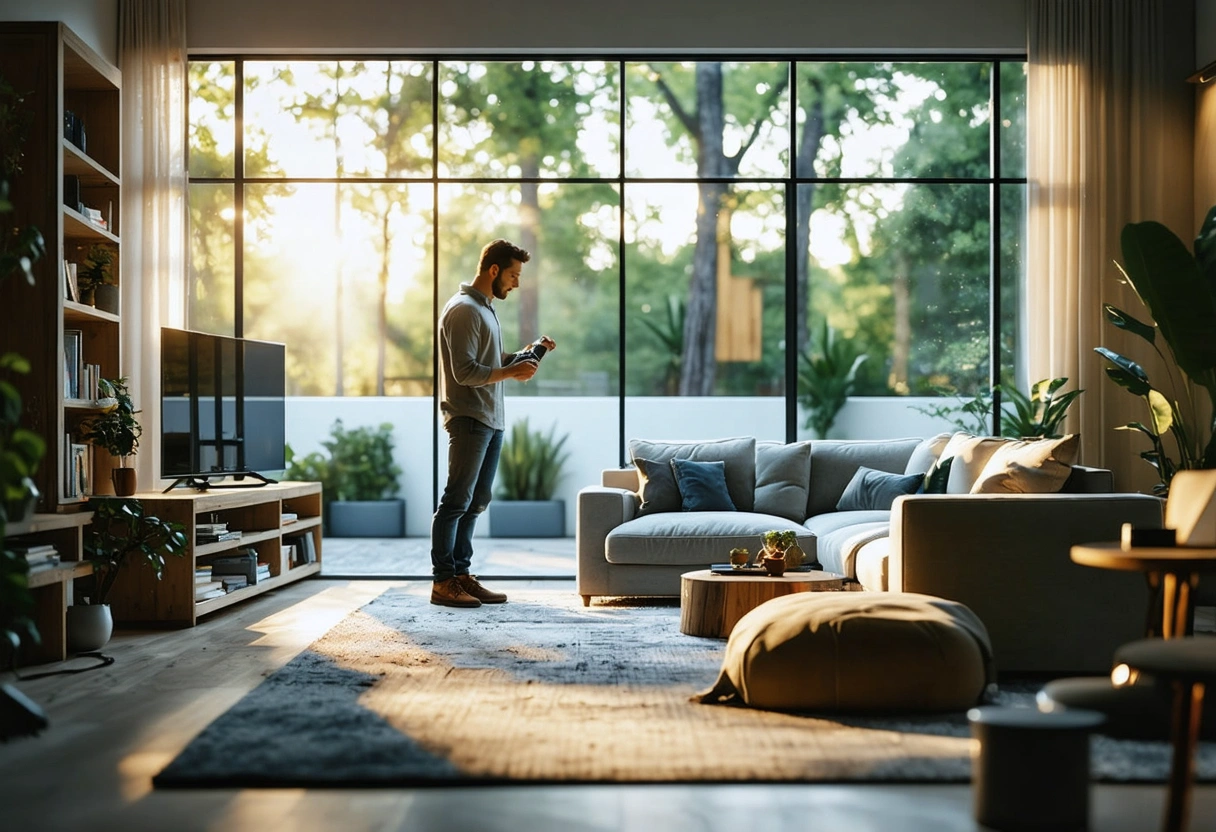
As homeowners, we often focus on the aesthetic appeal of our interiors, investing in furniture, artwork, and decor to create a welcoming environment. However, one critical aspect often overlooked is the impact of ultraviolet (UV) rays on our home’s interior. Not only do these rays pose a risk to the fabrics and colors of our furnishings, but they also affect the overall energy efficiency of our homes.
Residential window tinting offers an effective solution to these challenges, providing a shield against the harmful effects of UV rays while enhancing the comfort and longevity of your home interiors. This guide will explore the multifaceted benefits of residential window tinting, delving into how it protects your investment and improves your living experience.
The Science Behind UV Rays and Their Impact on Interiors
Ultraviolet rays are a component of sunlight, invisible to the naked eye but potent enough to cause significant damage over time. These rays are categorized into three types: UVA, UVB, and UVC. While UVC rays are mostly absorbed by the Earth’s atmosphere, UVA and UVB rays penetrate through, impacting everything from skin health to the materials within your home.
When UV rays enter your home through windows, they can break down the chemical bonds in materials, leading to faded colors and weakened structures. For instance, wooden furniture may become discolored, fabrics can lose their vibrancy, and even flooring materials may degrade. This not only affects the aesthetic appeal of your interiors but also reduces the longevity of your investments.
Moreover, UV rays contribute to the increase of indoor temperatures, forcing your cooling systems to work harder and increasing energy consumption. By understanding these impacts, homeowners can better appreciate the necessity of effective UV protection methods such as window tinting.
How Residential Window Tinting Works
Window tinting involves applying a thin, transparent film to the interior side of windows. This film is designed to filter out a significant portion of UV rays while allowing natural light to pass through. The technology behind window films has advanced significantly, providing varying degrees of tint and protection to meet different needs.

The primary function of window tinting is to reflect and absorb UV radiation, thereby reducing the amount that penetrates your home. This is achieved through the film’s multi-layer construction, which often includes a metalized layer for reflection and a dyed layer for absorption. The result is a marked reduction in UV exposure, keeping your interiors safe from damage.
Beyond UV protection, window tinting also offers other benefits, such as glare reduction and privacy enhancement. By choosing the right type of tint, homeowners can tailor their solutions to address specific needs, whether it’s minimizing glare in a home office or ensuring privacy in a bedroom.
Benefits of Window Tinting for Homeowners
Protecting Your Investments
One of the most significant advantages of residential window tinting is the protection it offers to your furniture and decor. By blocking up to 99% of harmful UV rays, window films help preserve the colors and integrity of your furnishings. This extends the lifespan of your investments and maintains the beauty of your home interiors over time.
For homeowners with valuable artwork, window tinting is particularly beneficial. Art pieces are highly susceptible to fading and damage due to UV exposure. By installing window tints, you can ensure that your art collection remains vibrant and intact for years to come.
Improving Energy Efficiency
In addition to protecting your interiors, window tinting plays a vital role in enhancing home energy efficiency. By blocking out a portion of the sun’s heat, window films reduce the need for air conditioning, leading to lower energy bills. This is particularly advantageous during the summer months when cooling systems are typically under heavy demand.
Furthermore, window tinting also provides a level of insulation during the winter, helping to retain heat and reduce heating costs. This dual function makes window tinting an excellent investment for year-round energy savings.
Choosing the Right Window Tint for Your Home
When selecting window tinting for your home, it’s crucial to consider factors such as the level of UV protection, the amount of natural light you want to retain, and your privacy concerns. Different types of window films offer varying levels of these features, allowing you to customize your choice based on your specific needs.
For maximum UV protection, consider films with higher UV rejection rates. These are particularly useful in rooms with direct sunlight exposure, such as living rooms or sunrooms. If privacy is a primary concern, opt for tints with mirror-like finishes that prevent outsiders from seeing in while maintaining your view of the outside.
Additionally, consider the aesthetic impact of window tinting. Some films are virtually invisible, preserving the exterior appearance of your home, while others provide a slight tint that can enhance the look of your windows. By consulting with a professional window tinting service, you can gain insights into the best options for your specific home.
Maintaining Your Window Tinting
Once installed, maintaining your window tinting is relatively straightforward. Regular cleaning with a mild, non-abrasive solution is usually sufficient to keep the films in good condition. Avoid using harsh chemicals or rough materials that could scratch or damage the film.
It’s also essential to be mindful of potential damage from sharp objects or pets. Although window films are durable, they can be punctured or scratched by sharp claws or tools. By taking these precautions, you can ensure that your window tinting remains effective and attractive for many years.
Investing in Long-Term Protection
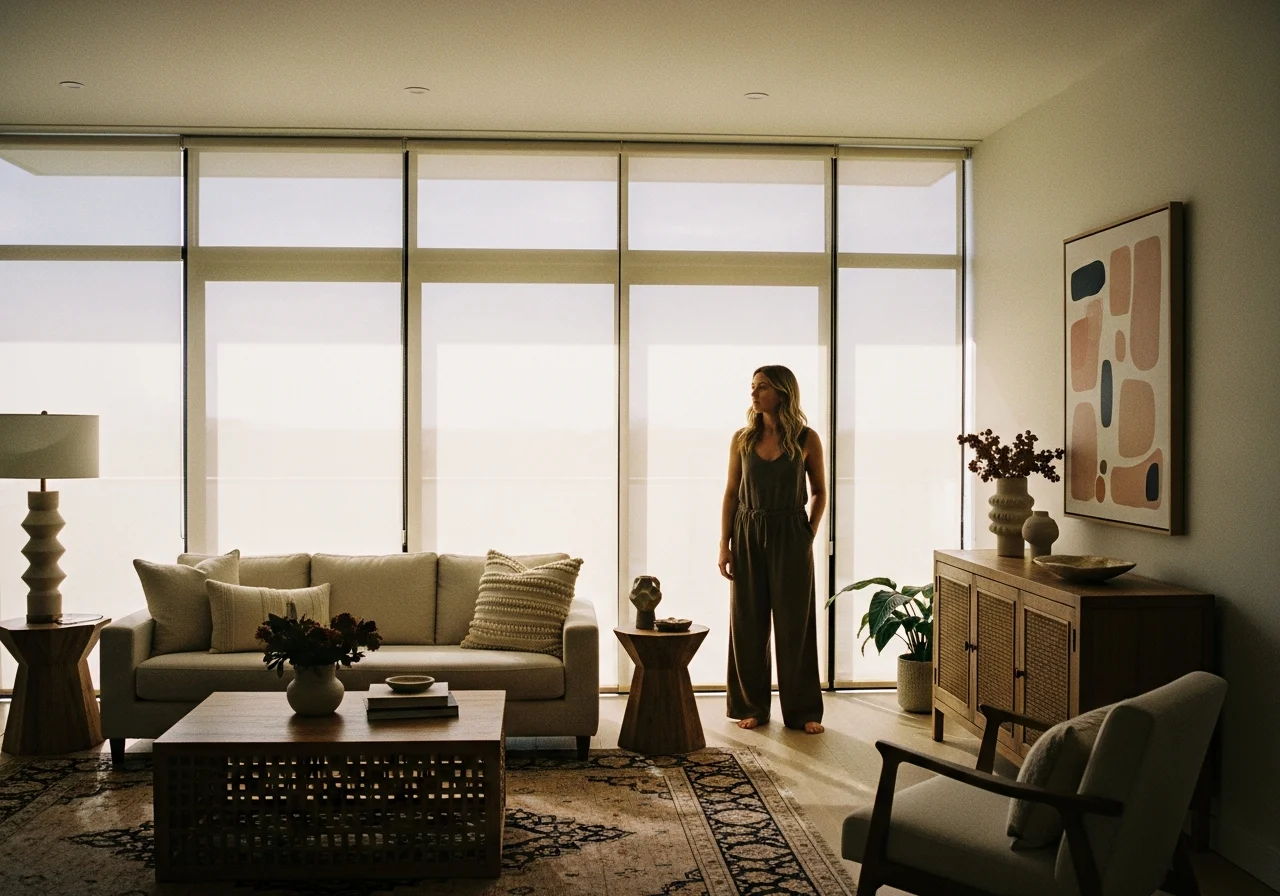
Residential window tinting offers a comprehensive solution for protecting your home interiors from the harmful effects of UV rays. By investing in quality window films, you not only safeguard your furnishings and decor but also enhance your home’s energy efficiency and comfort.
As you consider your options, remember that the benefits of window tinting extend beyond mere UV protection. From reducing glare to improving privacy, window films offer a range of advantages that contribute to a better living environment. By making an informed choice, you can enjoy the peace of mind that comes with knowing your home is well-protected.
For further reading on the subject, consider exploring resources on energy efficiency, studying the impact of UV radiation on health and materials, or learning more about preservation techniques for artworks and artifacts. These insights can deepen your understanding and appreciation of the protective power of residential window tinting.
Exploring the Different Types of Window Films
When it comes to residential window tinting, there is a wide variety of films available, each designed for specific applications and benefits. Understanding the different types can help you make an informed decision that best suits your home’s needs.
Dyed Window Films
Dyed window films are among the most common types used for residential purposes. They are crafted with a layer of dye that absorbs solar heat and reduces glare. While these films are effective in reducing heat and providing a level of privacy, they primarily focus on aesthetics and are not as robust in UV protection as other types. However, they are often the most affordable option, making them a popular choice for budget-conscious homeowners.

Metalized Window Films
Metalized films incorporate a thin layer of metal that reflects heat and light. This type of film is effective in reducing heat transfer, making it an excellent choice for improving energy efficiency. Metalized films are more durable than dyed films and provide better UV protection. However, they may interfere with electronic signals, which can be a consideration for homes with advanced smart home systems.
Hybrid Window Films
Hybrid films combine the benefits of both dyed and metalized films, offering a balance between glare reduction, heat control, and UV protection. These films are designed to minimize some of the drawbacks of purely dyed or metalized films, such as signal interference or reduced visibility. Hybrid films are suitable for homeowners seeking a comprehensive solution without compromising on aesthetics or functionality.
Ceramic Window Films
For those seeking top-tier performance, ceramic window films provide superior UV protection, glare reduction, and heat control without the use of metal. These films are made with advanced ceramic technology, allowing them to block a substantial amount of UV rays while maintaining optimal clarity. Ceramic films are highly durable and do not interfere with electronic signals, making them a premium choice for modern homes.
The Environmental Benefits of Window Tinting
In addition to protecting your home and reducing energy costs, window tinting also offers environmental benefits. By decreasing the reliance on heating and cooling systems, window films contribute to a reduction in overall energy consumption. This, in turn, leads to a decrease in carbon emissions, supporting efforts to combat climate change.
Moreover, by extending the life of your home furnishings and reducing the need for replacements, window tinting helps minimize waste. This sustainable approach aligns with the growing emphasis on eco-friendly home solutions. By choosing window tinting, homeowners can play a part in promoting environmental conservation while enjoying the practical benefits of their investment.

Common Misconceptions About Window Tinting
Despite its benefits, there are some misconceptions surrounding window tinting that may deter homeowners from considering this valuable solution. One such misconception is that window tinting drastically darkens interiors, leading to a gloomy atmosphere. In reality, modern window films are designed to maintain natural light while filtering harmful rays, ensuring a bright and pleasant indoor environment.
Another misconception is that window tinting is only necessary for homes in sunny climates. However, UV rays can penetrate windows in any region, and the benefits of energy efficiency are relevant regardless of geographic location. Window tinting offers year-round advantages that enhance the comfort and protection of any home, regardless of weather patterns.
Making an Informed Decision
As you evaluate the potential of residential window tinting, it’s important to consider both the immediate and long-term benefits. By investing in a high-quality window film, you’re not only protecting your home from the deleterious effects of UV rays but also enhancing its energy efficiency and environmental footprint.
By addressing common misconceptions and exploring the various types of window films available, you can select a solution that aligns with your home’s aesthetic, functional, and environmental goals. Whether you’re looking to preserve your cherished furnishings, reduce your energy bills, or contribute to sustainable living, residential window tinting offers a versatile and effective approach.
For those interested in further exploring the technical aspects of window tinting, resources such as the National Renewable Energy Laboratory provide in-depth information on building energy efficiency. Additionally, understanding the science behind window technologies can empower you to make decisions that best suit your home and lifestyle.
Need help with Protecting Your Home Interiors: The UV Shielding Power of Residential Window Tinting?