




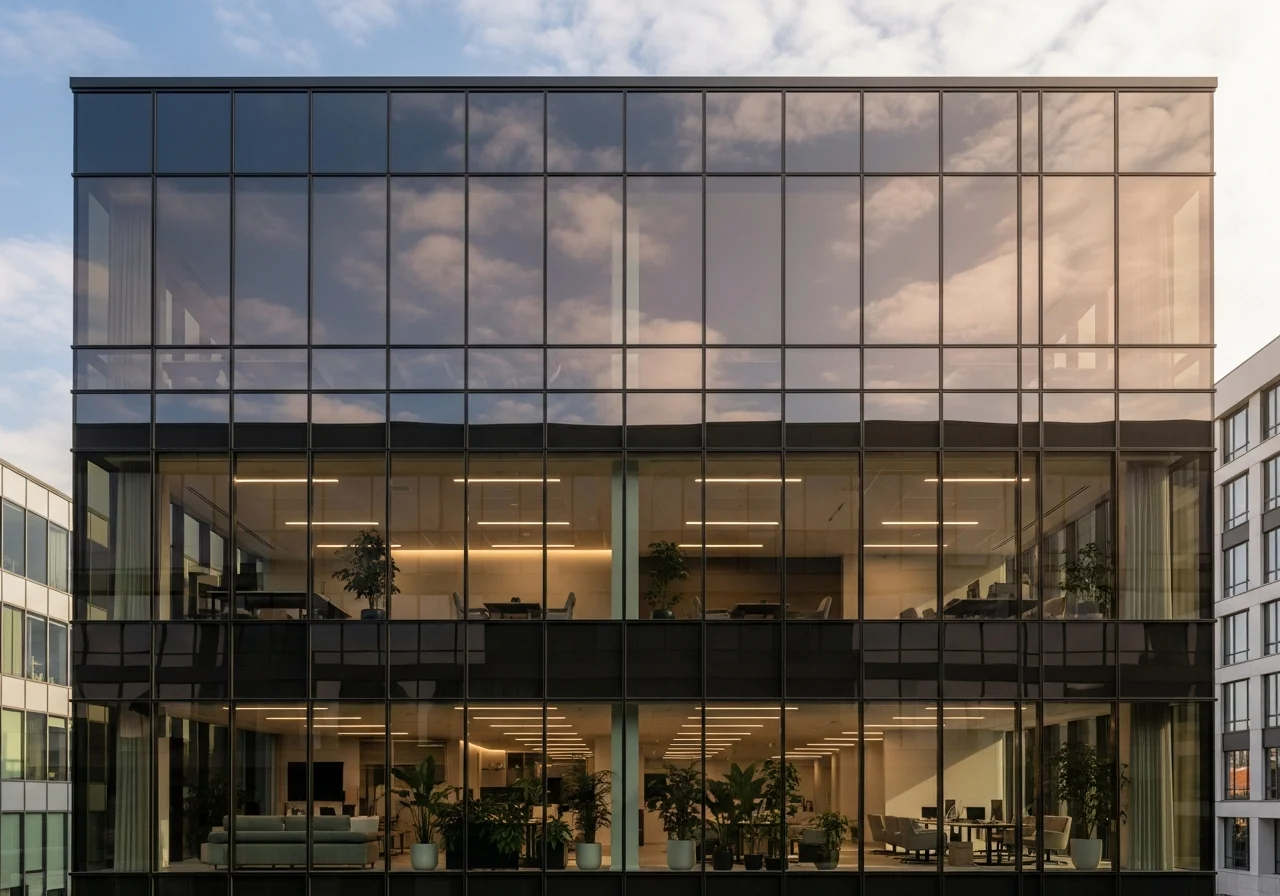
Understanding the Role of Commercial Window Tinting in Energy Efficiency
In the modern business landscape, energy efficiency is not just a trend but a necessity. Companies are increasingly seeking ways to reduce their carbon footprint and utility costs. One often overlooked but highly effective solution is commercial window tinting. This process involves applying a thin film to windows, which can significantly impact a building’s energy performance. But how exactly does window tinting contribute to energy efficiency? In this article, we’ll explore the various dimensions of commercial window tinting and its role in promoting energy efficiency.
The Basics of Commercial Window Tinting
Commercial window tinting involves the application of a thin polymer film to the interior or exterior surfaces of a building’s windows. These films are designed to reduce the amount of solar heat transmitted through the glass, enhance privacy, and improve the aesthetic appeal of a building. The films come in different shades and types, including reflective, non-reflective, and frosted options, each serving specific purposes.
Window films are engineered to block harmful ultraviolet (UV) rays while allowing natural light to pass through. This dual function helps maintain visibility and light quality indoors. Certain films also offer additional benefits such as glare reduction and increased safety by holding glass shards together in case of breakage.
How Window Tinting Enhances Energy Efficiency
One of the most significant benefits of commercial window tinting is its potential to improve energy efficiency. By reducing the amount of heat that enters a building, window tinting can lower the need for air conditioning. This reduction in cooling requirements translates into decreased energy consumption and lower utility bills.
In addition, window tinting helps maintain a consistent indoor temperature, minimizing the strain on heating, ventilation, and air conditioning (HVAC) systems. This consistency can extend the lifespan of HVAC systems, resulting in fewer repairs and replacements over time. A more stable indoor environment also enhances comfort for building occupants, contributing to increased productivity and satisfaction.

Types of Window Films and Their Impact on Energy Efficiency
There are several types of window films available, each offering unique benefits in terms of energy efficiency. Reflective films, for instance, are designed to reflect solar radiation, significantly reducing heat gain. Non-reflective films, on the other hand, absorb solar energy, preventing it from passing through the glass.
Ceramic window films are another option, known for their ability to block heat without affecting visibility. These films use advanced technology to filter out infrared light while allowing visible light to pass through. This feature makes ceramic films highly effective in reducing energy consumption while maintaining clarity and aesthetics.
Low-emissivity (Low-E) films are engineered to reduce heat loss during colder months by reflecting radiant heat back into the building. This dual functionality makes them an excellent year-round solution for energy efficiency.
Case Studies: Successful Implementations of Window Tinting
To understand the real-world impact of commercial window tinting, consider the example of a mid-sized office building in a sunbelt region. By installing reflective window films, the building’s management reported a 15% reduction in cooling costs during the summer months. Similarly, a retail store in an urban area achieved a 10% decrease in energy costs after applying non-reflective films, thanks to improved indoor temperature regulation.
Another case study involves a university campus that applied Low-E films to its lecture halls and libraries. The initiative resulted in a 20% reduction in heating costs during the winter, demonstrating the year-round benefits of window tinting.
Environmental Benefits of Window Tinting
Beyond economic advantages, commercial window tinting also offers substantial environmental benefits. By reducing energy consumption, window tinting contributes to lower greenhouse gas emissions. This reduction is crucial for companies aiming to meet sustainability goals and adhere to environmental regulations.
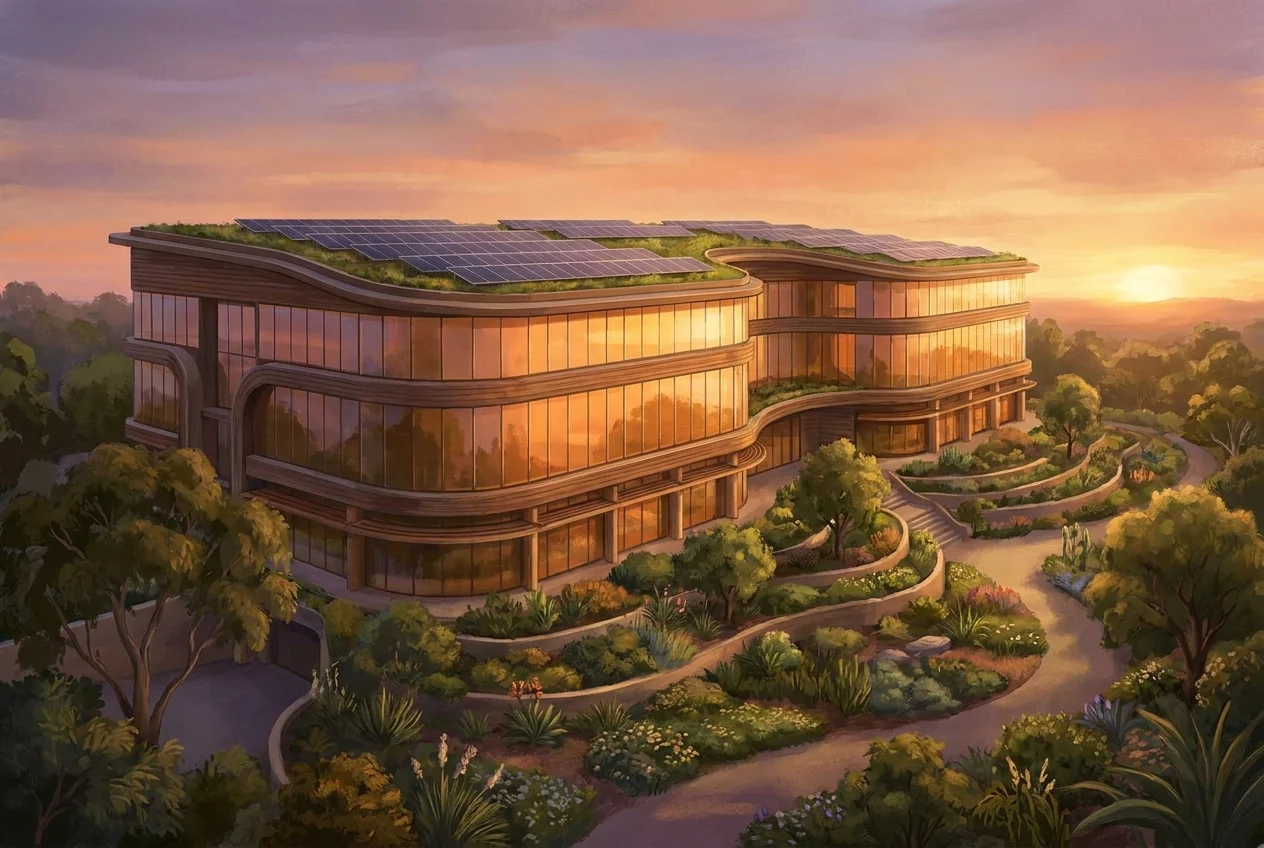
Moreover, window tinting can enhance the effectiveness of other energy-saving technologies. For instance, when used in conjunction with energy-efficient lighting and smart thermostats, window films can amplify overall energy savings, leading to a more sustainable and environmentally-friendly building.
Choosing the Right Window Tinting Solution
Selecting the appropriate window film is crucial for maximizing energy efficiency. Factors to consider include the building’s orientation, climate, and specific energy-saving goals. Consulting with a professional window tinting service can provide valuable insights and recommendations tailored to the building’s unique needs.
Installation quality is equally important. A poorly applied film can lead to bubbles, peeling, and reduced effectiveness. Therefore, choosing a reputable provider with experience in commercial installations is essential for ensuring long-term benefits.
The Future of Commercial Window Tinting
As the demand for energy-efficient solutions continues to grow, commercial window tinting is emerging as a vital component of sustainable building design. By reducing energy consumption, lowering utility costs, and contributing to a healthier indoor environment, window tinting offers a compelling value proposition for businesses of all sizes.
With advancements in window film technology, the potential for energy savings is only set to increase. As companies strive to enhance their sustainability profiles, commercial window tinting will undoubtedly play a crucial role in achieving these objectives.
In conclusion, commercial window tinting is much more than a cosmetic upgrade. It is a strategic investment in energy efficiency with tangible benefits for both the environment and the bottom line. By understanding the various types of films available and their impact on energy consumption, businesses can make informed decisions that drive long-term value and sustainability.
Innovations in Window Tinting Technology
Recent advancements in window tinting technology are opening new avenues for energy efficiency and sustainability. One notable innovation is the development of dynamic or smart window films. These films adjust their properties in response to external conditions such as sunlight intensity and temperature. By automatically darkening or lightening, smart films optimize energy consumption and improve indoor comfort throughout the day.
Another cutting-edge technology is the integration of photovoltaic cells into window films, allowing them to generate electricity from sunlight. While still in the experimental stages, this technology holds the potential to transform windows into energy-producing components of a building, further enhancing energy efficiency and sustainability.
Furthermore, the use of nanotechnology in window films is enhancing their performance. Nanoparticles can be embedded within the film to improve its heat-blocking capabilities and durability without compromising clarity. These innovations promise to expand the range of applications and effectiveness of window films in commercial settings.
Financial Incentives and Rebates for Window Tinting
Many governments and utility companies offer financial incentives and rebates to encourage the adoption of energy-efficient technologies, including window tinting. These incentives can significantly offset the initial cost of installation, making it a more attractive investment for businesses. For example, certain states in the U.S. provide tax credits for businesses that implement energy-saving measures, which can include window tinting.
Additionally, energy efficiency programs offered by utility companies may provide rebates based on the amount of energy saved by installing window films. These programs often require a professional energy audit to determine eligibility and the potential savings, providing businesses with a clear understanding of the financial benefits of window tinting.
Businesses interested in pursuing these incentives should research local and regional programs and consult with window tinting professionals who are familiar with the available options. By leveraging these financial incentives, companies can achieve a faster return on investment and enjoy ongoing energy savings.

Common Misconceptions About Window Tinting
Despite its benefits, commercial window tinting is sometimes misunderstood, leading to misconceptions that can deter businesses from considering it as a viable energy-saving solution. One common myth is that window tinting will make indoor spaces uncomfortably dark. However, modern window films are designed to maintain visibility and natural light, even while reducing glare and heat.
Another misconception is that window tinting is only beneficial in hot climates. While it is true that window films can significantly reduce cooling costs in warm regions, they also offer advantages in cooler climates by reducing heat loss and improving insulation. This versatility makes window tinting a valuable investment for buildings in diverse environments.
Lastly, some may believe that window tinting is purely a cosmetic upgrade with no real impact on energy efficiency. As we’ve explored, the opposite is true; window films provide measurable energy savings and contribute to a building’s overall efficiency and comfort.
Assessing the Long-Term Benefits of Window Tinting
When evaluating the potential benefits of commercial window tinting, it is essential to consider both immediate and long-term impacts. In the short term, businesses can expect reduced energy bills and improved indoor comfort levels. Over time, the cumulative savings on energy costs can be substantial, providing a strong return on investment.
Additionally, window tinting contributes to the longevity of interior furnishings by protecting them from UV radiation, which can cause fading and deterioration. This preservation of assets further enhances the value proposition of window tinting.
Another long-term benefit is the potential increase in property value. Energy-efficient buildings are increasingly attractive to buyers and tenants, and window tinting can enhance a property’s marketability by demonstrating a commitment to sustainability and modern technology.
Evaluating the Cost-Effectiveness of Window Tinting
Cost-effectiveness is a critical consideration for any energy efficiency upgrade. The initial investment in window tinting varies depending on factors such as the type of film, the size of the building, and the complexity of the installation. However, the energy savings achieved through reduced utility bills often result in a payback period of just a few years.
Moreover, the potential for additional savings through reduced maintenance and extended lifespan of HVAC systems further enhances the cost-effectiveness of window tinting. When combined with available financial incentives and rebates, the overall investment becomes even more attractive.
Businesses should conduct a thorough cost-benefit analysis to determine the financial viability of window tinting for their specific circumstances. Consulting with experienced professionals can provide valuable insights and accurate projections of potential savings.
Embracing a Sustainable Future with Window Tinting
As businesses strive to meet the challenges of a rapidly changing world, embracing sustainable practices is no longer optional—it’s imperative. Commercial window tinting offers a practical and effective solution for reducing energy consumption, lowering operational costs, and enhancing the comfort and productivity of building occupants.
By investing in window tinting, companies can demonstrate their commitment to environmental stewardship while reaping the financial rewards of energy efficiency. As technology continues to evolve, the potential applications and benefits of window tinting will only expand, making it a vital component of any sustainable business strategy.
In summary, commercial window tinting is a versatile, cost-effective, and environmentally friendly solution that contributes to a more sustainable future. By understanding its benefits and applications, businesses can make informed decisions that support both their bottom line and the planet.
Need help with Understanding the Role of Commercial Window Tinting in Energy Efficiency?