



Florida drivers often choose window tint for comfort, privacy, glare reduction, and protection from intense sun exposure. However, tint that looks great on a vehicle can still create legal problems if it does not meet the state’s visibility and reflectivity requirements.
For 2026, Florida window tint rules remain focused on how much visible light can pass through the glass and how reflective the film appears from the outside. Understanding these limits before installing or replacing tint can help drivers avoid citations, inspection issues, and unnecessary removal costs.
Why Florida Regulates Vehicle Window Tint
Florida’s window tint laws are designed to balance driver comfort with roadway safety and law enforcement visibility. Because the state has strong sunlight for much of the year, tint is extremely common on cars, trucks, SUVs, and vans. Legal limits allow drivers to reduce heat and glare while still maintaining enough visibility for safe driving.
The key safety concern is visibility. Very dark tint can make it harder for drivers to see pedestrians, cyclists, lane markings, and other vehicles, especially at night or during heavy rain. It can also make it difficult for law enforcement officers to see inside a vehicle during a traffic stop, which is one reason front side window limits are stricter than many drivers expect.
Visible Light Transmission and Why It Matters
Most Florida tint rules are based on visible light transmission, commonly called VLT. This percentage measures how much visible light passes through the window and tint combined. A higher VLT number means the window is lighter, while a lower VLT number means the window is darker.
For example, a window with 70 percent VLT allows much more light through than a window with 15 percent VLT. When reviewing tint options, drivers should remember that the factory glass and the aftermarket film work together. A film labeled with a certain VLT may produce a darker final result once installed on glass that already has some tint from the manufacturer.
Florida Legal Tint Limits by Window Location
Florida law sets different tint limits depending on where the window is located on the vehicle. The windshield, front side windows, rear side windows, and rear window are not treated the same because each one affects visibility in a different way.

In general, the front windows must allow more light through than the rear windows. This approach gives drivers some flexibility for privacy and heat control in the back of the vehicle while keeping the driver’s forward and side visibility clearer.
Windshield Tint Rules
Florida allows non-reflective tint along the top portion of the windshield above the manufacturer’s AS-1 line. If there is no visible AS-1 marking, drivers should be cautious and confirm the appropriate placement before adding windshield tint.
The windshield is the most important glass area for forward visibility, so full windshield tinting is heavily restricted. A tinted strip at the top can help reduce glare from direct sunlight, but tint that extends too far down the windshield may be considered illegal.
Front Side Window Requirements
For most passenger vehicles in Florida, front side windows must allow more than 28 percent of visible light to pass through. This means the final combined darkness of the glass and film must stay within the legal range, not just the film by itself.
Front side window compliance is especially important because these windows are commonly checked during traffic stops. If the tint appears too dark, an officer may use a tint meter to measure the VLT and determine whether the vehicle meets Florida requirements.
Rear Side Window Requirements
Florida gives drivers more flexibility on rear side windows, but the exact legal limit depends on the type of vehicle. For sedans and other passenger cars, rear side windows must allow more than 15 percent of visible light to pass through. This allows a darker appearance than the front side windows while still keeping the vehicle within the legal range.
For multipurpose passenger vehicles, such as many SUVs, vans, and trucks, rear side windows may be darker. These vehicles generally must allow more than 6 percent of visible light through the rear side windows. This difference is important because many larger vehicles come from the factory with darker rear privacy glass, and Florida law recognizes a different standard for those vehicle categories.
Drivers should not assume that any SUV or truck can use extremely dark tint on the rear windows. The final VLT still matters, and the vehicle classification can affect which limit applies. If there is any uncertainty, the safest approach is to ask the installer to confirm the legal category and measure the finished glass after installation.
Rear Window Requirements
The rear window follows the same general distinction between passenger cars and multipurpose vehicles. For passenger cars, the rear window must allow more than 15 percent VLT. For multipurpose passenger vehicles, the rear window must allow more than 6 percent VLT.
If the rear window is tinted, Florida drivers should also make sure the vehicle has properly functioning side mirrors. Rear visibility is an important safety factor, and darker rear glass can reduce the driver’s ability to see directly behind the vehicle, especially at night. Side mirrors help compensate for reduced rearward visibility and are commonly expected when the back window is tinted.
Florida Window Tint Reflectivity Limits
Florida law does not only regulate how dark window tint can be. It also limits how reflective the tint may be. Reflective tint can reduce heat by bouncing sunlight away from the vehicle, but overly mirror-like film may create glare for other drivers and attract enforcement attention.
For front side windows, tint may not be more than 25 percent reflective. For rear side windows, tint may not be more than 35 percent reflective. These limits apply to the appearance and performance of the film, not simply the darkness level.
This means a tint can be light enough in terms of VLT but still create a problem if it is too reflective. Metallic or mirrored films are more likely to raise reflectivity concerns than many carbon or ceramic films. Drivers who want strong heat rejection without a shiny appearance often choose high quality ceramic tint because it can block heat and ultraviolet rays while maintaining a more neutral look.

Passenger Cars Compared With SUVs, Vans, and Trucks
One of the most common sources of confusion in Florida tint law is the difference between passenger cars and multipurpose passenger vehicles. A sedan is usually subject to the passenger car limits, while many SUVs, vans, and pickup trucks may qualify under the multipurpose vehicle standards.
For a typical passenger car, the main legal limits are more than 28 percent VLT on the front side windows and more than 15 percent VLT on the rear side windows and rear window.
For example, a sedan with 5 percent tint on the rear doors would generally be too dark under Florida’s passenger car rules. However, a qualifying SUV with rear windows measuring above 6 percent VLT may fall within the legal limit for those rear glass areas.
Factory Privacy Glass and Aftermarket Tint
Many newer vehicles, especially SUVs and trucks, come with factory privacy glass on the rear windows. This glass is often darker than clear glass before any aftermarket film is installed.
For example, if factory privacy glass already allows only 20 percent of visible light through, adding a 35 percent tint film will not result in a final 35 percent VLT.
Drivers should be especially careful when matching front windows to darker factory rear glass. A common request is to make the front side windows match the rear privacy glass, but that match may be illegal if it causes the front windows to fall below Florida’s required VLT.
Medical Exemptions for Window Tint in Florida
Florida allows medical exemptions for certain drivers or passengers who need additional protection from sunlight due to a qualifying medical condition. These exemptions are not automatic.
Medical conditions that may support an exemption can include certain light sensitive disorders, severe sun sensitivity, lupus, melanoma risk, or other conditions where sun exposure creates a documented health concern.
Drivers with a medical exemption should keep the required documentation in the vehicle. If stopped by law enforcement, having proof available can help explain why the vehicle has tint that would otherwise appear to be outside standard limits.
Florida Tint Certificates and Label Requirements
Florida requires window tint manufacturers to certify the films they sell in the state. This helps ensure that tint products meet state standards for light transmission and reflectivity when properly installed.
Vehicles with aftermarket tint should also have a label or sticker that identifies legal tinting. In Florida, the sticker is typically placed inside the driver’s side door jamb.
Even with a sticker, the actual measured VLT still matters. A label does not protect a driver if the final window measurement is too dark.
How Florida Tint Is Measured
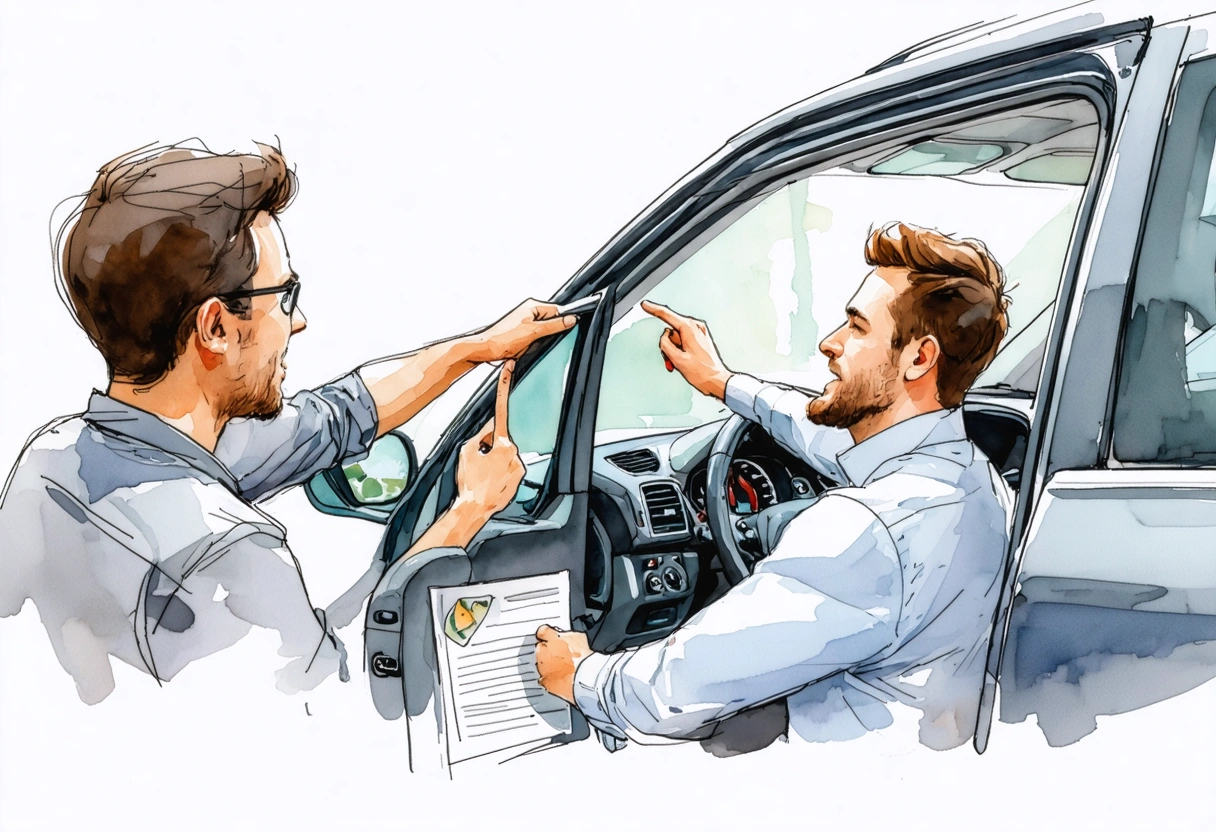
Law enforcement officers may use a tint meter to measure how much visible light passes through a window. The meter is placed on the glass and provides a VLT reading.
Measurements can vary slightly depending on the meter, glass condition, and installation quality, so it is smart to leave a margin of safety. For example, choosing a film that barely meets the legal limit on paper may create a problem once it is installed over factory glass.
A reputable tint shop should be able to explain the expected final VLT and may be able to test the glass before and after installation.
Penalties for Illegal Window Tint in Florida
Illegal window tint can lead to a traffic citation in Florida. The exact consequences may depend on the circumstances, the county, and whether the driver has prior violations.
Multiple illegally tinted windows may create multiple violations, which can increase the total cost. Drivers should also consider the cost of removing noncompliant film and paying for a legal replacement.
If a vehicle is purchased used with dark tint already installed, the new owner is still responsible for making sure it meets Florida law. “It was already like that” is unlikely to prevent a citation if the tint measures outside the legal limit.
Need help with Florida Window Tint Laws Explained: What Drivers Need to Know in 2026?