


Selecting an auto window tint shade is about more than picking the darkest film available. The right shade affects visibility, comfort, privacy, heat reduction, glare control, and the overall appearance of your vehicle. A tint that looks great on one car may not be practical, legal, or comfortable on another.
Before choosing a shade, it helps to understand how tint percentages work, what different levels of darkness actually do, and how your daily driving habits should influence the decision. A well-chosen window tint can improve your driving experience while keeping your vehicle compliant and functional.
Understanding Tint Percentages and Visible Light Transmission
Auto window tint shade is usually described by its visible light transmission, commonly called VLT. This percentage tells you how much visible light can pass through the window film and glass. A higher VLT means the tint is lighter, while a lower VLT means the tint is darker. For example, a 70 percent tint allows more light through than a 20 percent tint.
This is one of the most important details to understand because many drivers assume the percentage refers to how much light is blocked. In reality, it refers to how much light is allowed through. A 5 percent tint is very dark because only 5 percent of visible light passes through, while a 50 percent tint is much lighter and offers a more subtle appearance.
Common Auto Tint Shade Levels
Although available options vary by film brand and installer, several tint shade ranges are commonly used for vehicles. Lighter shades, such as 70 percent or 50 percent, are often chosen for a clean factory-style look, improved UV protection, and reduced heat without dramatically changing visibility. These shades are popular for windshields, front side windows in strict legal areas, and drivers who prefer a more natural view.
Mid-range shades, such as 35 percent or 30 percent, provide a noticeable tinted appearance while still allowing a good amount of light into the vehicle. Darker shades, such as 20 percent or 15 percent, increase privacy and glare reduction but may reduce nighttime visibility. Very dark options, such as 5 percent, are commonly called limo tint and are usually best suited for specific rear-window applications where legal and practical.
Match the Shade to Your Comfort, Privacy, and Visibility Needs
The best tint shade for your vehicle should fit the way you actually drive. If you spend a lot of time commuting during bright daytime hours, a medium or darker shade may help reduce eye strain and cabin glare. If you often drive at night, in rain, or in poorly lit areas, a lighter shade may be a safer and more comfortable choice because it preserves more outward visibility.
Privacy is another major factor. Darker window tint makes it harder for people outside the vehicle to see inside, which can help protect personal belongings from view and create a more private cabin feel. However, privacy should be balanced with safety. If the tint is too dark for your driving environment, it can make lane changes, parking, and nighttime driving more difficult.
Consider Front, Rear, and Back Windows Separately
Not every window on your vehicle needs to use the same tint shade. Many drivers choose a lighter shade for the front side windows and a darker shade for the rear side windows and back glass. This approach can provide better visibility for the driver while still improving privacy and comfort for passengers in the back.
The windshield is a separate consideration. Full windshield tint is often limited by law, but many vehicles can use a clear or very light ceramic film to reduce heat and UV exposure without significantly darkening the glass. Some drivers also use a tinted windshield strip at the top of the glass to reduce sun glare, depending on local regulations.
Know Your Local Tint Laws Before Choosing a Shade
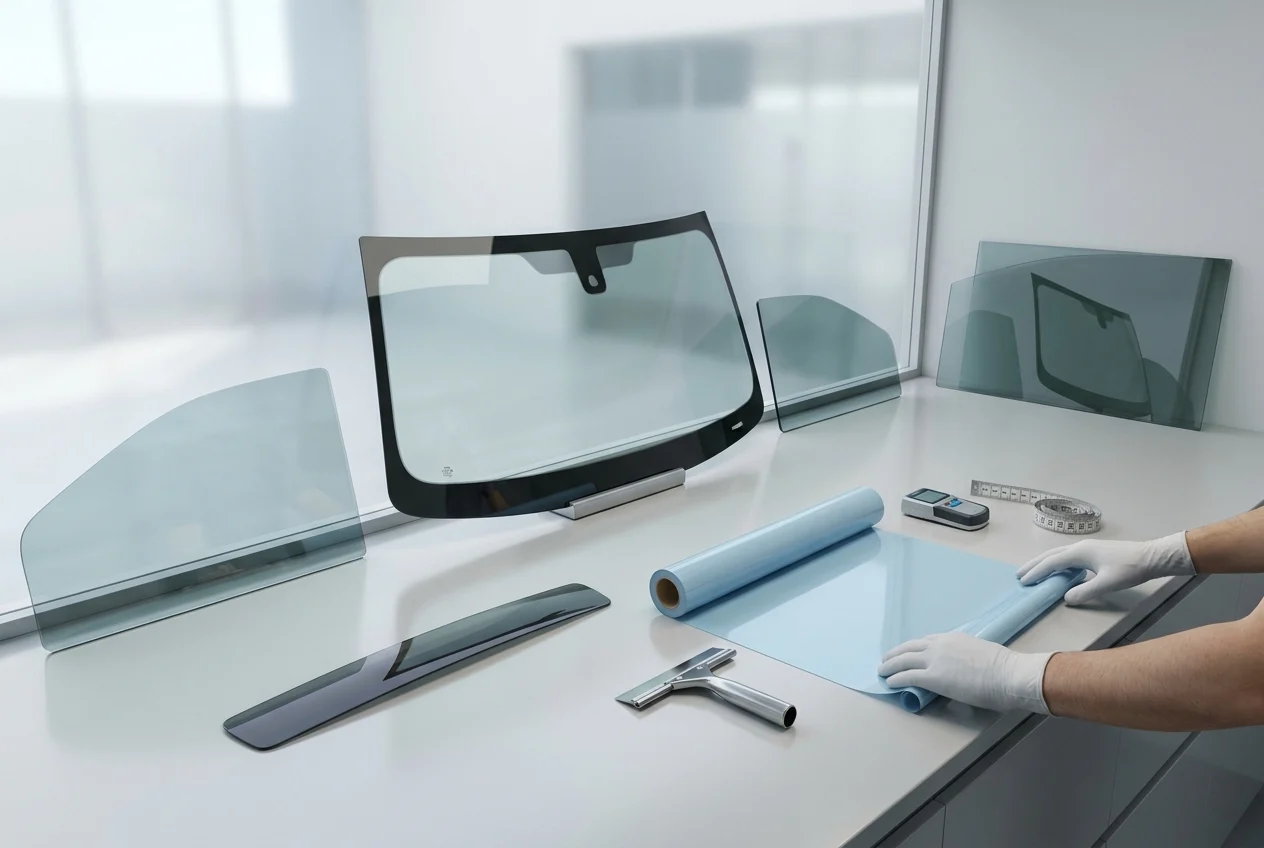
Window tint laws vary widely by state, province, and sometimes vehicle type. The legal shade for a sedan may differ from the legal shade for an SUV, van, or truck. Regulations often specify the minimum VLT allowed on front side windows, rear side windows, back glass, and the windshield. Because these rules are based on the combined darkness of the glass and film, factory-tinted glass can affect the final legal measurement.
This detail matters because many vehicles already come with a slight tint in the glass from the factory. If your front windows already measure around 75 percent VLT and you add a 35 percent film, the final reading may be darker than expected. A professional installer can usually measure your existing glass and help you choose a film that gives you the appearance and performance you want without crossing legal limits.
Legal compliance is not just about avoiding a ticket. It can affect vehicle inspections, insurance concerns, and safety during traffic stops. In some regions, medical exemptions may be available for drivers who need additional sun protection, but these exemptions typically require documentation and must be handled carefully. Before choosing a dark tint shade, verify the rules in your area and consider how often you drive across state or regional borders.
Factor in Heat Rejection, UV Protection, and Film Technology
Many drivers assume darker tint automatically means better heat rejection, but that is not always true. The shade affects visible light, while heat rejection depends heavily on the film technology. A high-quality ceramic film in a lighter shade can sometimes reject more infrared heat than a basic dyed film in a much darker shade. This is why shade should be considered along with material, not by itself.
UV protection is another important factor. Quality automotive tint can block up to 99 percent of harmful ultraviolet rays, helping protect your skin and slowing interior fading. Seats, dashboards, trim, and electronics can all suffer from long-term sun exposure. A lighter film with strong UV protection may be ideal for drivers who want protection without a noticeably dark appearance.
Dyed, Carbon, and Ceramic Films Affect Shade Performance
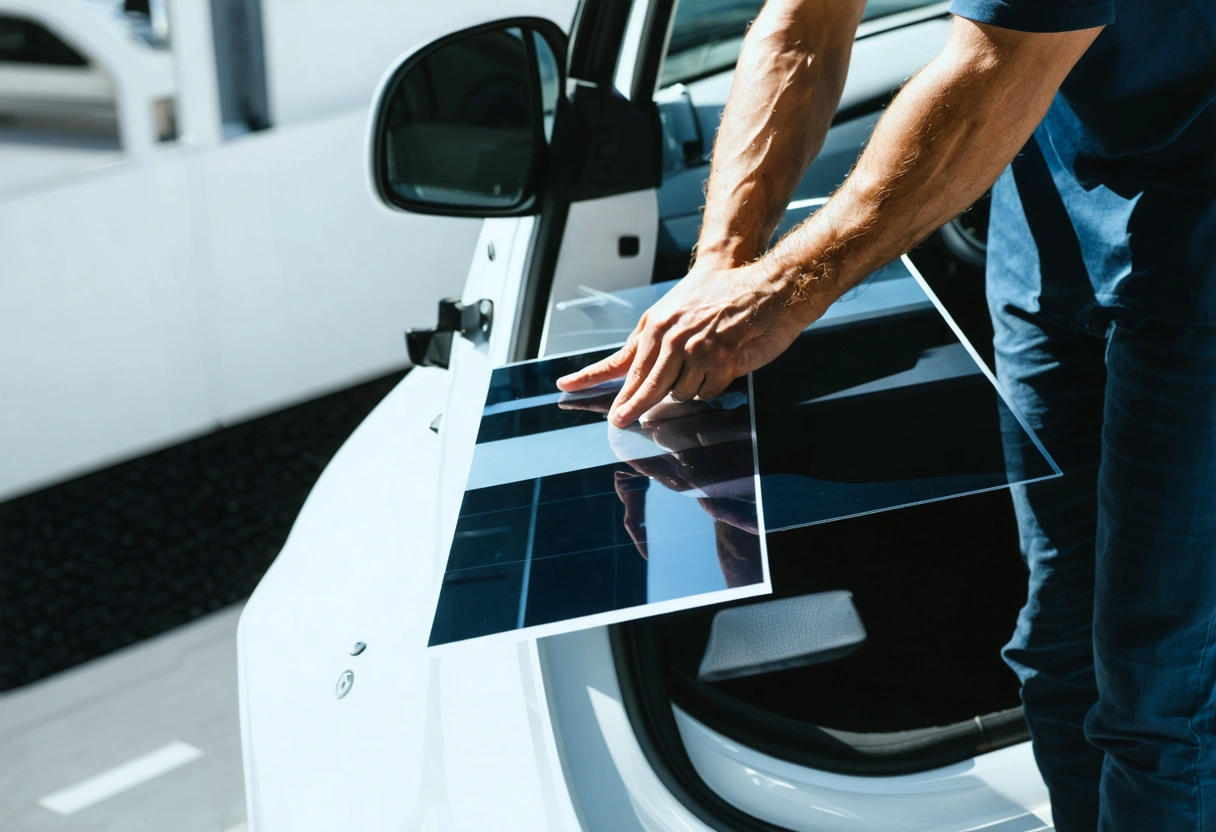
Dyed window film is often the most budget-friendly option and can provide a clean, dark appearance. However, it typically offers less heat rejection than more advanced films and may be more prone to fading over time. If your main goal is style and basic glare reduction, dyed film may be adequate, but it is not always the best choice for hot climates or long-term performance.
Carbon film offers better durability and improved heat control compared with many dyed films. It tends to have a rich, matte appearance that works well on many vehicle colors. Ceramic film is usually the premium choice, offering excellent infrared heat rejection, UV protection, and clarity without interfering with electronic signals. This can be especially valuable for vehicles with GPS, mobile devices, keyless entry systems, and advanced driver assistance features.
Think About Your Vehicle Color, Interior, and Overall Style
The same tint shade can look very different depending on the vehicle. A 35 percent tint on a white sedan may appear more noticeable than the same shade on a black SUV. Body color, glass size, interior color, and even roof height all influence how dark the tint looks from the outside. Vehicles with black interiors often make tint appear darker because less light reflects back through the windows.
If you want a subtle, refined appearance, lighter shades such as 50 percent or 35 percent often complement luxury vehicles, daily commuters, and cars where a factory-clean look is preferred. If you want a bolder, more private appearance, 20 percent on the rear windows may create a stronger visual impact. The goal is to choose a shade that looks intentional rather than excessive.
It is also helpful to consider how the tint will age with the vehicle. Extremely dark tint can look aggressive and stylish at first, but it may not suit every professional setting, resale audience, or long-term use case. A balanced shade often provides the best combination of style, practicality, and broad appeal. If you plan to sell or trade the vehicle later, a legal, moderate tint may be more attractive to future buyers.
Evaluate Driving Conditions and Safety in Real Life
Your daily environment should strongly influence your tint shade selection. A driver in a sunny desert climate may prioritize glare reduction and heat control more than someone in a cloudy northern region. If your roads are often wet, dark, or poorly lit, an overly dark shade can create challenges, especially when checking mirrors, backing out of driveways, or watching for pedestrians and cyclists.
Nighttime visibility is one of the most overlooked factors in window tinting. A shade that feels comfortable at noon may feel too dark on an unlit road at midnight. This is especially true for drivers with reduced night vision or vehicles with small side mirrors, thick pillars, or limited rear visibility.
Special Considerations for Families and Passengers
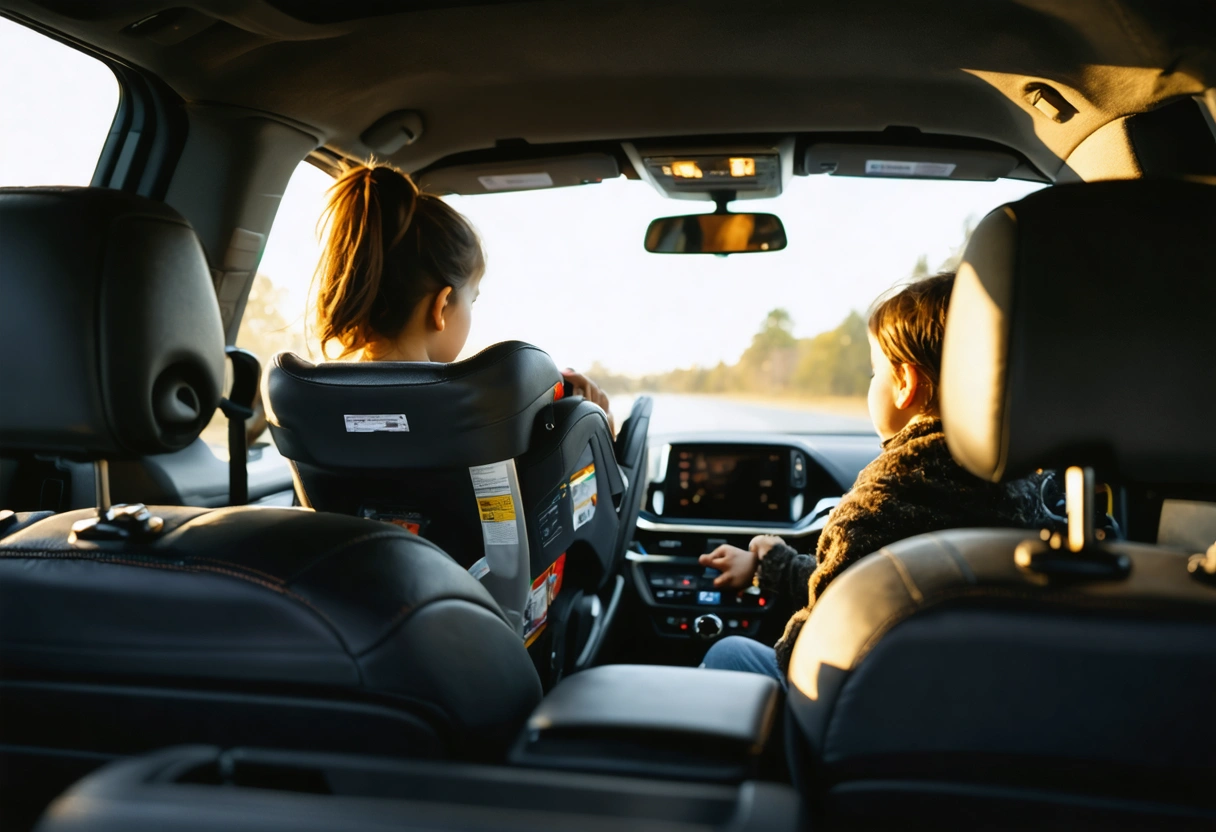
Families often choose darker rear tint to make the cabin more comfortable for children and passengers. Reduced glare can make road trips easier, protect young passengers from harsh sunlight, and help maintain a cooler rear seating area.
Pet owners may also benefit from thoughtful tint selection. While tint does not replace proper ventilation or safe temperature management, it can help reduce direct sun exposure inside the cabin.
Ask to See Samples Before Making a Final Decision
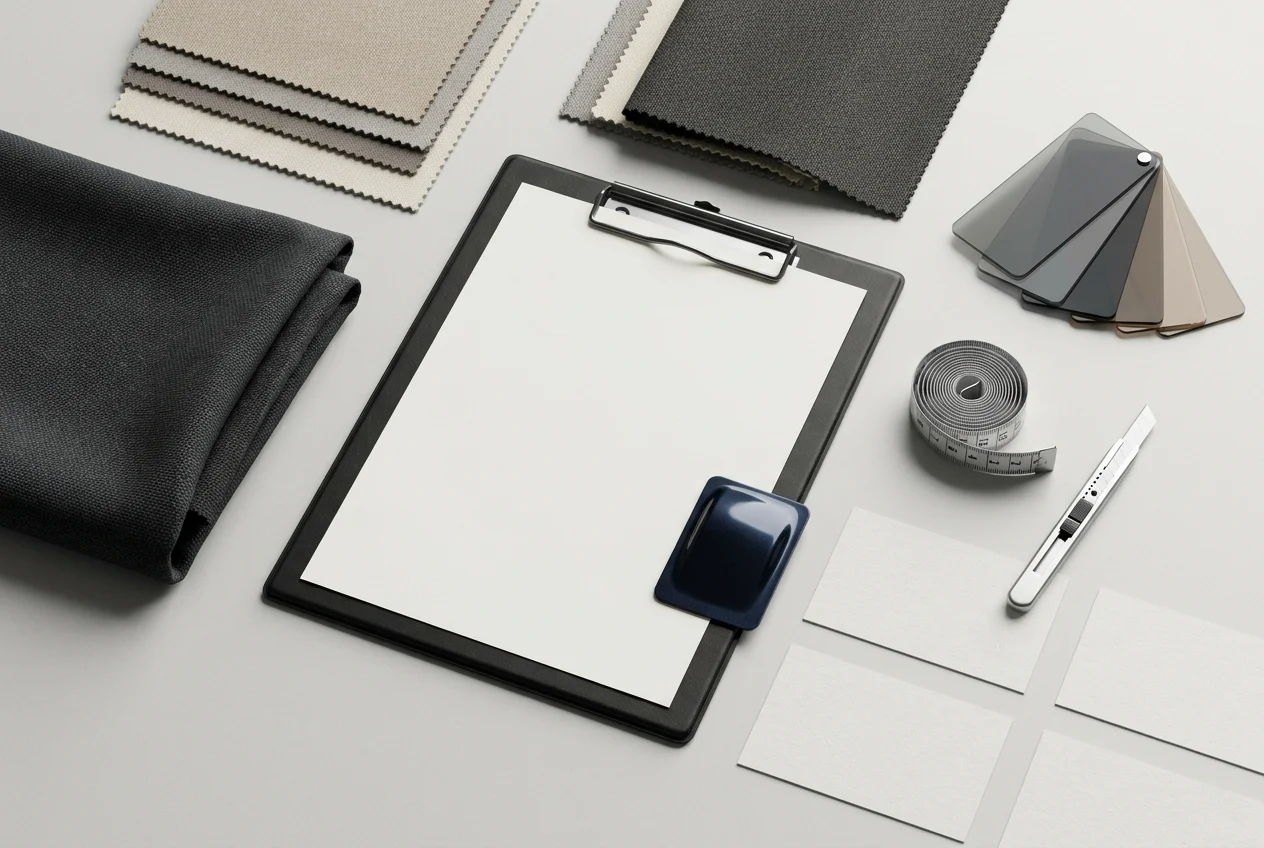
One of the best ways to choose a tint shade is to view actual samples on glass. A small swatch held in your hand may not accurately represent how the film will look once installed across an entire vehicle.
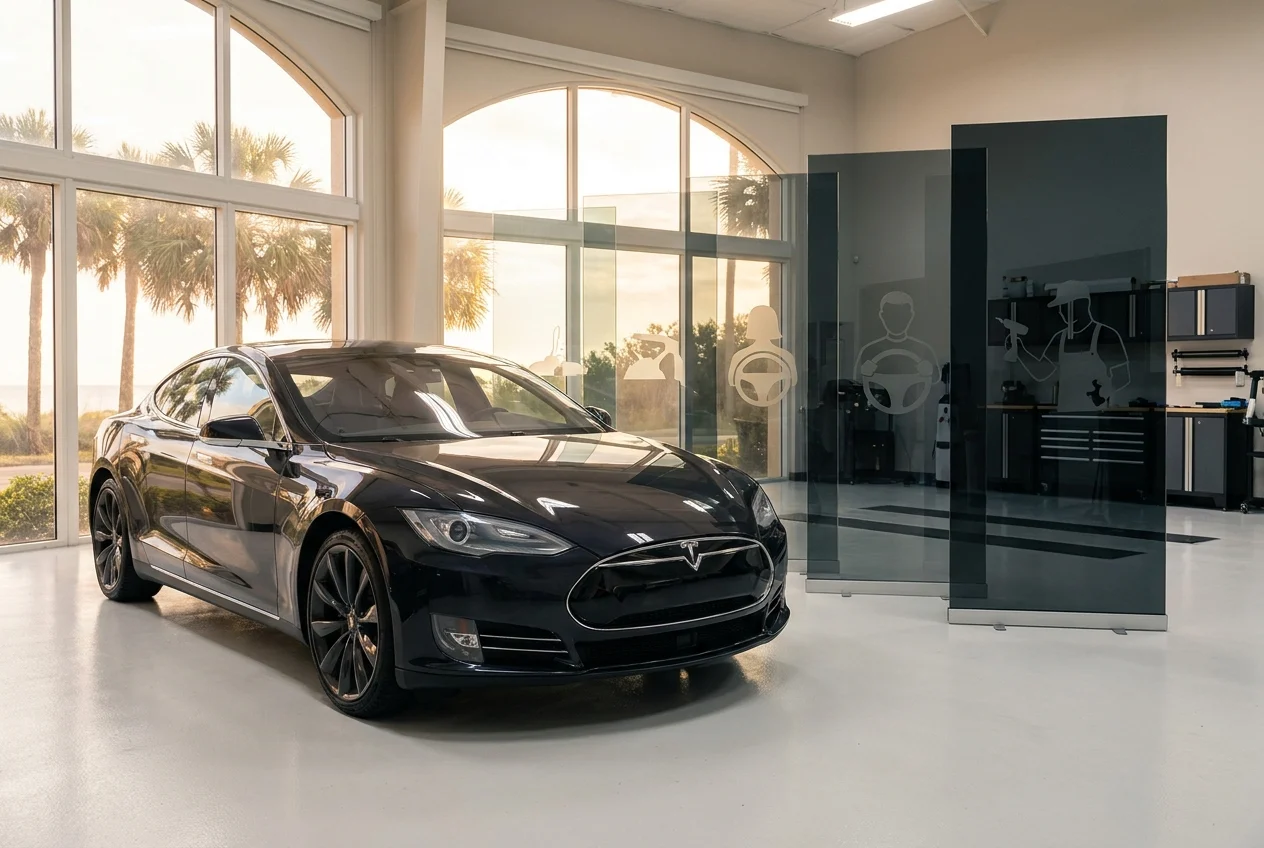
When reviewing samples, look from both inside and outside the vehicle. Pay attention to daylight visibility, reflections, color tone, and clarity. Some films have a neutral charcoal appearance, while others may look slightly bronze, blue, green, or reflective depending on the technology and glass type.
It is also smart to ask how the film performs beyond appearance. Compare infrared rejection, total solar energy rejection, UV protection, warranty coverage, and expected lifespan.
Work With a Skilled Installer for the Best Results
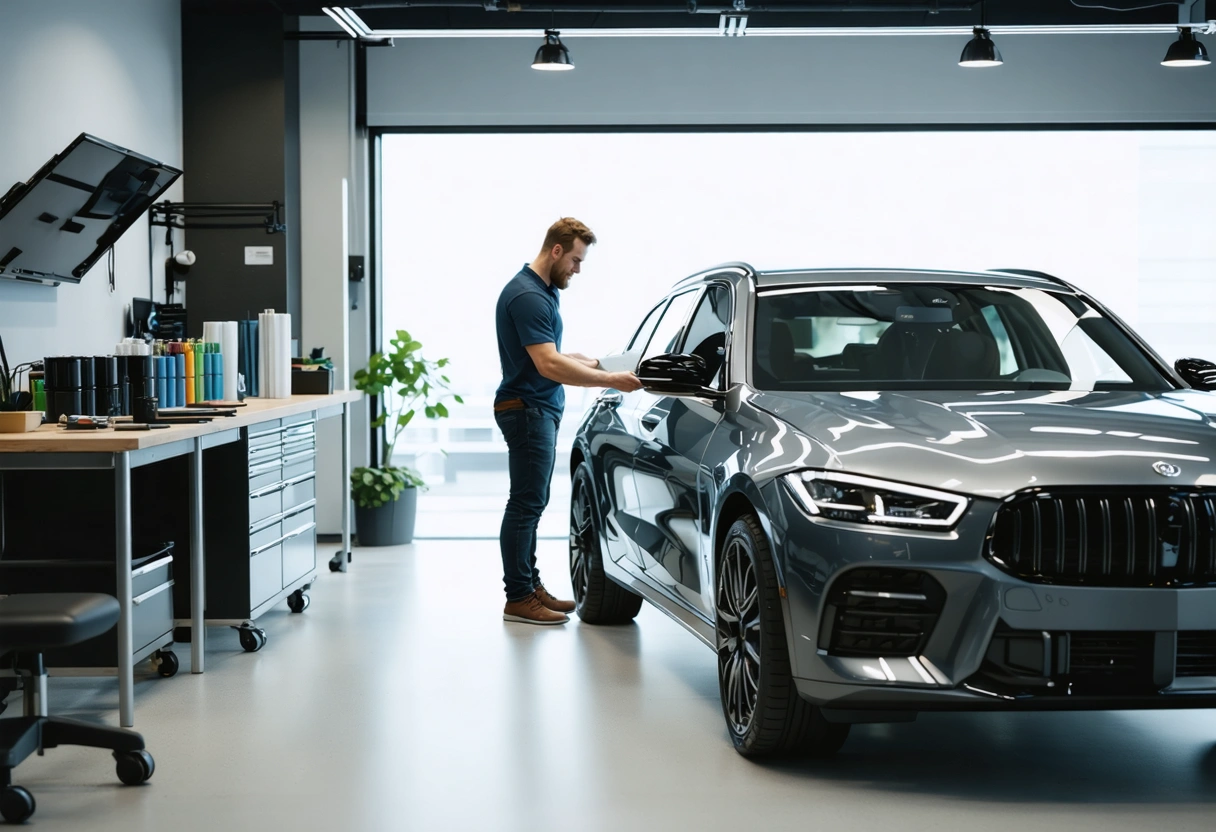
Even the perfect tint shade can disappoint if the installation is poor. Clean edges, smooth application, proper shrinking, and careful trimming make a major difference in both appearance and durability.
A skilled installer can also help you avoid shade mistakes. They understand local laws, factory glass variation
Need help with How to Choose the Right Auto Window Tint Shade for Your Vehicle?