




Florida sunshine makes window tint feel less like a luxury and more like everyday comfort. Tint can reduce glare, help manage heat, protect interiors from ultraviolet exposure, and add privacy, but it also sits inside a very specific set of state rules that many drivers misunderstand.
Because window tint laws are often discussed through word of mouth, social media, dealership promises, and outdated charts, myths spread quickly. The result is that otherwise careful vehicle owners may buy film that looks legal, drive across county lines assuming enforcement is the same everywhere, or believe a medical condition automatically gives them an exemption. The reality is more detailed, and understanding those details can save money, frustration, and safety issues on the road.
Why Florida Tint Rules Are More Precise Than Most Drivers Realize
The biggest misunderstanding about Florida window tint laws is that they are based on appearance alone. Many people assume an officer looks at a window, decides whether it is too dark, and writes a citation if it “seems” illegal. In practice, Florida law is built around measurable standards, especially visible light transmittance, commonly called VLT. VLT is the percentage of visible light that can pass through the glass and film together.
This distinction matters because tint percentages advertised by film shops usually describe the film by itself, not the final window after installation. Factory glass may already have a slight shade, which means a 30 percent film applied over glass that is not perfectly clear can produce a combined VLT lower than 30 percent. A driver who buys what sounds like a compliant film may still end up with an illegal result once the film is installed on the vehicle.
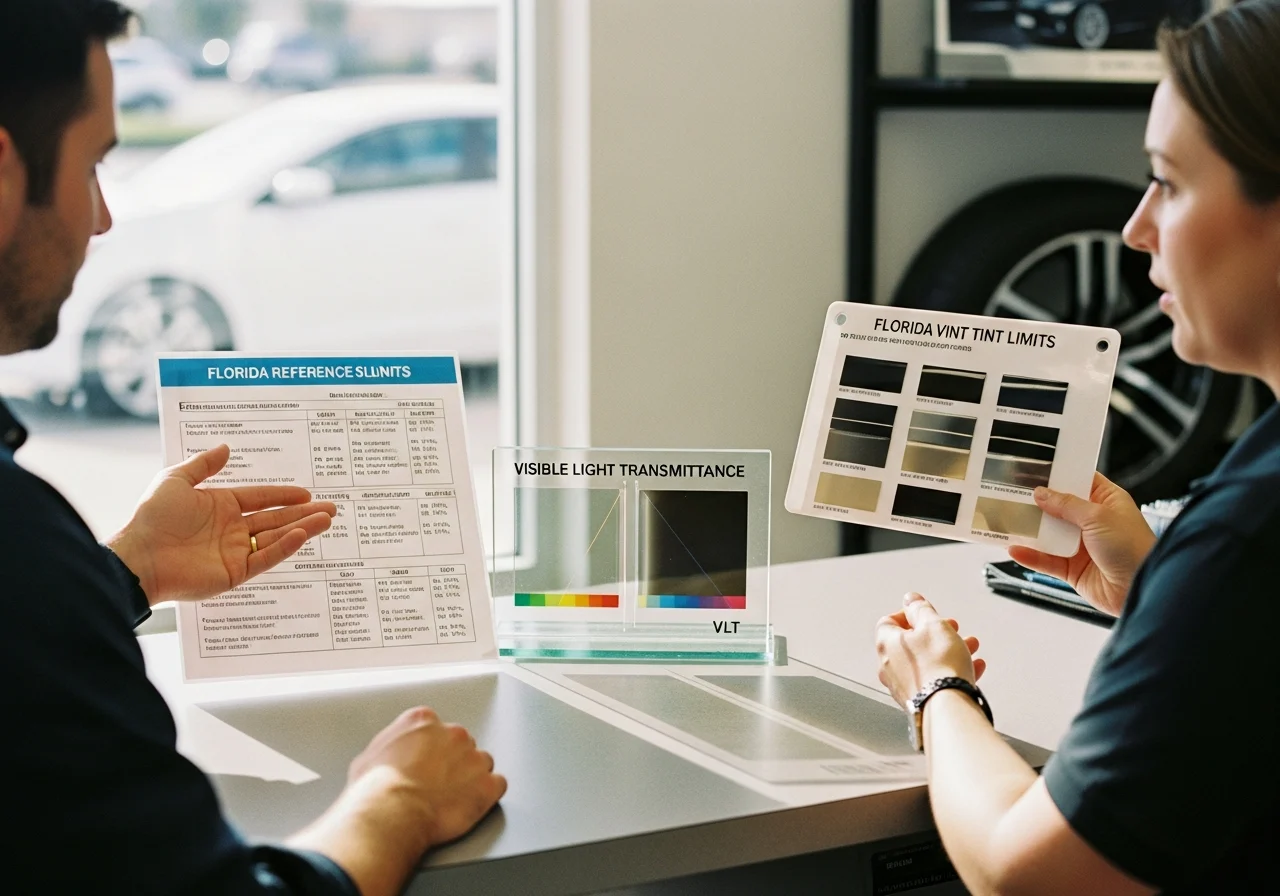
Florida also regulates reflectivity, windshield tint placement, and different windows differently. That is where many myths begin. Drivers hear one number, such as “28 percent,” and apply it to every window. Others see dark factory tint on SUVs and assume the same darkness is legal on a sedan. In Florida, the legal limits depend on the window location and, in some cases, the vehicle type.
Misconception 1: Any Tint Sold by a Shop Must Be Legal
One of the most common assumptions is that if a tint shop offers a product, it must be legal for every vehicle in Florida. That is not always true. Tint shops may sell film for many purposes, including off-road vehicles, show cars, out-of-state customers, rear windows on certain vehicle types, or customers who have valid medical exemptions. The fact that a film exists on a display board does not mean it is legal on your front side windows.
Responsible installers usually explain legal limits and may refuse clearly unlawful installations. However, the responsibility for operating a compliant vehicle ultimately rests heavily on the driver and vehicle owner. If you are stopped and your windows test below the legal limit, “the shop said it was okay” may not prevent a citation. It also may not help during a vehicle inspection, traffic crash investigation, or insurance dispute.
Before installation, ask the shop for the expected combined VLT after the film is applied to your vehicle’s specific glass. A professional installer should understand the difference between film rating and final measured VLT. It is also wise to keep your invoice, product information, and any manufacturer documentation in the glove compartment. Those documents are not a substitute for compliance, but they can help clarify what was installed.
Misconception 2: The Same Darkness Is Legal on Every Window
Florida law does not treat every window the same. Front side windows are subject to a different limit than rear side windows and the rear windshield. For many drivers, the front side windows are the area where mistakes happen most often because they are highly visible to law enforcement and directly affect the driver’s ability to see pedestrians, cyclists, and other vehicles.
Under the Florida statute governing side windows beside the driver, the law focuses on a minimum light transmittance requirement, and drivers should review the specific language of Florida Statute 316.2953 when confirming current requirements. In general terms, front side windows must allow more light through than many popular dark films provide.
Rear windows have their own rules, and those rules can vary depending on whether the vehicle is a passenger car or a multipurpose passenger vehicle such as many SUVs, vans, and pickup trucks. This is why a dark rear cargo area on an SUV may be lawful even though the same look on the rear windows of a sedan may not be. A person who compares two vehicles in a parking lot may miss this legal distinction entirely.
A practical example helps. Suppose a sedan owner sees an SUV with very dark rear side windows and asks for “the same tint all around.” If the installer applies that darkness to the sedan’s rear windows, the sedan may fall outside the legal limit. If the same darkness is applied to the front side windows, the problem becomes even more obvious. Window location and vehicle classification both matter.
Misconception 3: Factory Privacy Glass and Aftermarket Tint Are Treated the Same Way
Factory privacy glass is often confused with aftermarket tint, but they are not identical. Factory privacy glass is typically dyed or manufactured into the glass itself, commonly on rear windows of SUVs, trucks, and vans. It usually does not provide the same heat rejection characteristics as quality aftermarket film, and it may have different optical properties. Aftermarket film is a separate layer installed onto existing glass.
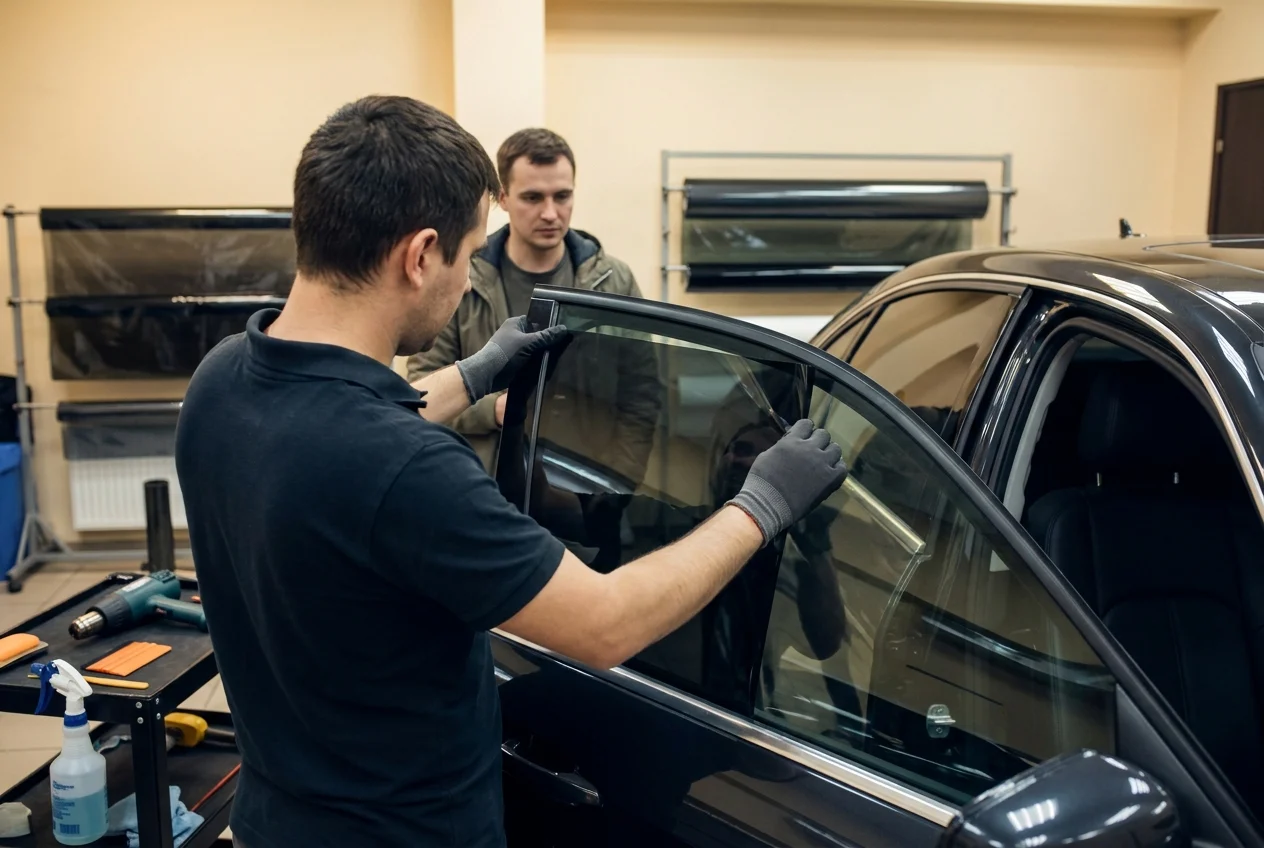
From a compliance perspective, what matters most is the total amount of light passing through the window after everything is combined. If a vehicle already has factory privacy glass, adding aftermarket film can make the final VLT far darker than expected. A light film placed over dark factory glass may produce an overall result that looks sleek but measures below Florida’s allowable threshold for that window and vehicle type.
This is especially important for drivers who want ceramic tint for heat rejection. Ceramic films can offer impressive infrared heat reduction without requiring extreme darkness, but shoppers sometimes choose darker film because they associate darkness with performance. In Florida, a high-quality lighter film may be the smarter choice if the goal is comfort without pushing legal boundaries.
Misconception 4: Windshield Tint Is Legal as Long as You Can See Through It
Windshield tint is one of the most misunderstood parts of Florida tint law. Some drivers believe a lightly tinted full windshield is legal because it does not look as dark as side window tint. Others think clear ceramic film is automatically permitted because it appears nearly invisible. The issue is that windshield rules are not based only on darkness. Placement matters, and Florida restricts sunscreening material on the windshield except in specified areas.
Generally, non-reflective tint is allowed along the top portion of the windshield above the manufacturer’s AS-1 line. If there is no AS-1 line, the top portion is typically limited by a specific measurement. This upper strip can reduce glare from overhead sunlight while preserving visibility through the main windshield area. Full windshield tint, even when relatively light, can create legal problems if it does not fit within the permitted exception.
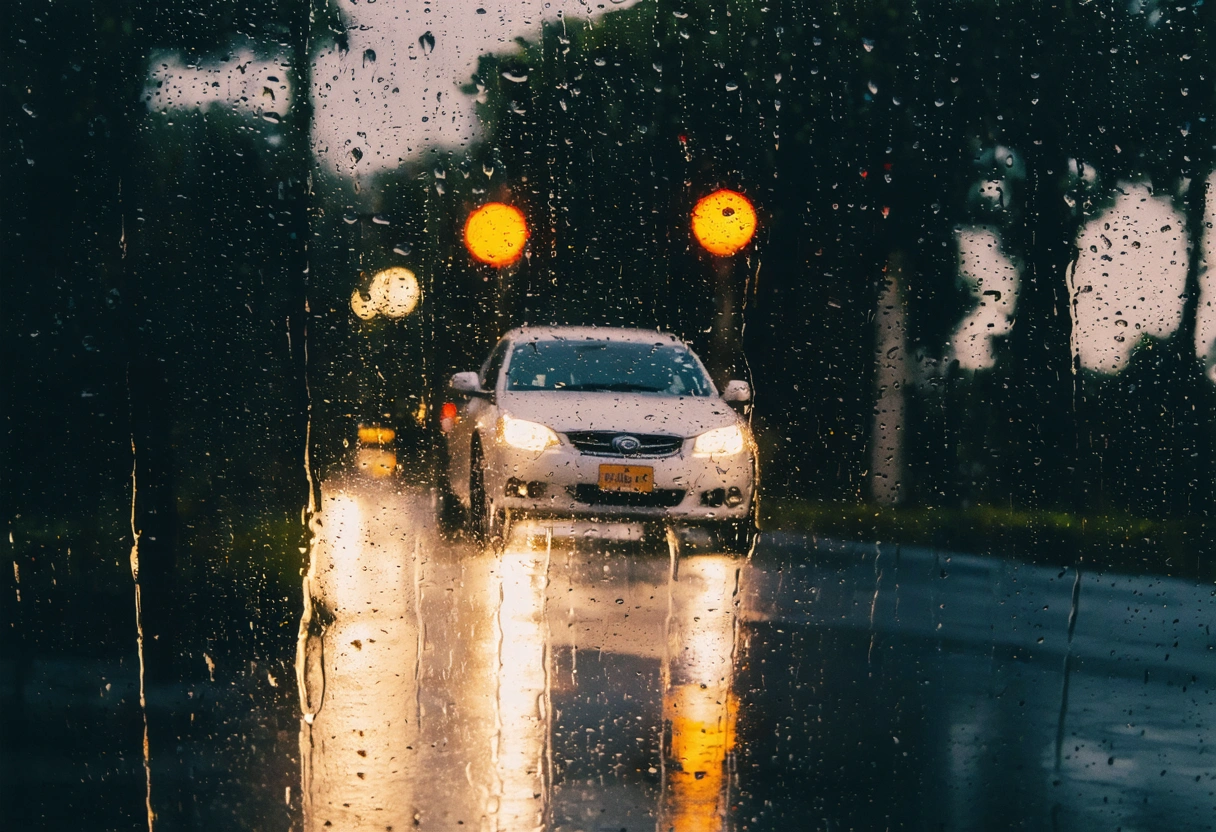
There are also safety reasons behind the rule. The windshield is the driver’s primary viewing area, and any reduction in clarity can matter at night, during heavy rain, or when dealing with pedestrians and cyclists in low-light conditions. Florida storms can appear suddenly, and tinted windshields may amplify visibility challenges when roads are wet and headlights reflect off the surface.
Misconception 5: Reflective Tint Is Just a Style Choice
Many drivers focus only on darkness and forget that Florida also regulates reflectivity. Reflective tint can look like a mirror from the outside and can reduce glare and heat, but excessive reflectivity can create hazards for other drivers, motorcyclists, cyclists, and pedestrians. Glare reflected from a window can be distracting, especially in bright sun or dense traffic.
Florida law includes limits on how reflective side windows can be. The rules are not simply a matter of personal taste. A tint that meets VLT
requirements may still violate the reflectivity provisions if it reflects too much light. Drivers can review the related standards for rear side and rear windows in Florida Statute 316.2954, which helps explain why both darkness and mirror-like appearance should be considered before installation.
A good rule of thumb is to avoid choosing film based only on a showroom sample. Tint can appear different once installed on curved automotive glass, viewed in full sun, or paired with a specific paint color and interior color. Ask the installer whether the film complies with Florida reflectance limits, not merely whether it is a popular shade.
Misconception 6: A Medical Need Automatically Makes Dark Tint Legal
Florida does allow certain medical exemptions for people with qualifying conditions, but the exemption process is not automatic. Having migraines, lupus, photosensitivity, or another light-sensitive condition does not by itself legalize darker tint. The driver must follow the proper state process and carry documentation as required.

The exemption exists because some individuals genuinely need additional protection from sunlight. Still, the state balances that need with traffic safety and law enforcement visibility. Drivers should verify the current procedure through official sources, including the Florida Highway Safety and Motor Vehicles guidance on window sunscreening medical exemptions, before assuming a doctor’s note is enough.
Legal Tint Starts With Accurate Information
Most Florida tint problems begin with simple misunderstandings: confusing film percentage with final VLT, applying SUV rules to sedans, overlooking windshield restrictions, or forgetting reflectivity limits. These details may seem technical, but they determine whether a vehicle is comfortable, safe, and compliant.
Before tinting, confirm the rules for your vehicle type, each window location, and the exact film being installed. Work with a knowledgeable installer, keep records, and avoid relying on parking lot comparisons or outdated advice. With the right information, Florida drivers can enjoy heat reduction, glare control, privacy, and UV protection while staying within the law.
Need help with Common Misconceptions About Window Tint Laws in Florida?