




Ceramic Coating vs. Traditional Wax: Which Offers Better Protection for Your Auto?
Maintaining the exterior of your vehicle not only enhances its aesthetic appeal but also preserves its value over time. Among the myriad of options available to protect your car’s paint, ceramic coating and traditional wax stand out as two of the most popular choices. Both these methods have their proponents and detractors, each claiming superiority. However, to make an informed decision, it’s crucial to understand the distinct features, benefits, and limitations of each method. This comprehensive guide delves into the intricacies of ceramic coating and traditional wax, and evaluates which might offer better protection for your automobile.
Understanding Ceramic Coating
Ceramic coating is a liquid polymer applied to the exterior of a vehicle. Once cured, it forms a semi-permanent bond with the car’s paint, creating a protective layer that enhances both aesthetic and functional aspects of the vehicle. This advanced coating technology originated in the automotive industry but has gained significant popularity in recent years due to its durability and effectiveness.
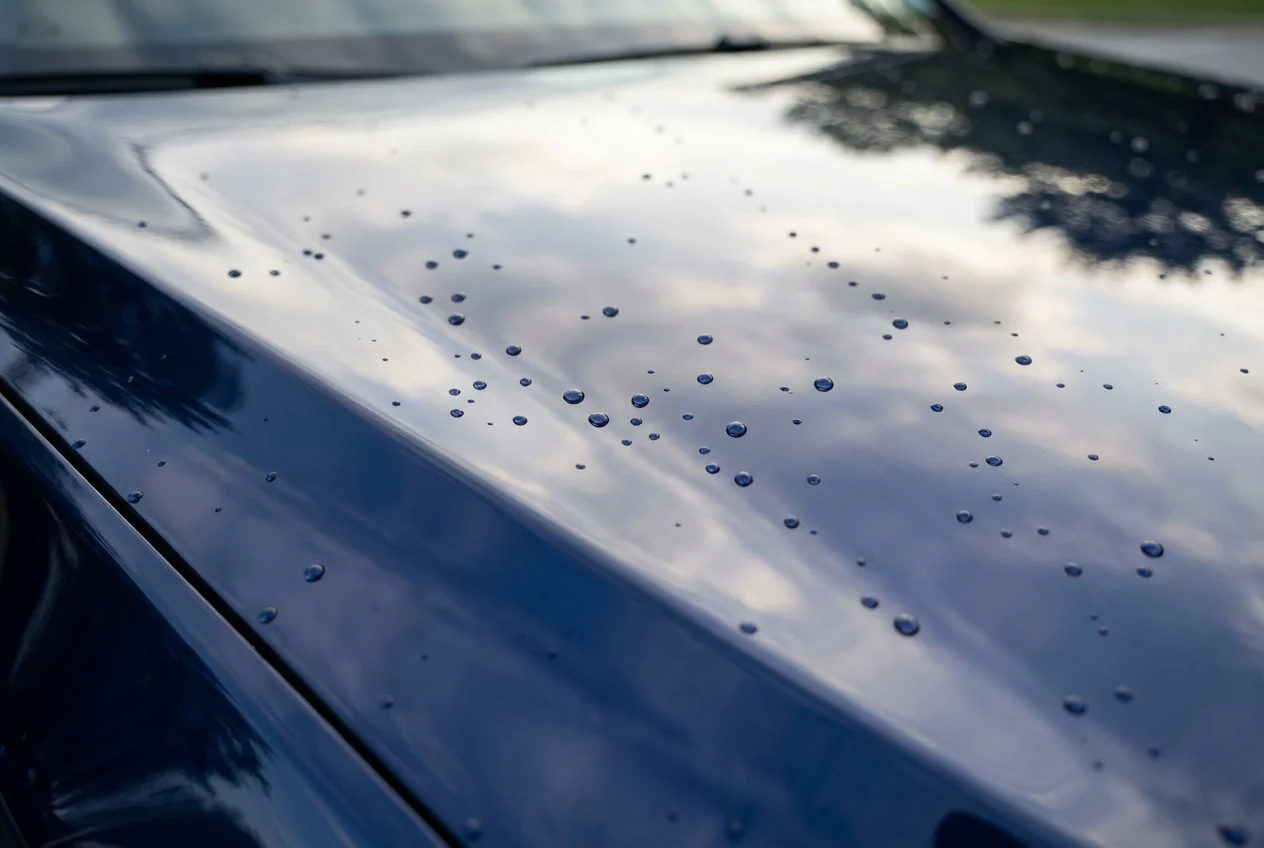
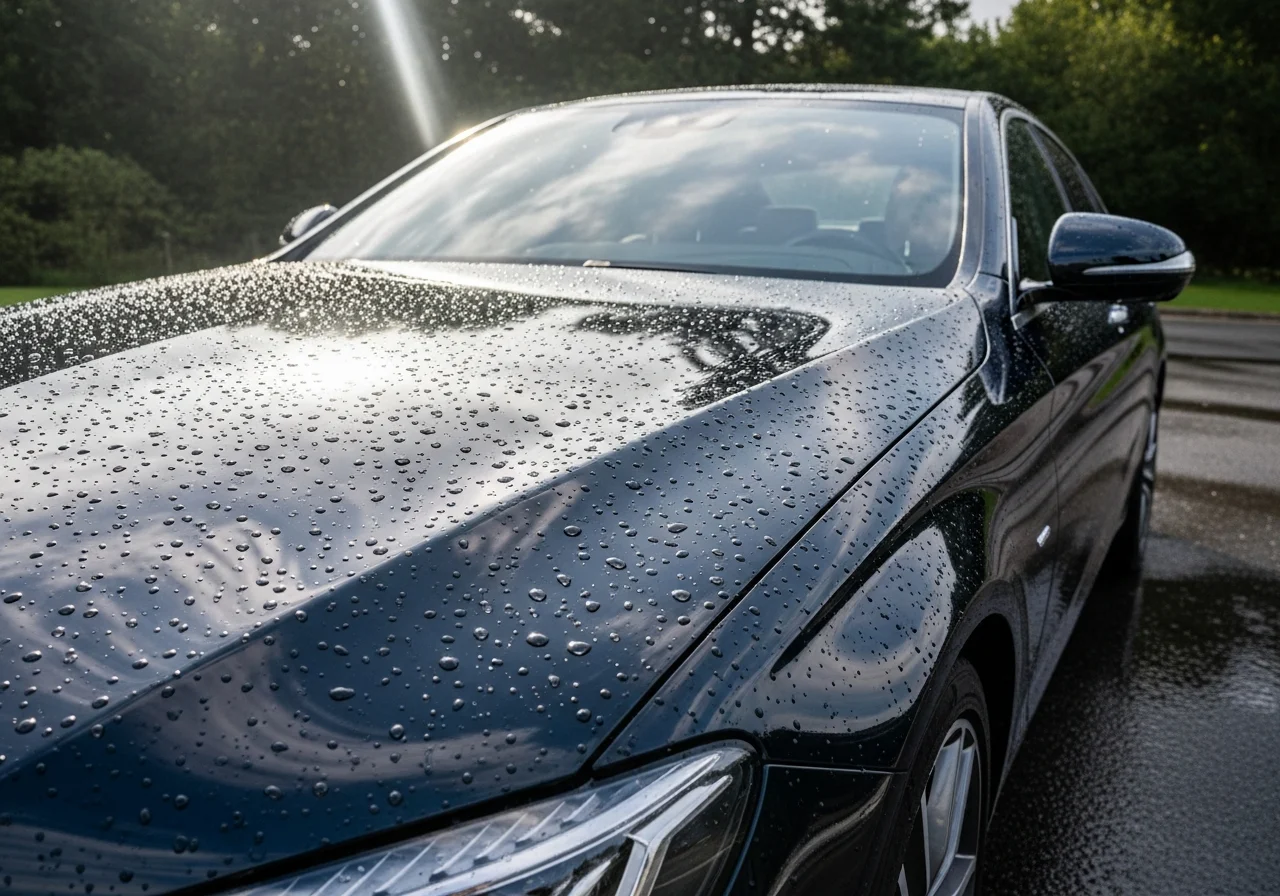
The primary advantage of ceramic coating is its ability to offer long-lasting protection. Unlike traditional wax, which wears off over time, ceramic coatings can last for years. They provide a robust shield against environmental contaminants, such as dirt, road salt, bird droppings, and UV rays. Additionally, ceramic coatings are hydrophobic, meaning they repel water and reduce the risk of water spots and streaks on your vehicle’s surface.
Furthermore, ceramic coatings enhance the gloss and depth of a vehicle’s paint. The reflective properties of the coating give the car a showroom-like shine that is both eye-catching and easy to maintain. The coating’s slick surface also makes cleaning the car much more straightforward, as dirt and grime are less likely to adhere to the surface.
How Ceramic Coating Works
Ceramic coating works by forming a chemical bond with the vehicle’s paint. Most ceramic coatings are based on nanotechnology, which allows the coating to fill in microscopic imperfections in the paint, creating a smooth and uniform surface. This nanoscopic property is why ceramic coatings are so effective at repelling contaminants and enhancing gloss.
The application process typically involves thorough cleaning and preparation of the vehicle’s surface to ensure that the coating adheres properly. Once applied, the coating requires curing, which can take several hours or even days, depending on the specific product used. During this time, it’s crucial to keep the vehicle dry and free of contaminants.
Advantages of Ceramic Coating
- Long-lasting Protection: Ceramic coatings can last for several years, reducing the need for frequent reapplications.
- Enhanced Durability: They provide superior resistance to scratches, chips, and chemical stains.
- UV Protection: Ceramic coatings protect the paint from the harmful effects of UV rays, preventing oxidation and fading.
- Hydrophobic Properties: The coating repels water and reduces the risk of water spots and streaks.
- Improved Aesthetics: The reflective properties enhance the gloss and depth of the paint.
Understanding Traditional Wax
Traditional wax has been a staple in car care regimes for decades. It is a blend of natural or synthetic waxes, oils, and solvents that provide a temporary protective layer on the car’s surface. Traditional waxes are popular for their ease of application, affordability, and ability to enhance the vehicle’s shine.
The protective layer formed by wax is effective at repelling water and providing a temporary shield against contaminants. However, unlike ceramic coatings, wax does not bond with the paint on a molecular level. Instead, it sits on top of the surface, which makes it susceptible to being washed away or worn off over time.
Traditional waxes are available in various forms, including paste, liquid, and spray. Each form has its own application method and longevity, with paste waxes typically offering the longest-lasting protection.
How Traditional Wax Works
The application of traditional wax involves spreading the wax over the vehicle’s surface, allowing it to haze, and then buffing it off to reveal a glossy finish. This process creates a thin protective layer that enhances the vehicle’s appearance. However, this layer is not as durable as ceramic coatings and requires regular reapplication to maintain its protective qualities.
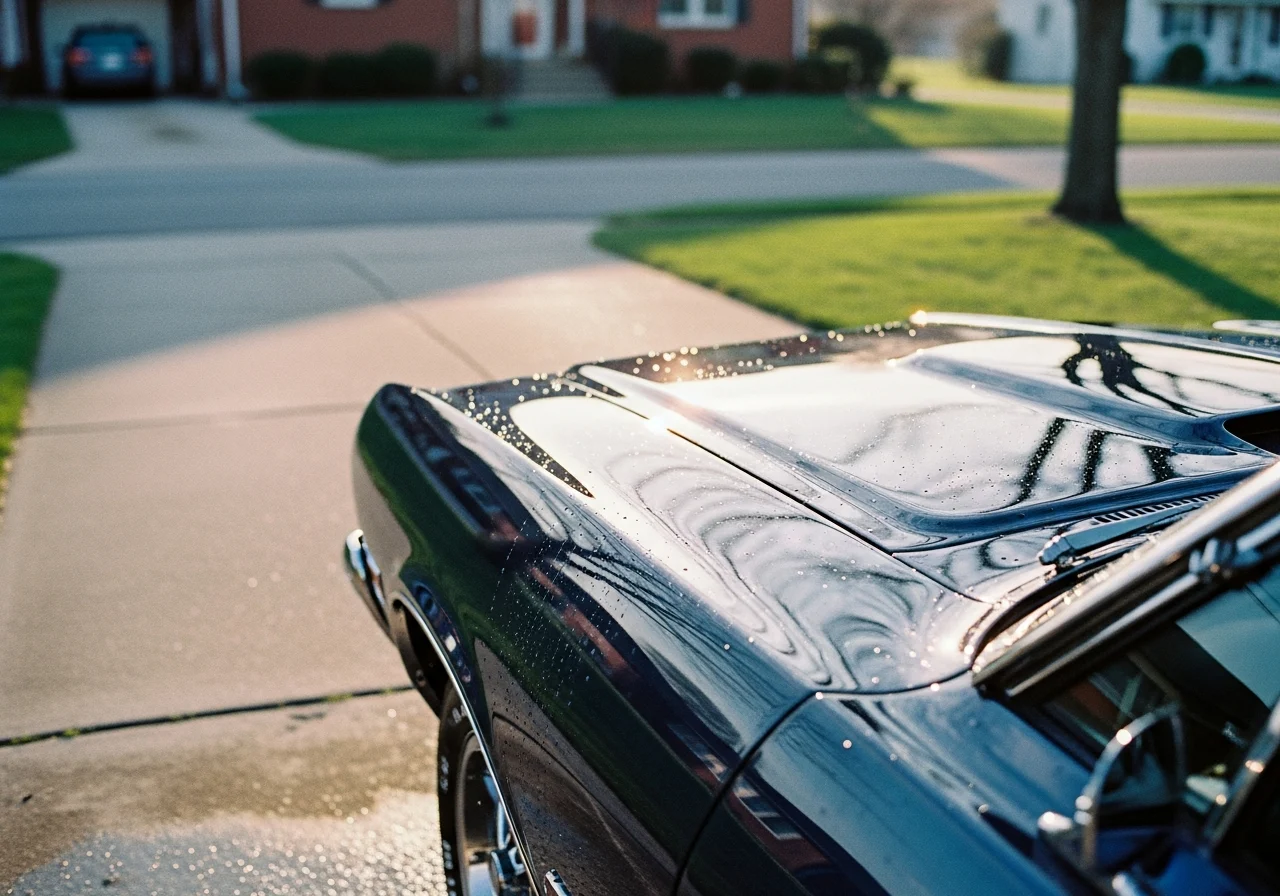
Traditional waxes primarily provide protection against minor scratches, UV rays, and water. They are also known for their ability to enhance the depth and richness of the car’s color, giving it a warm, glossy look.
Advantages of Traditional Wax
- Affordability: Traditional waxes are generally more affordable than ceramic coatings.
- Ease of Application: Waxing a car is a straightforward process that can be done at home with minimal equipment.
- Enhances Shine: Wax provides a deep, rich shine that enhances the vehicle’s appearance.
- Temporary Protection: While not as durable as ceramic coating, wax still provides a decent level of protection against environmental contaminants.
Ceramic Coating vs. Traditional Wax: A Side-by-Side Comparison
When deciding between ceramic coating and traditional wax, it’s essential to weigh the pros and cons of each method based on your specific needs and circumstances. Here is a closer look at how these two options compare in several key areas:
Durability and Longevity
Ceramic coating is the clear winner in terms of durability and longevity. While traditional wax may last for a few months, ceramic coatings can offer protection for several years. This long-lasting protection makes ceramic coatings an excellent choice for those who wish to minimize maintenance efforts and costs over time.
Protection Level
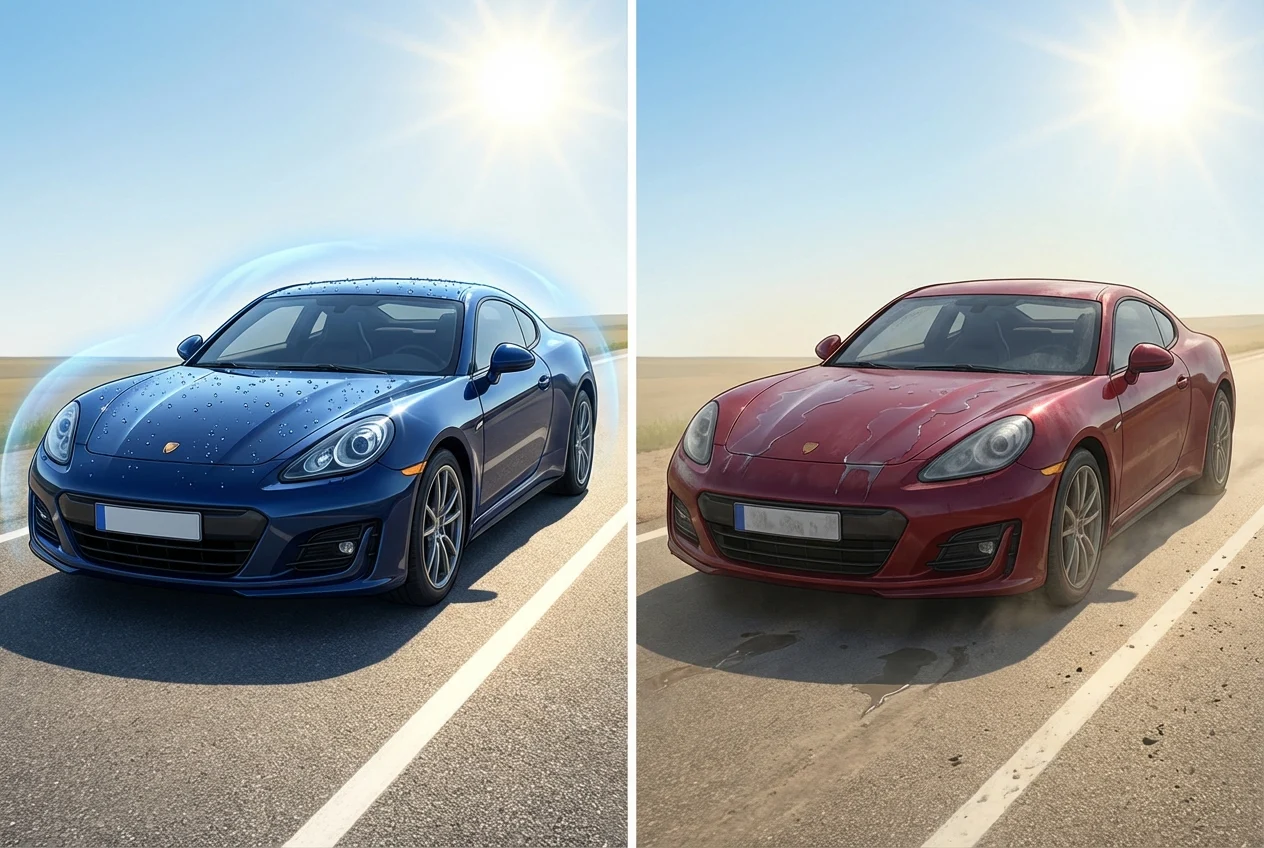
Ceramic coatings provide superior protection against environmental hazards, UV rays, and minor scratches. The chemical bond they form with the paint ensures that the protective layer remains intact for an extended period. In contrast, traditional wax offers only a superficial layer of protection that can be easily compromised by washing or exposure to the elements.
Aesthetic Enhancement
Both ceramic coatings and traditional wax are excellent at enhancing the appearance of a vehicle. While ceramic coatings offer a high-gloss, glass-like finish, traditional wax provides a warm and rich shine. The choice here depends on personal preference and the type of look you desire for your vehicle.
Cost and Accessibility
Traditional wax is more accessible and cost-effective than ceramic coating, making it an attractive option for budget-conscious car owners. However, the initial cost of ceramic coating, though higher, can be offset by its longevity and reduced maintenance requirements.
Which Offers Better Protection?
The decision between ceramic coating and traditional wax ultimately depends on your priorities and preferences. If you seek long-lasting protection, superior durability, and reduced maintenance, ceramic coating is the better option. Its ability to form a permanent bond with the paint ensures that your vehicle remains protected for years, offering peace of mind and maintaining the car’s resale value.
On the other hand, if you prefer a more budget-friendly and accessible solution, traditional wax may be the way to go. It provides a temporary shield and enhances the car’s shine, but it requires regular reapplication to maintain its protective properties.
In summary, both ceramic coating and traditional wax have their unique advantages and limitations. By understanding the differences between these two methods, you can make an informed choice that aligns with your needs and ensures your vehicle remains in pristine condition for years to come.
Additional Considerations for Vehicle Protection
While ceramic coating and traditional wax are popular options, it’s essential to consider other aspects of vehicle protection. Factors such as climate, driving habits, and storage conditions play a crucial role in determining the most suitable protection method for your car.
Climate and Environmental Factors
If you live in an area with harsh weather conditions, such as extreme heat, cold, or humidity, a ceramic coating might be more beneficial due to its durability and resistance to environmental stressors. The protective layer can withstand temperature fluctuations and exposure to harsh elements, ensuring the paint remains intact and vibrant.
Conversely, in milder climates where environmental threats are less pronounced, traditional wax may suffice for providing the necessary level of protection. However, it’s crucial to reapply the wax regularly to maintain its effectiveness against UV rays and mild contaminants.
Driving Habits and Frequency
Your driving habits and the frequency with which you use your vehicle also impact the choice between ceramic coating and traditional wax. For daily drivers or those who frequently travel long distances, ceramic coatings offer a significant advantage due to their superior resistance to road debris, bird droppings, and other pollutants encountered during regular use.
On the other hand, if you primarily use your vehicle for leisure or occasional trips, traditional wax might be sufficient. With less frequent exposure to harmful contaminants, the need for robust protection diminishes, making wax a viable option for maintaining your vehicle’s appearance.

Storage Conditions
How you store your vehicle can influence the effectiveness and necessity of either protection method. Cars kept in garages or covered storage spaces are less exposed to environmental hazards, reducing the need for intensive protection. In such cases, traditional wax may be more than adequate for maintaining the car’s finish.
However, for vehicles parked outside or in open areas, ceramic coating provides a more comprehensive solution. It offers enduring protection against the elements, ensuring that your car remains shielded from damage caused by prolonged exposure to sun, rain, and pollution.
Final Thoughts on Choosing the Right Protection
Ultimately, the decision between ceramic coating and traditional wax should be based on a thorough assessment of your specific needs and circumstances. While ceramic coatings offer unmatched longevity and protection, traditional wax remains a valuable option for those who prioritize affordability and ease of application.
Consider consulting with a professional detailer to evaluate the best protective solution for your vehicle. They can provide personalized recommendations based on the condition of your car’s paint, your lifestyle, and the environmental factors specific to your location.
By investing in the right protection method, you can ensure that your vehicle remains in excellent condition, preserving its aesthetic appeal and resale value for years to come. Making an informed choice will not only enhance your car’s appearance but also contribute to its long-term durability and performance. Whether you opt for the modern technology of ceramic coating or the classic approach of traditional wax, proper maintenance and care are essential for achieving the best results.
For more detailed information on how to apply wax to your car, you can refer to this comprehensive guide. Additionally, you might find this article on ceramic coating helpful for understanding its benefits and application process. For a deeper dive into the science behind these protective methods, consider reading this scientific study on automotive coatings.
Need help with Ceramic Coating vs. Traditional Wax: Which Offers Better Protection for Your Auto??