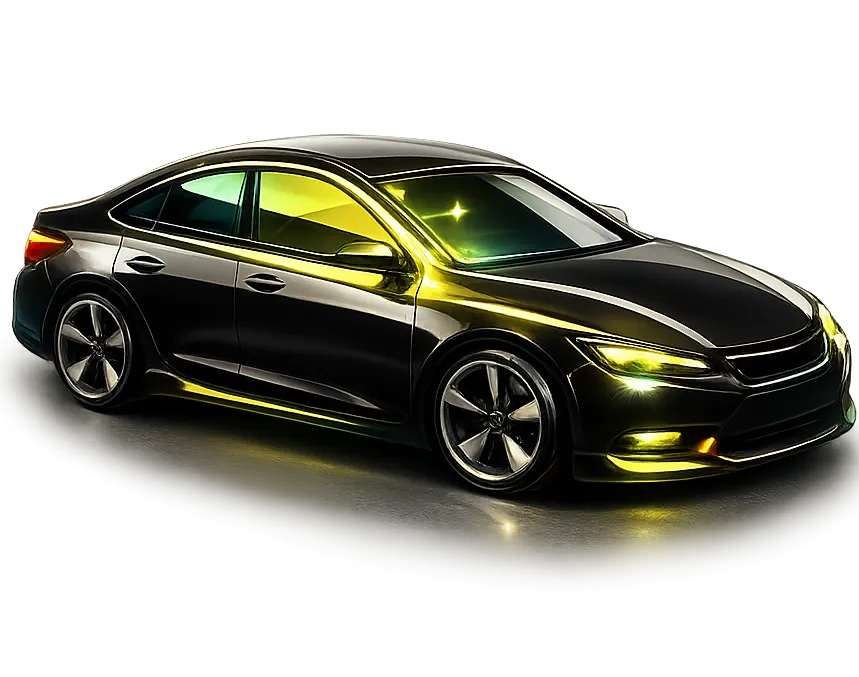





Window tint technology has changed significantly over the years, and not all films perform the same once they are installed on your vehicle, home, or commercial glass. While traditional dyed and metallized films can improve comfort and appearance, ceramic window tint is often considered a premium option because of how it manages heat, light, clarity, and long-term durability.
Understanding the differences between ceramic window tint and traditional films can help you choose a product that matches your goals, whether you are focused on heat rejection, UV protection, glare reduction, privacy, signal clarity, or overall value. This guide begins with the core performance factors that separate these film types and why those differences matter in everyday use.
How Window Tint Technology Has Evolved
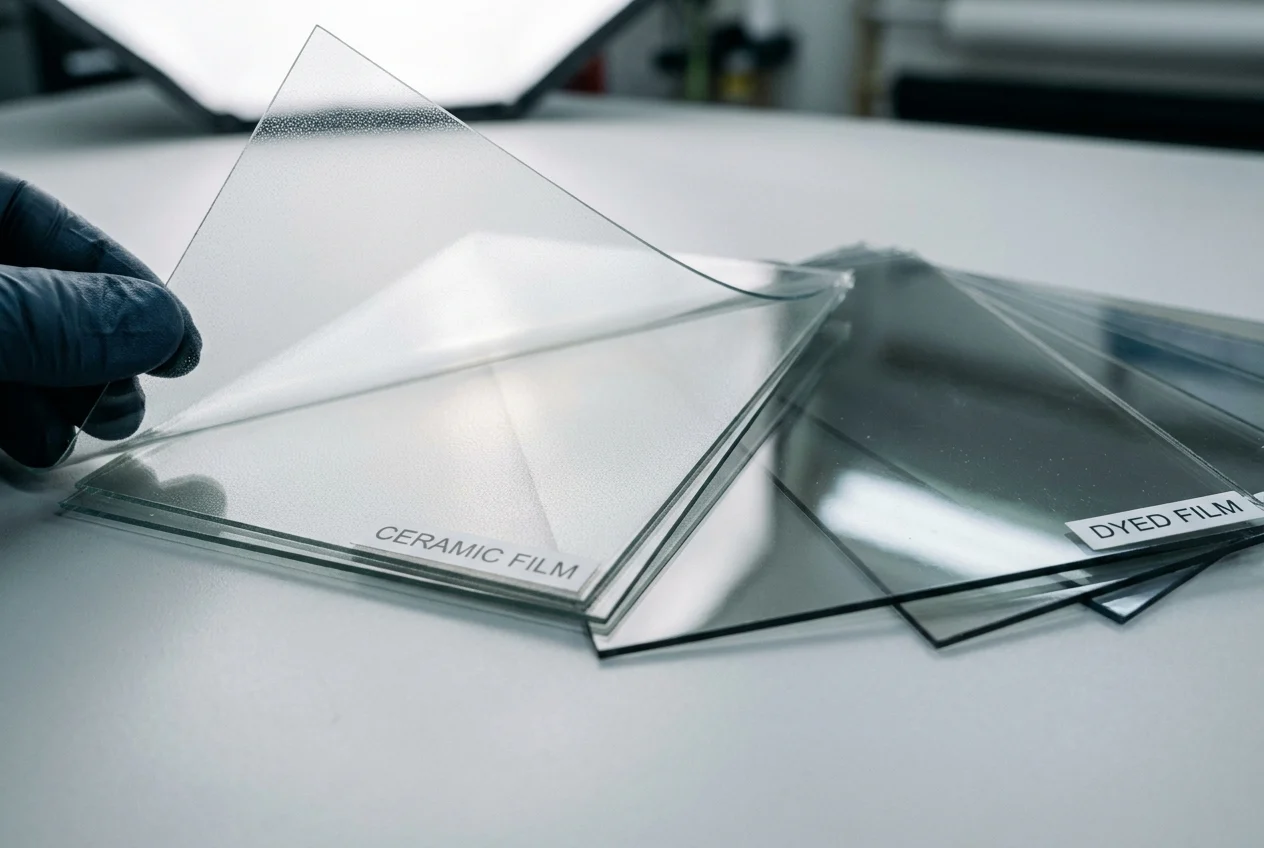
Traditional window films typically fall into a few common categories, including dyed film, metallized film, carbon film, and hybrid film. Dyed films are often chosen for their darker appearance and affordability, but they usually offer more modest heat rejection compared with more advanced options. Metallized films use tiny metallic particles to reflect solar energy, which can improve performance but may create issues with electronic signals in some applications.
Ceramic window tint uses advanced, non-metallic ceramic particles that are engineered to block a significant amount of infrared heat while maintaining excellent optical clarity. Unlike dyed films that rely heavily on color and darkness, ceramic films are designed to perform at a high level even in lighter shades. This means drivers and property owners can often achieve better comfort without choosing an extremely dark film.
The evolution from basic dyed films to ceramic technology is important because modern tint buyers often want more than appearance. They want cooler interiors, better visibility, long-lasting color stability, protection from UV rays, and compatibility with today’s connected devices. Ceramic films were developed to meet these needs while reducing many of the compromises associated with older film types.
Heat Rejection and Interior Comfort
One of the biggest advantages of ceramic window tint is its ability to reject infrared heat. Infrared radiation is a major contributor to the uncomfortable heat buildup that occurs inside vehicles and buildings exposed to direct sunlight. Ceramic films are designed to target this heat more effectively than many traditional dyed films, helping interiors feel cooler and more comfortable.
Traditional dyed films can reduce some sunlight and glare, but they may not block as much infrared heat unless they are very dark or combined with other technologies. This can lead to a situation where the glass looks tinted, but the interior still becomes hot during peak sun exposure. Ceramic tint helps solve this by focusing on performance rather than relying only on visible darkness.
Why Heat Rejection Matters Beyond Comfort
Improved heat rejection can also reduce strain on air conditioning systems. In a vehicle, this may help the cabin cool down faster after sitting in the sun. In a home or commercial space, better solar heat control can contribute to a more consistent indoor temperature, especially in rooms with large windows or heavy afternoon sun exposure.
Comfort is also closely tied to usability. A room that becomes too hot may be avoided during certain times of day, and a vehicle cabin that overheats can be unpleasant and distracting. By reducing heat transfer through the glass, ceramic window tint can make spaces more practical, comfortable, and enjoyable throughout the day.
UV Protection and Long-Term Interior Preservation
Another major reason ceramic window tint stands out is ultraviolet protection. Quality ceramic films can block up to 99 percent of harmful UV rays, which is valuable for both health and material preservation. UV exposure contributes to skin damage over time, and glass alone does not always provide enough protection, especially against UVA rays that can pass through many untreated windows.
For vehicles, UV protection helps reduce fading and deterioration of upholstery, dashboards, trim, leather, vinyl, and carpeting. Anyone who has seen a cracked dashboard or faded rear seat knows how destructive daily sun exposure can be. Ceramic tint acts as a protective barrier that slows this process, helping interiors look newer for longer.
In homes and commercial buildings, the same principle applies to flooring, furniture, artwork, display merchandise, window treatments, and office finishes. Traditional films may offer UV protection as well, but ceramic films often combine that protection with stronger heat performance and better clarity. This makes them especially useful in rooms where you want to preserve natural light while reducing solar damage.
Glare Reduction Without Excessive Darkness
Glare can be more than a minor annoyance. In a vehicle, intense glare from the sun, reflective pavement, nearby glass, or headlights can reduce visibility and contribute to eye strain. In a building, glare can make screens harder to read, cause discomfort during work, and make bright rooms feel harsh rather than inviting.
Traditional films reduce glare primarily by darkening the glass. This can be effective, but it may create tradeoffs, particularly at night or in areas with legal limits on visible light transmission. If a film is too dark, visibility can be reduced in low-light conditions, which may not be ideal for drivers or for spaces that need a bright, open feel.
Ceramic window tint offers a more balanced approach. Because it blocks heat efficiently without requiring the darkest shade, it can improve comfort while preserving better outward visibility. This is one of the reasons ceramic tint is popular with drivers who want performance but do not want their windows to look overly dark or compromise nighttime visibility.

Optical Clarity and a Cleaner View
High-quality ceramic window tint is known for excellent optical clarity. This matters because window film should improve the experience of using glass, not distort it. A clear, stable film allows you to see through the window with minimal haze, shimmer, or color shift, which is especially important for windshields, front side windows, storefronts, and architectural glass with scenic views.
Some lower-cost traditional films can develop visual imperfections over time. Dyed films may fade or turn purple, while poor-quality films may bubble, peel, or become cloudy. These issues are not only unattractive, but they can also interfere with visibility and reduce the professional appearance of a vehicle or building.
Ceramic film is designed to remain visually stable for a long time when properly installed and maintained. Its non-metallic construction also helps produce a clean appearance without the highly reflective look associated with some metallized films. For many users, the result is a refined finish that looks premium without appearing mirror-like or overly aggressive.
Signal Compatibility for Modern Devices
Modern life depends on wireless signals. Vehicles commonly rely on GPS navigation, Bluetooth connections, satellite radio, cellular service, keyless entry systems, toll transponders, tire pressure monitoring systems, and advanced driver assistance technologies. Buildings often depend on Wi-Fi, mobile reception, security systems, and connected smart devices.
Metallized traditional films can sometimes interfere with these signals because metal particles can reflect or disrupt radio frequency transmission. The level of interference varies based on the film, glass, device, and installation area, but it is a concern worth considering if connectivity matters to you. In some cases, users notice weaker GPS accuracy, reduced phone reception, or inconsistent electronic performance.
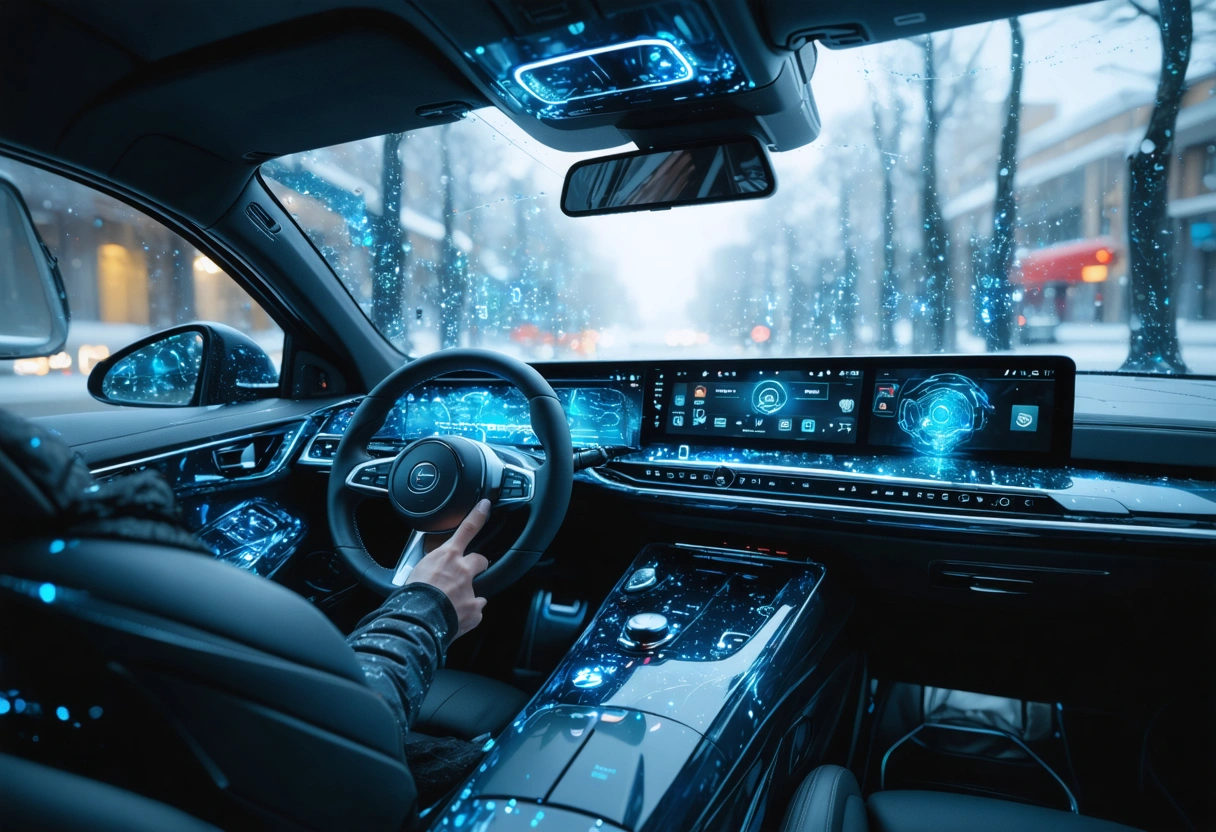
Ceramic window tint avoids this common drawback because it is non-metallic. It provides heat rejection through ceramic nanoparticles rather than metal layers, allowing wireless signals to pass through more reliably. This makes ceramic film especially appealing for modern vehicles and technology-heavy homes or offices where performance and connectivity must work together.
Durability, Fade Resistance, and Maintenance
Long-term durability is one of the key factors that separates premium ceramic tint from many basic traditional films. Dyed window films are often more vulnerable to fading because their appearance depends on dye absorption. Over time, sun exposure can cause the color to lighten, shift, or take on an uneven look. In some older installations, dyed films may even develop a purple tone.
Ceramic films are built to resist fading and maintain their performance over time. The ceramic particles are stable under intense sunlight and heat, which helps the film retain its appearance and effectiveness. This does not mean ceramic tint is indestructible, but it is generally engineered for a longer service life than many entry-level options.
Maintenance is also straightforward. Once the film has fully cured after installation, it can typically be cleaned with a soft cloth and a non-abrasive, ammonia-free cleaner. Harsh chemicals, razor blades, and rough scrubbing should be avoided with any window film. Proper care helps preserve the surface, clarity, and edge adhesion, whether the film is ceramic or traditional.
Appearance, Privacy, and Style Options
Window tint is not only about performance. Appearance plays a major role in the decision, especially for vehicles and commercial properties where first impressions matter. Traditional dyed films can create a dark, uniform look at a lower price point, while metallized films may have a shinier or more reflective finish. Some people like that reflective appearance, while others prefer something more subtle.
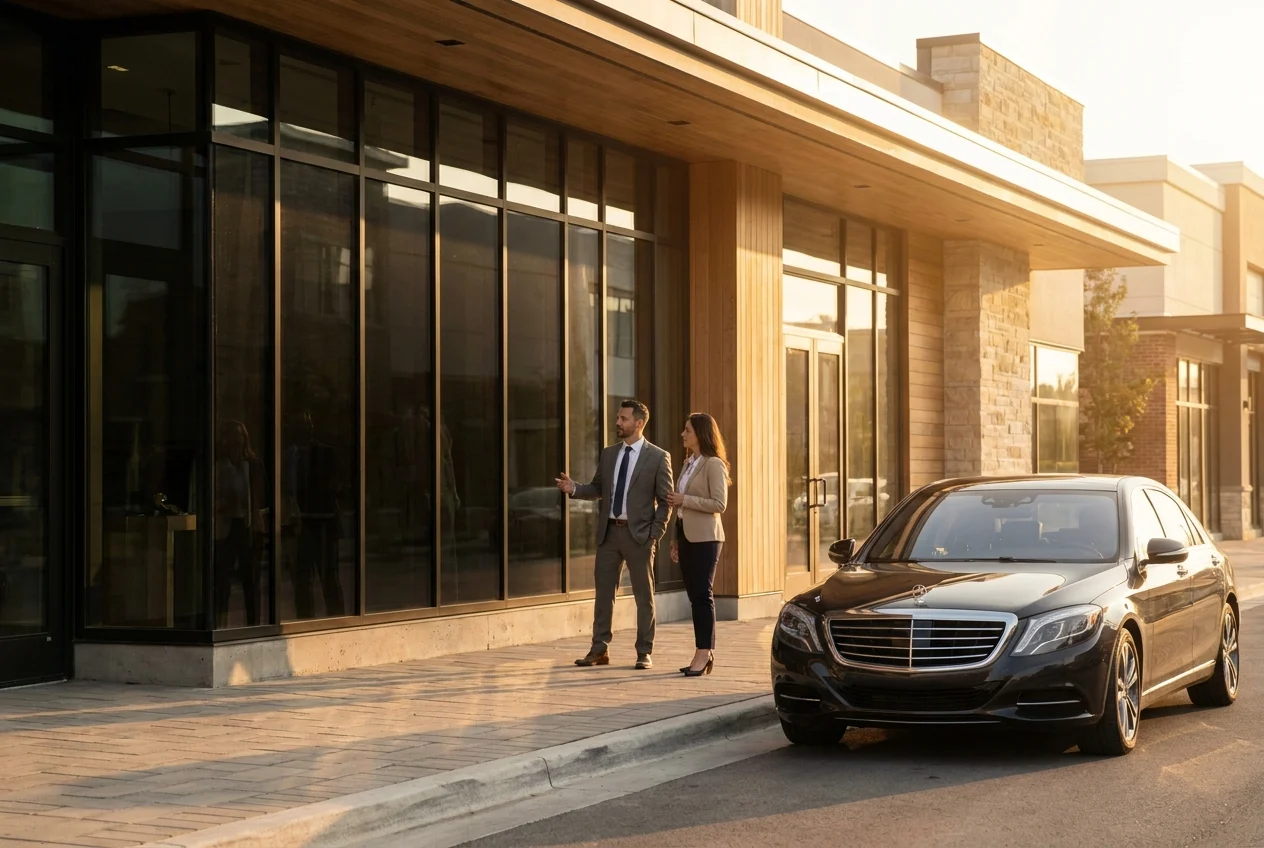
Ceramic tint usually provides a sleek, modern look with a neutral tone. It can enhance the appearance of glass without making it look excessively reflective. This makes it a strong choice for luxury vehicles, daily drivers, storefronts, offices, and homes where aesthetics should feel clean and intentional.
Privacy depends largely on the shade selected rather than the film technology alone. A darker ceramic film will generally provide more daytime privacy than a lighter ceramic film, just as with traditional tint. However, ceramic technology gives you more flexibility because you can choose a lighter shade and still gain meaningful heat rejection. This is useful when local regulations, neighborhood standards, or personal preference call for a less dramatic appearance.
Cost, Value, and Choosing the Right Film
Ceramic window tint typically costs more than traditional dyed film. That higher price reflects the technology, performance, durability, and often the quality of the product line. For budget-focused projects, a traditional film may still make sense, particularly if the main goals are appearance, basic glare reduction, and short-term affordability.
However, value should be measured beyond the initial installation price. If ceramic tint keeps an interior cooler, protects materials from sun damage, lasts longer, resists fading, and avoids signal interference, the long-term benefits may justify the higher upfront cost. In many cases, ceramic film is the better value for people who plan to keep their
Need help with The Benefits of Ceramic Window Tint vs. Traditional Films?