


Choosing the right automotive window film involves more than selecting a shade. The film’s construction affects heat rejection, ultraviolet protection, glare reduction, signal compatibility, appearance, durability, and price. Ceramic and carbon tint are both modern, nonmetallic options, but they deliver different levels of performance.
Understanding how each material works can help you make a practical decision based on your climate, driving habits, vehicle type, and budget. The best choice is not always the darkest or most expensive film, but the one that provides the right balance of comfort, visibility, and long-term value.
How Modern Window Tint Technology Works
Automotive window tint consists of thin layers engineered to manage solar energy as it passes through vehicle glass. Quality films can reduce ultraviolet exposure, limit glare, and prevent some solar heat from entering the cabin.
Visible light transmission, commonly called VLT, indicates the percentage of visible light that can pass through tinted glass. A lower VLT percentage creates a darker appearance, while a higher percentage allows more light into the vehicle.
What Is Carbon Window Tint?
Carbon window tint incorporates carbon particles into the film to absorb solar energy and reduce the amount of heat entering a vehicle. Unlike basic dyed tint, a well-made carbon film is less likely to develop a purple hue as it ages.
Because carbon films do not rely on metal particles, they generally do not interfere with mobile phones, GPS devices, satellite radio, or keyless entry systems.
What Is Ceramic Window Tint?
Ceramic window tint uses microscopic ceramic particles designed to reject heat while maintaining optical clarity. These particles are nonconductive and nonmetallic, so the film can deliver strong solar protection without disrupting electronic signals.
High-quality ceramic films are known for blocking ultraviolet radiation and reducing infrared heat, which is the solar energy drivers often feel through side windows. They can help keep seats, steering wheels, and interior surfaces more comfortable while reducing strain on the vehicle’s climate control system.
Key Performance Differences Drivers Should Consider
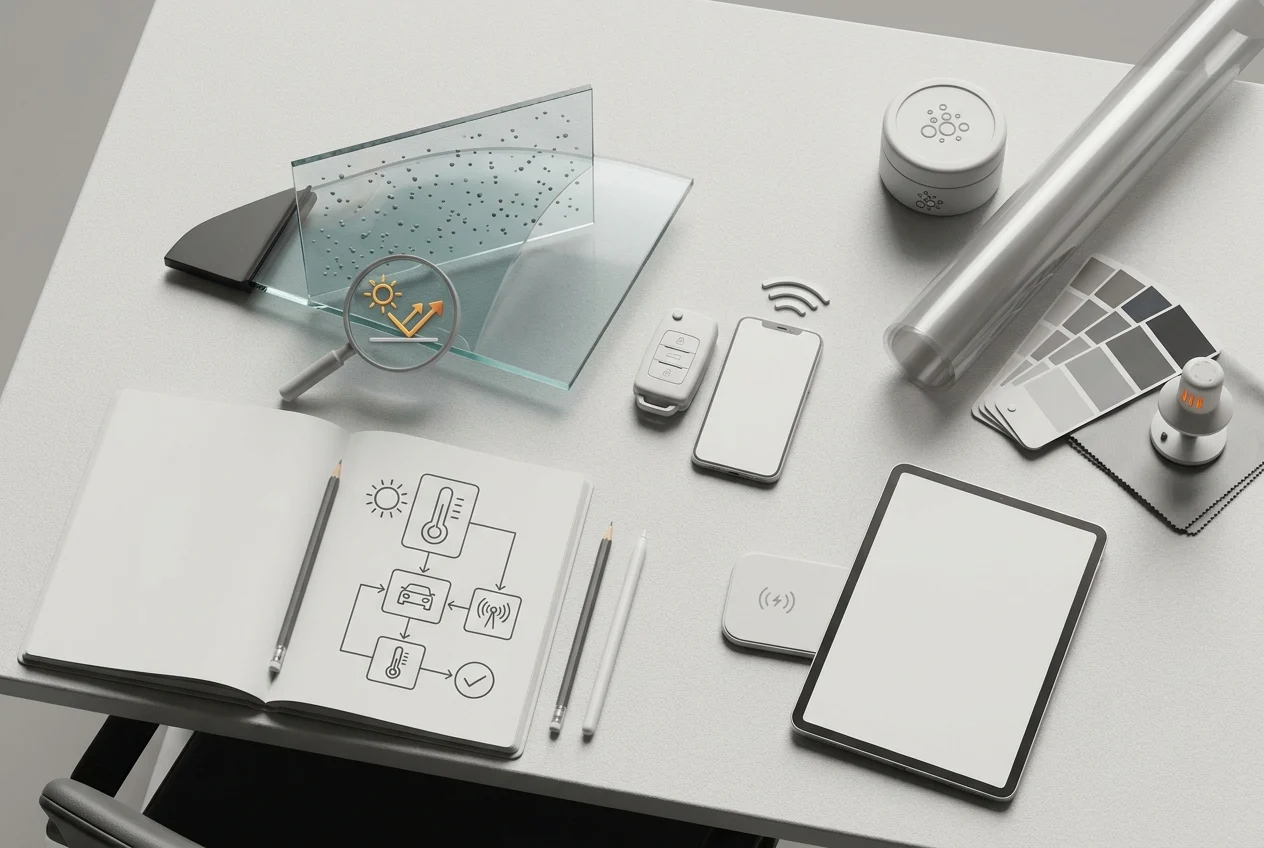
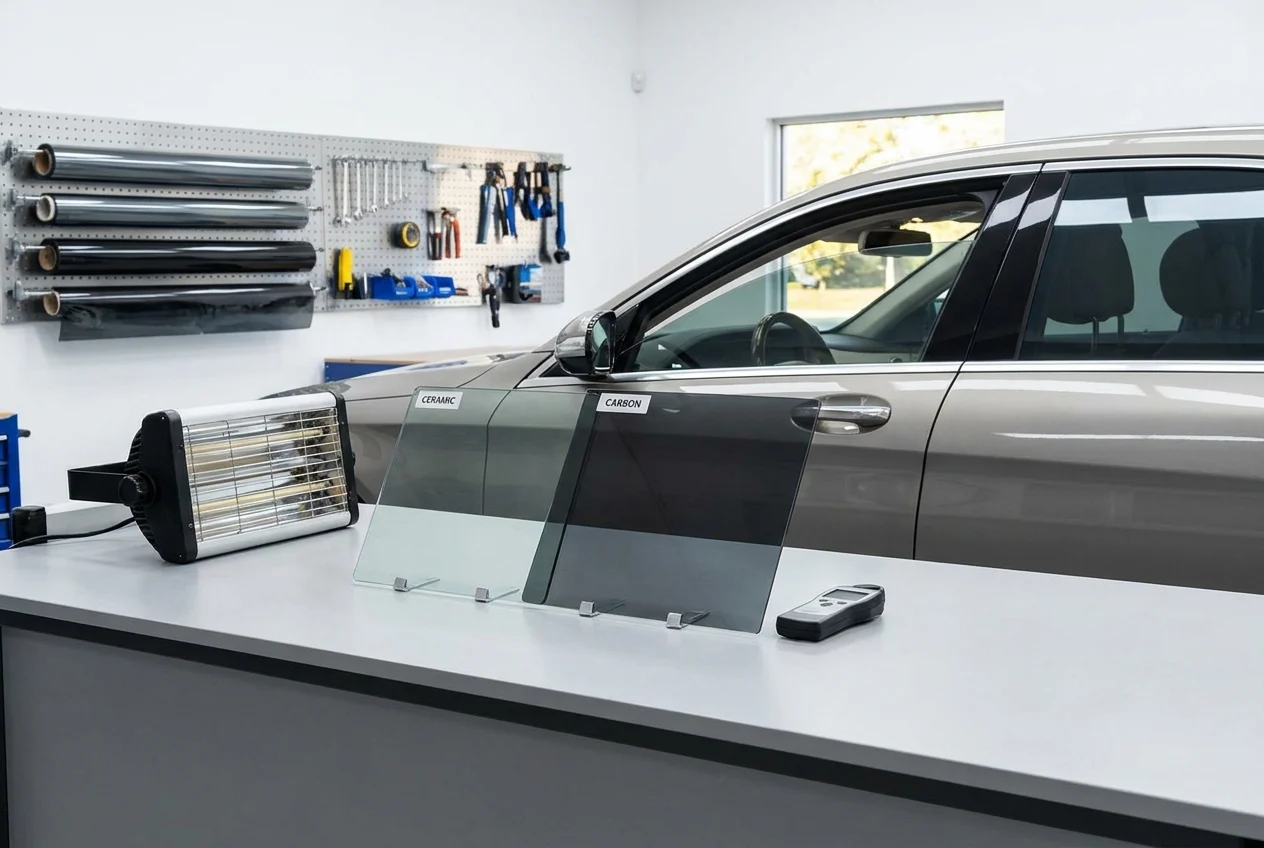
The most noticeable distinction between ceramic and carbon tint is often heat management. Carbon film absorbs a portion of solar heat, while ceramic film is generally engineered to reject a greater amount of infrared energy.
Actual results vary by brand, product line, shade, glass type, and installation quality. Drivers should compare manufacturer specifications for total solar energy rejection and infrared rejection rather than relying only on marketing labels.
Heat Rejection and Cabin Comfort
Ceramic tint usually provides superior heat rejection, including in lighter shades that preserve a more factory-like appearance. This can be valuable for drivers who want improved comfort without making their windows excessively dark.
Carbon tint still offers a clear improvement over untinted glass and many entry-level dyed films. For moderate climates or vehicles that spend substantial time in garages and covered parking, its heat reduction may be sufficient.
Clarity, Glare, and Nighttime Visibility
Premium ceramic tint tends to provide excellent optical clarity with minimal haze or distortion. This is particularly helpful through side windows and rear glass, where clear visibility supports safer lane changes and reversing.
Quality carbon tint can provide good clarity and effective glare reduction, although performance varies across products. Regardless of film type, choosing a shade that is too dark can make it harder to see pedestrians, cyclists, road edges, and obstacles at night.
UV Protection and Interior Preservation
Both carbon and ceramic films can block a high percentage of ultraviolet radiation when they are produced by a reputable manufacturer. This protection can reduce cumulative exposure for drivers and passengers while slowing the fading, cracking, and discoloration of upholstery, dashboards, leather, and interior trim.
UV rejection should not be confused with heat rejection. A film may offer strong UV protection while providing only moderate infrared or total solar energy rejection.
Electronic Signal Compatibility
Carbon and ceramic tint are both nonmetallic, so they generally allow cellular, GPS, Bluetooth, satellite radio, toll transponder, and keyless entry signals to operate normally.
Signal compatibility is one advantage these films have over some older metallic products. However, factory glass coatings, embedded antennas, and other vehicle components can also affect reception.
Appearance, Color Stability, and Durability
Carbon film is often selected for its neutral, dark finish. It tends to look less reflective than many metallic films and can blend well with factory privacy glass.
Ceramic film is available in a broad range of shades, including nearly clear options designed primarily for heat and UV management. Premium products typically maintain a neutral appearance without creating an overly shiny or mirrored surface.
Expected Service Life
Both film types can provide years of service when installed correctly and maintained properly. Ceramic tint generally offers excellent resistance to fading, bubbling, peeling, and color change, which can support its higher initial cost.
Climate and vehicle use affect film life. Intense sunlight, repeated temperature changes, harsh cleaning products, damaged window seals, and abrasive cleaning methods can shorten the lifespan of any tint.
Cost and Long Term Value
Carbon tint generally occupies the middle of the pricing range. It costs more than basic dyed film but less than most premium ceramic products. For drivers seeking reliable UV protection, reduced glare, stable color, and moderate heat control, carbon can provide a strong balance of performance and affordability.
Ceramic tint commands a higher price because of its materials, manufacturing process, and heat rejection capabilities. The added cost may be worthwhile for a vehicle driven daily in a hot climate, a car with a large windshield and panoramic roof, or a premium vehicle whose interior would be costly to repair or replace.
Price should be evaluated across the expected ownership period. A durable film that maintains its appearance and performance may offer better value than a cheaper product that needs early replacement.
When Carbon Tint Offers Better Value
Carbon tint may be the more practical choice for a budget conscious driver who wants a meaningful upgrade over entry-level film. It is often sufficient in mild or seasonal climates, particularly when the vehicle is regularly parked in a garage or shaded area.
For example, a commuter who drives mainly during mornings and evenings may not benefit enough from maximum infrared rejection to justify the ceramic premium. Carbon film can still reduce glare, protect the interior, and improve comfort while leaving room in the budget for professional installation.
When Ceramic Tint Justifies the Premium
Ceramic film is especially valuable for drivers who spend long periods on the road during peak daylight hours. Rideshare drivers, delivery drivers, frequent travelers, and commuters in sunny regions may notice a greater improvement in comfort because of the film’s stronger heat rejection.
It can also be a useful option for electric vehicles. Reducing solar heat gain may decrease some demand on cabin cooling, although the effect on driving range depends on weather, vehicle design, glass area, and climate control settings.
Legal and Safety Considerations
Window tint regulations often specify minimum VLT levels for the windshield, front side windows, rear side windows, and rear glass. Rules may also address reflectivity, tint colors, windshield coverage, inspection requirements, certification labels, and medical exemptions.
Factory glass must be considered when determining final VLT. Applying a film rated at a certain percentage does not mean the completed window will have exactly that VLT because the original glass may already reduce visible light transmission.
Legal compliance does not always guarantee ideal visibility for every driver. Someone who frequently drives on poorly lit roads may prefer a lighter film than the darkest legally permitted option.
Windshield and Privacy Glass Considerations
Windshield tinting is often subject to stricter rules than tinting on other windows. Some jurisdictions permit only a narrow strip near the top, while others allow certain light, nearly clear films.
Factory privacy glass, commonly found on rear windows of sport utility vehicles, vans, and trucks, primarily reduces visible light. It may not provide the same heat rejection or UV performance as an aftermarket solar control film.
Why Product Quality and Installation Matter
The terms carbon and ceramic describe broad film categories rather than a single performance standard. An inexpensive ceramic labeled product may perform worse than a high-quality carbon film.
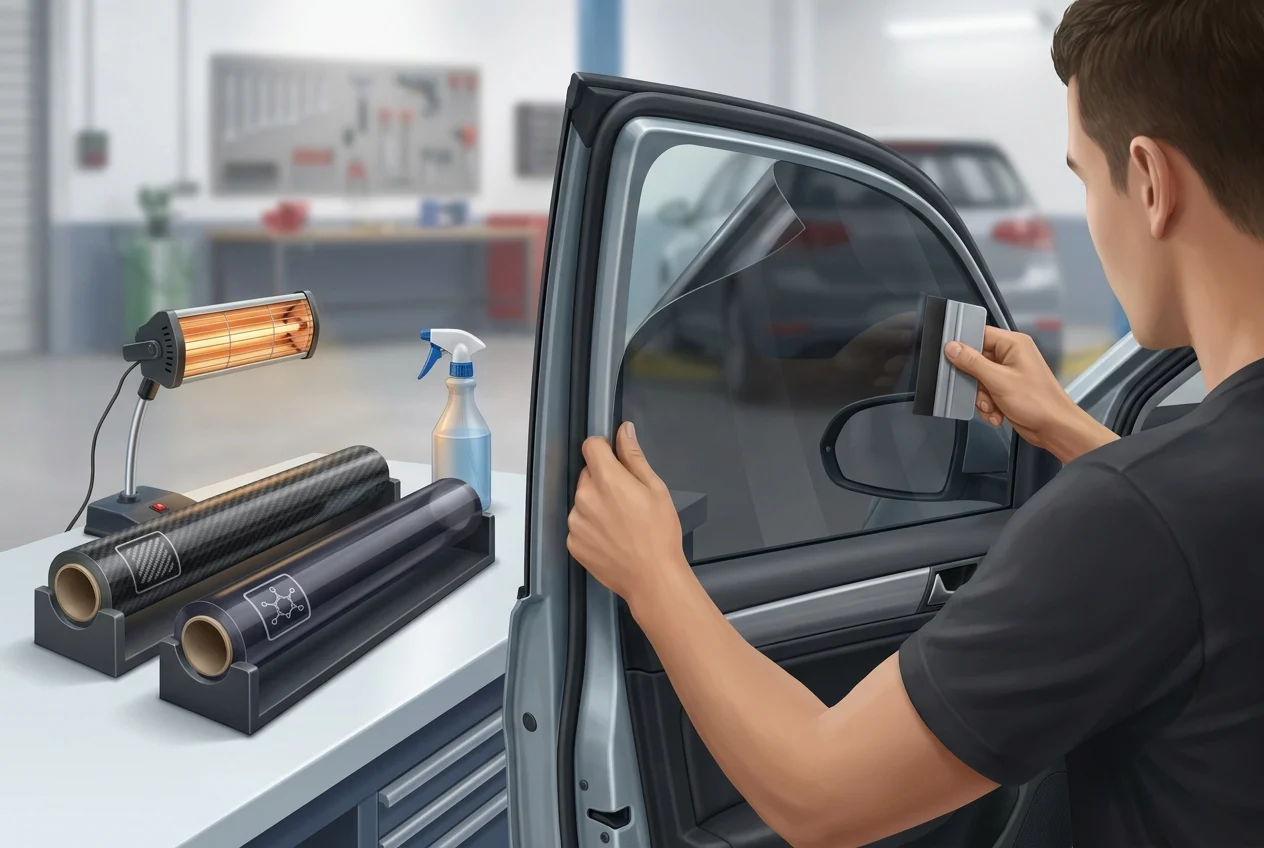
Professional installation is important because contamination, trapped debris, creases, light gaps, and poorly trimmed edges can reduce both appearance and durability. Installers must also work carefully around rear window defroster lines, embedded antennas, sensors, cameras, and delicate interior trim.
Questions to Ask an Installer
Ask for the exact manufacturer and product line rather than accepting a general description such as premium ceramic tint. Request specifications for VLT, total solar energy rejection, infrared rejection, UV rejection, reflectivity, and warranty coverage.
It is also helpful to view sample installations in daylight and from inside a vehicle. This makes it easier to compare color, reflectivity, clarity, and shade.
Caring for Carbon and Ceramic Window Film
Newly installed film requires time to dry and bond to the glass. A hazy appearance or small moisture pockets may be visible during the curing period, especially in cool or humid weather.
Clean the glass with a soft microfiber cloth and an ammonia-free cleaner that is safe for window film. Avoid abrasive pads, sharp tools, and aggressive scraping, which can damage the film’s protective surface.
Seat belts, cargo, pet claws, and jewelry can also scratch tint if they repeatedly strike the glass. If an edge begins to lift or bubbles appear after curing, contact the installer rather than attempting a repair with heat or adhesive.
Choosing the Best Tint for Your Vehicle
Carbon tint is often best for drivers seeking dependable performance at a moderate price. It provides good UV protection, glare reduction, color stability, and heat control without interfering with electronic signals.
Ceramic tint is usually the stronger choice when maximum heat rejection, optical clarity, and performance in lighter shades are priorities. Its higher cost is easier to justify in hot climates, vehicles with extensive glass, and vehicles kept for many years.
A Practical Decision Checklist
Consider where the vehicle is parked, how often it is driven during peak sunlight, and whether nighttime visibility requires a lighter shade. Compare verified specifications, final installed VLT, warranty terms, and total installation cost.
For most drivers, a high-quality film installed correctly will outperform a poorly made product regardless of its label. Carbon offers excellent overall value, while ceramic delivers premium heat management and clarity.
Need help with Ceramic vs. Carbon Window Tint: Which Is Best for Your Vehicle??