Protecting your vehicle’s paint is one of the smartest ways to preserve its appearance, resale value, and long term durability. Two of the most popular options are ceramic coating and paint protection film, often called PPF. While both are designed to shield your vehicle’s exterior, they work in very different ways and solve different problems.
Choosing between ceramic coating and paint protection film depends on how you drive, where you park, how much maintenance you want to do, and the type of protection you expect. Understanding the strengths and limitations of each option can help you make a more confident decision before investing in professional paint protection.
How These Paint Protection Options Work
Ceramic coating is a liquid polymer applied to the exterior surfaces of a vehicle. Once properly installed and cured, it bonds with the paint to create a slick, glossy, hydrophobic layer. This layer helps repel water, dirt, road grime, bird droppings, bug splatter, and other contaminants that can make a vehicle harder to clean or contribute to paint staining over time.
One of the biggest reasons vehicle owners choose ceramic coating is the way it enhances gloss and simplifies maintenance. A coated surface is easier to wash because contaminants have a harder time sticking to the paint. Ceramic coating can also provide resistance against UV exposure and chemical damage, helping reduce oxidation and fading when the vehicle is properly cared for.
Paint protection film is a clear urethane film applied over painted surfaces. Unlike ceramic coating, PPF creates a physical barrier between the paint and the outside world. This makes it especially effective against rock chips, road debris, light scratches, and other impact related damage that commonly affects high contact areas such as the front bumper, hood, fenders, mirror caps, rocker panels, and door edges.
Many modern paint protection films also feature self healing technology. With heat from the sun, warm water, or controlled heat application, minor surface swirls and light marks in the film can diminish or disappear. This makes PPF a strong choice for drivers who want the highest level of defense against everyday road hazards.
Key Differences That Matter for Daily Drivers
The most important difference between ceramic coating and paint protection film is the type of protection each one provides. Ceramic coating is best understood as a surface protection and maintenance solution. It adds slickness, gloss, chemical resistance, UV resistance, and water repellency, but it does not provide meaningful protection against rock chips or heavier impacts.
Paint protection film is best understood as impact protection. It is thicker than a ceramic coating and can absorb damage that would otherwise strike the factory paint directly. For vehicles driven frequently on highways, gravel roads, construction zones, or areas with loose debris, PPF offers a level of paint preservation that ceramic coating alone cannot match.
Appearance and Finish
Ceramic coating is often chosen by owners who want a deep, glossy, freshly detailed look. When applied after proper paint correction, it can make the paint appear richer and more reflective. It does not hide defects permanently, so the condition of the paint before installation plays a major role in the final result.
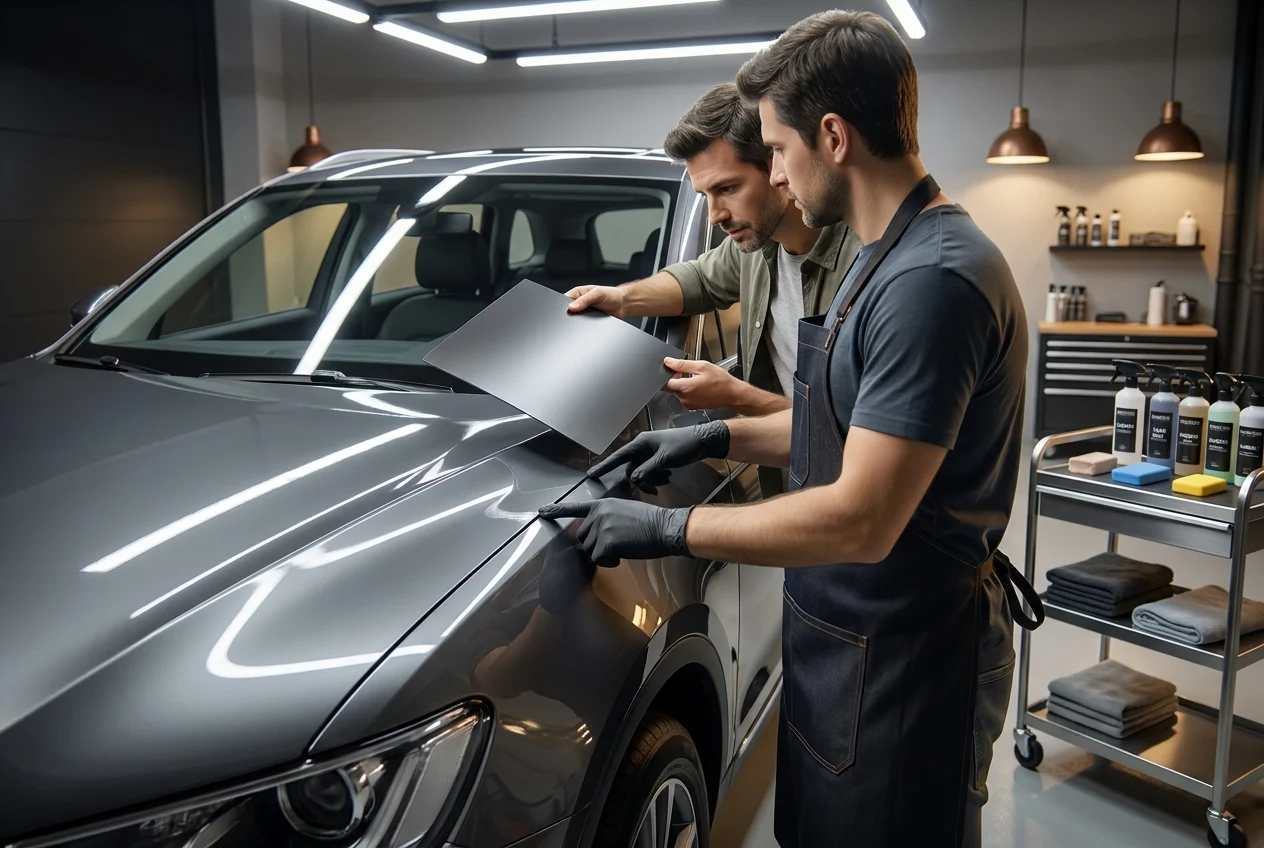
Paint protection film is designed to be nearly invisible when professionally installed. High quality film can preserve the original color and finish of the vehicle while adding a clear protective layer. Some PPF options are also available in matte or satin finishes, making them useful for protecting factory matte paint or changing the look of gloss paint without repainting the vehicle.
Maintenance Expectations
A ceramic coated vehicle still needs regular washing, but the process is usually easier and faster. Dirt and water are less likely to cling to the surface, which can reduce wash time and help limit the chance of wash induced swirl marks when proper techniques are used. However, ceramic coating is not a substitute for maintenance, and neglect can reduce its performance.
Paint protection film also requires proper care, especially around film edges and seams. While it is durable, it should still be washed carefully and protected from harsh chemicals that may affect its clarity or longevity. Some vehicle owners choose to apply ceramic coating over PPF to make the film easier to clean and to add hydrophobic behavior to the protected areas.
Durability, Longevity, and Real World Performance
Ceramic coating longevity varies based on the product quality, installation process, preparation work, climate, washing habits, and how often the vehicle is exposed to harsh conditions. A professional grade ceramic coating may last several years when maintained correctly, while consumer grade coatings and spray based products typically offer shorter protection. The coating will not usually fail all at once. Instead, hydrophobic behavior may gradually decline, gloss may become less dramatic, and the surface may begin to hold contamination more easily.
Paint protection film generally has a longer functional lifespan when installed correctly and cared for properly. Premium films are engineered to resist yellowing, cracking, and peeling, although real world performance depends on sun exposure, road conditions, climate, and maintenance. A vehicle that spends its life outdoors in intense heat and direct sunlight may age film faster than a garage kept weekend car. Even so, quality PPF can provide many years of strong protection before replacement becomes necessary.
Performance also depends on the specific areas protected. Ceramic coating usually covers painted panels, and it can also be applied to wheels, glass, trim, and other surfaces with the right product. Paint protection film is more commonly installed on high impact zones because full vehicle coverage is more labor intensive and costly. A front end PPF package may protect the areas most likely to suffer rock chips, while a full body installation offers the most complete physical barrier.
Cost Considerations and Long Term Value
Cost is often one of the biggest deciding factors. Ceramic coating is typically less expensive than paint protection film, especially when comparing a coating package to full body PPF. However, the final price depends heavily on preparation. If the paint needs significant correction before coating, labor time increases. This is important because ceramic coating locks in the visual condition of the paint. Applying it over swirls, water spots, or oxidation will not produce the same premium result as applying it over properly polished paint.
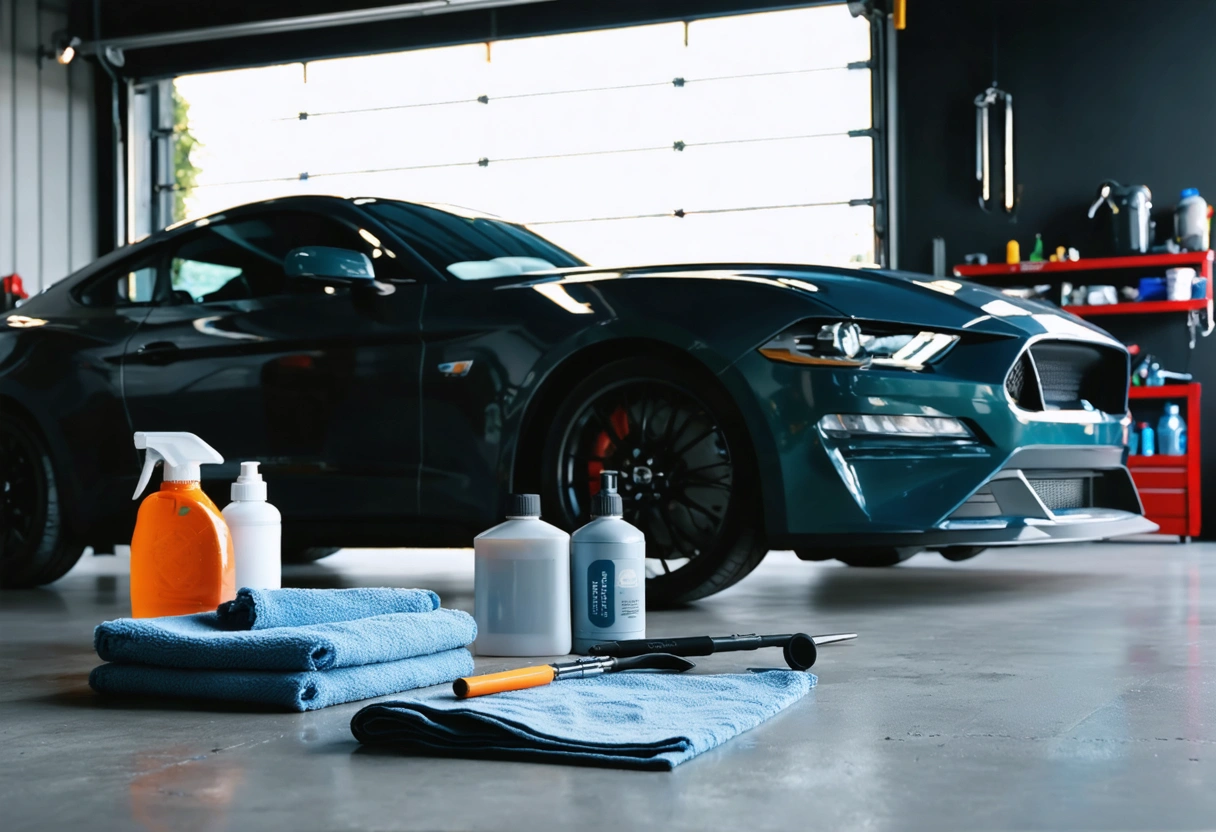
Paint protection film usually costs more because the material itself is more expensive and installation requires careful patterning, stretching, alignment, trimming, and finishing. The installer must contour the film to complex body shapes while minimizing visible edges, bubbles, and distortion. Full front coverage often costs substantially less than full vehicle coverage, which is why many owners choose targeted PPF on the most vulnerable areas rather than wrapping every painted panel.
When thinking about value, consider the cost of repainting or repairing damage. A chipped bumper, sandblasted rocker panel, or scratched hood can reduce a vehicle’s appearance and resale appeal. PPF can help prevent that damage before it happens. Ceramic coating, on the other hand, can reduce ongoing maintenance effort and help preserve gloss. The best value depends on whether your main concern is impact damage, appearance, ease of washing, or a combination of all three.
Which Drivers Benefit Most from Ceramic Coating?
Ceramic coating is an excellent fit for drivers who want their vehicle to look freshly detailed with less effort. If you enjoy a deep gloss finish, strong water beading, and easier washing, ceramic coating offers noticeable day to day benefits. It is especially useful for dark colored vehicles, luxury cars, show cars, and daily drivers that accumulate dust, pollen, bug residue, and road film.
It is also a strong option for owners who park outdoors and want extra protection against UV exposure and environmental contamination. Bird droppings, tree sap, bug acids, and mineral deposits can still damage coated paint if left for too long, but ceramic coating gives you a better defensive layer than unprotected clear coat. In many cases, contaminants can be removed more easily before they etch deeply into the surface.
However, ceramic coating is not the ideal choice if your primary fear is rock chips. A coating is too thin to absorb impact from stones or road debris at highway speeds.

Which Drivers Benefit Most from Paint Protection Film?
Paint protection film is the better choice for drivers who want serious physical protection. If your vehicle is new, expensive, rare, leased, performance oriented, or especially important to you, PPF can help preserve factory paint in a way that no coating can.
PPF is especially valuable on vehicles with wide tires, aggressive body lines, low ride height, or sticky performance tires that throw debris onto lower panels.
There are a few tradeoffs to consider. PPF requires a higher upfront investment, and installation quality matters tremendously. Poor installation can lead to visible seams, trapped debris, lifting edges, stretch marks, or uneven coverage.
Can You Use Ceramic Coating and PPF Together?
Many vehicle owners do not choose one option exclusively. Instead, they combine paint protection film and ceramic coating for layered protection. A popular strategy is to install PPF on high impact areas such as the front bumper, hood, fenders, mirror caps, rocker panels, and door cups, then apply ceramic coating over the entire vehicle, including the film and exposed paint.
This combination gives you the strengths of both technologies. The film absorbs impacts in vulnerable zones, while the ceramic coating adds gloss, slickness, hydrophobic behavior, UV resistance, and easier cleaning across the vehicle.
The order of installation matters. Paint protection film is usually installed first, followed by ceramic coating after the film has settled properly. This allows the coating to bond to both the exposed paint and the PPF surface.
Making the Right Choice for Your Vehicle
If your budget allows only one option, start by identifying your biggest concern. Choose ceramic coating if you care most about gloss, easier maintenance, chemical resistance, and keeping the vehicle cleaner between washes.
Your driving environment should heavily influence the decision. A garage kept vehicle used mostly for city driving may benefit greatly from ceramic coating. A daily commuter that spends hours on the highway behind trucks may need PPF on the front end first.
Vehicle age also matters. For a brand new car, applying protection early helps preserve the paint before wear begins. For
Need help with Ceramic Coating vs. Paint Protection Film: Which Option Is Right for Your Vehicle??