




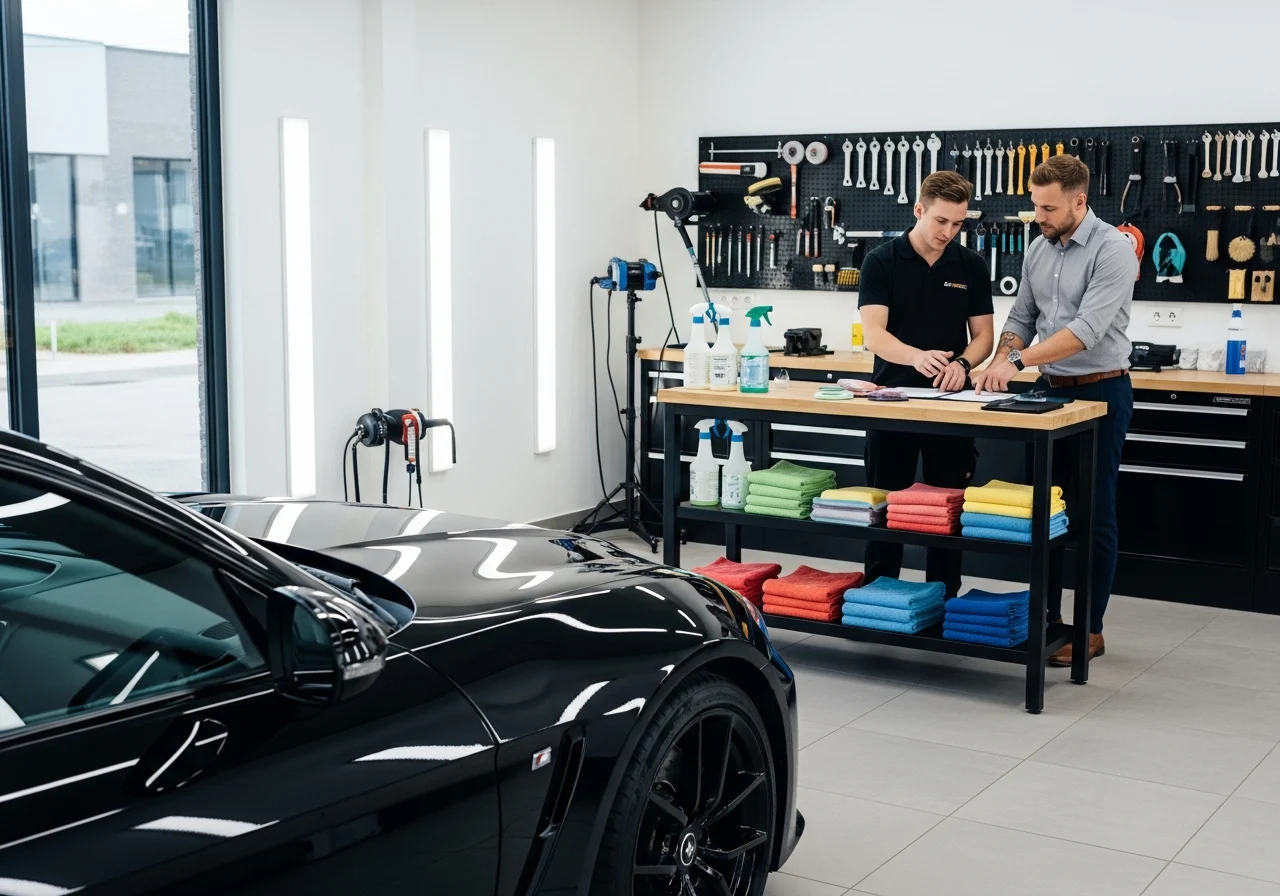
In recent years, ceramic coating has emerged as a revolutionary solution for vehicle protection, offering a durable shield against the elements and enhancing the aesthetic appeal of your car. Although ceramic coatings are known for their longevity and resilience, proper maintenance is crucial to ensure that they continue to perform at their best. Understanding the nuances of maintaining a ceramic coating can extend its lifespan and keep your vehicle looking pristine.
This guide will delve into the essential maintenance tips for ceramic coatings, providing you with the knowledge needed to preserve your investment. By following these tips, you can ensure that your vehicle remains well-protected and visually stunning for years to come.
Understanding Ceramic Coating
Ceramic coating is a liquid polymer applied to the exterior of a vehicle, forming a chemical bond with the factory paint. This bond creates a protective layer that can withstand environmental contaminants and minor scratches. Unlike traditional waxes and sealants, ceramic coatings offer long-term protection and hydrophobic properties.
The main appeal of ceramic coating is its ability to repel water, dirt, and grime, making it easier to clean your vehicle. The coating also provides UV resistance, preventing paint oxidation and fading. However, while ceramic coatings are robust, they are not maintenance-free. To maximize their benefits, regular upkeep is necessary.
Why Maintenance Is Crucial
Even though ceramic coatings offer enhanced protection, they are not invincible. Over time, environmental factors such as acid rain, bird droppings, and harsh chemicals can degrade the coating. Proper maintenance helps mitigate these effects and prolongs the coating’s life. Additionally, routine care ensures that the hydrophobic properties and gloss remain intact.
Ignoring maintenance can lead to a dull appearance and reduced protective capabilities. Moreover, contaminants that are not removed promptly may etch into the coating or even the paint beneath, causing permanent damage. Therefore, understanding and implementing the right maintenance practices is key to preserving the integrity of your ceramic coating.
Regular Washing Routine
One of the most vital aspects of ceramic coating maintenance is establishing a regular washing routine. A proper wash routine will prevent the buildup of contaminants that can compromise the coating. It is recommended to wash your vehicle every two weeks, or more frequently if it is exposed to harsh conditions.
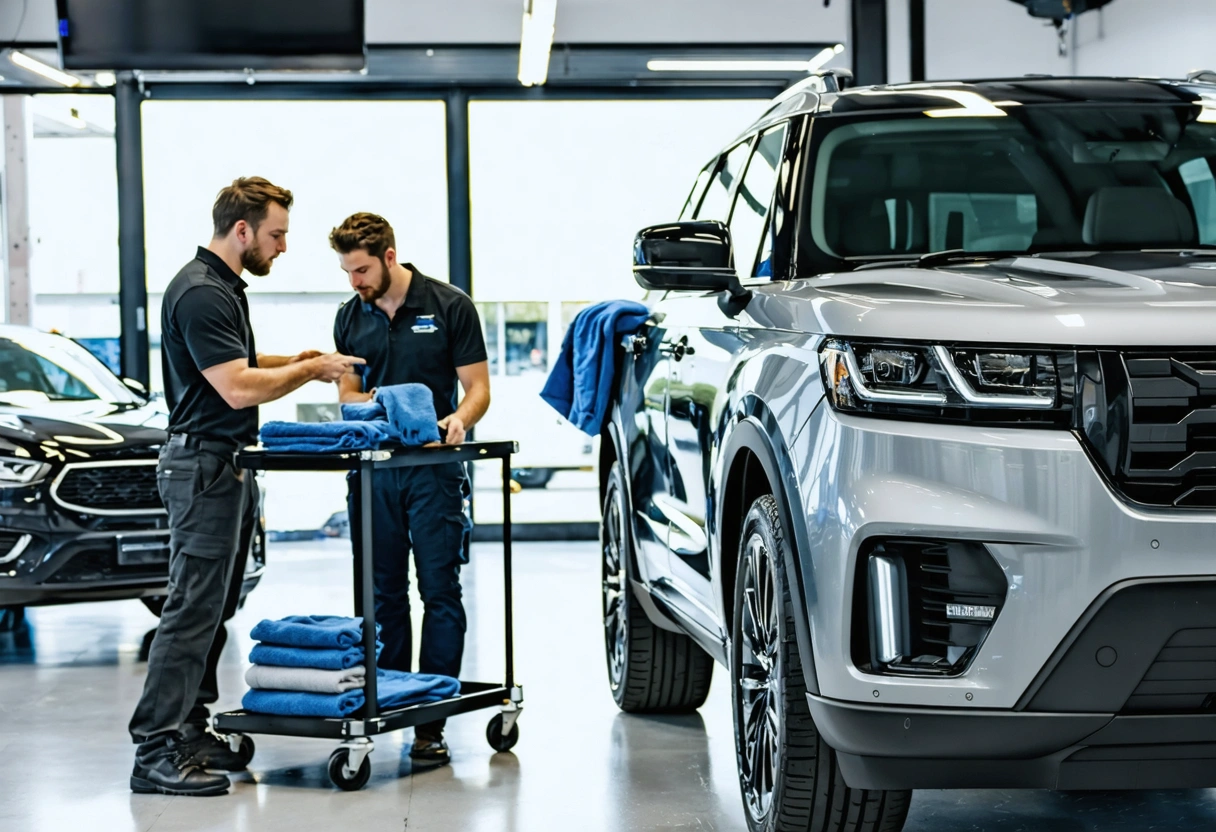
When washing a ceramic-coated vehicle, always use a pH-neutral car shampoo. Harsh detergents and household cleaning agents can degrade the coating, diminishing its protective qualities. A two-bucket wash method is advisable to minimize the risk of swirl marks. Use one bucket for soapy water and another for rinsing your wash mitt.
The Importance of Proper Drying
After washing, drying your vehicle properly is essential to prevent water spots, which can be particularly stubborn on ceramic coatings. Use a clean, plush microfiber towel to gently dry the surface. Avoid air drying or using abrasive materials, as these can cause scratches.
For an additional layer of protection, consider using a drying aid or a detail spray. These products not only make the drying process more efficient but also enhance the hydrophobic properties of the coating. It’s crucial to choose products that are compatible with ceramic coatings to avoid compromising their effectiveness.
Decontamination and Claying
Despite regular washing, some contaminants can bond to the surface, necessitating a deeper cleaning process known as decontamination. This step is crucial for maintaining the smoothness and cleanliness of the ceramic coating. Decontamination involves removing bonded contaminants such as tar, tree sap, and industrial fallout.
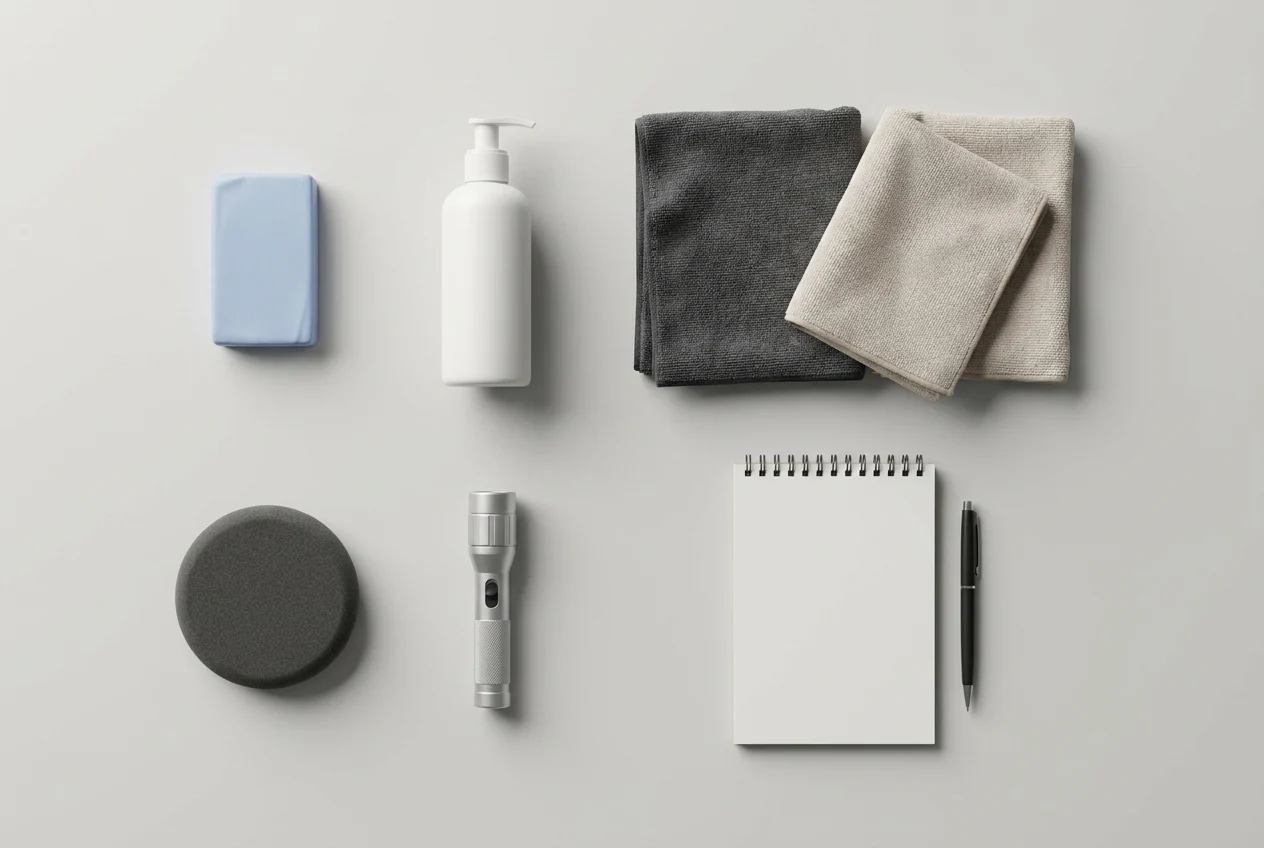
A clay bar or a synthetic clay alternative can be used for this process. These tools help lift stubborn contaminants from the surface without damaging the coating. It’s advisable to perform decontamination every few months, depending on your driving conditions and environment.
Choosing the Right Clay Bar
When selecting a clay bar, ensure it is designed for use on ceramic-coated surfaces. A fine-grade clay bar is typically sufficient for routine maintenance and is less likely to cause marring. Always use a dedicated lubricant to prevent scratching during the claying process.
After claying, it’s beneficial to apply a ceramic booster or a silica spray to rejuvenate the coating. These products help restore the coating’s gloss and hydrophobic properties, ensuring continued protection.
Inspecting and Repairing the Coating
Regular inspection of the ceramic coating is essential to identify any areas that may require attention. Over time, certain spots may lose their hydrophobic effect or become dull, indicating that the coating needs reinforcement. This can be due to environmental wear or improper maintenance practices.
If you notice any inconsistencies in the coating, a ceramic coating maintenance spray can be applied to refresh the surface. These sprays are designed to bond with the existing coating, enhancing its properties and restoring its appearance.
Professional Inspection and Touch-Ups
For those who prefer a professional touch, periodic inspections by a detailing expert can be beneficial. Professionals can identify issues that may not be visible to the untrained eye and provide solutions to restore the coating. They can also perform touch-ups if necessary, ensuring that your vehicle remains protected.
Many detailing services offer maintenance packages that include washing, decontamination, and reapplication of ceramic sealants. Investing in professional care can extend the life of your ceramic coating and maintain your vehicle’s aesthetic appeal.
Environmental Considerations
The environment plays a significant role in the longevity of a ceramic coating. Factors such as climate, exposure to pollutants, and driving conditions can affect the coating’s performance. Being mindful of these elements and taking preventative measures can help preserve the coating.
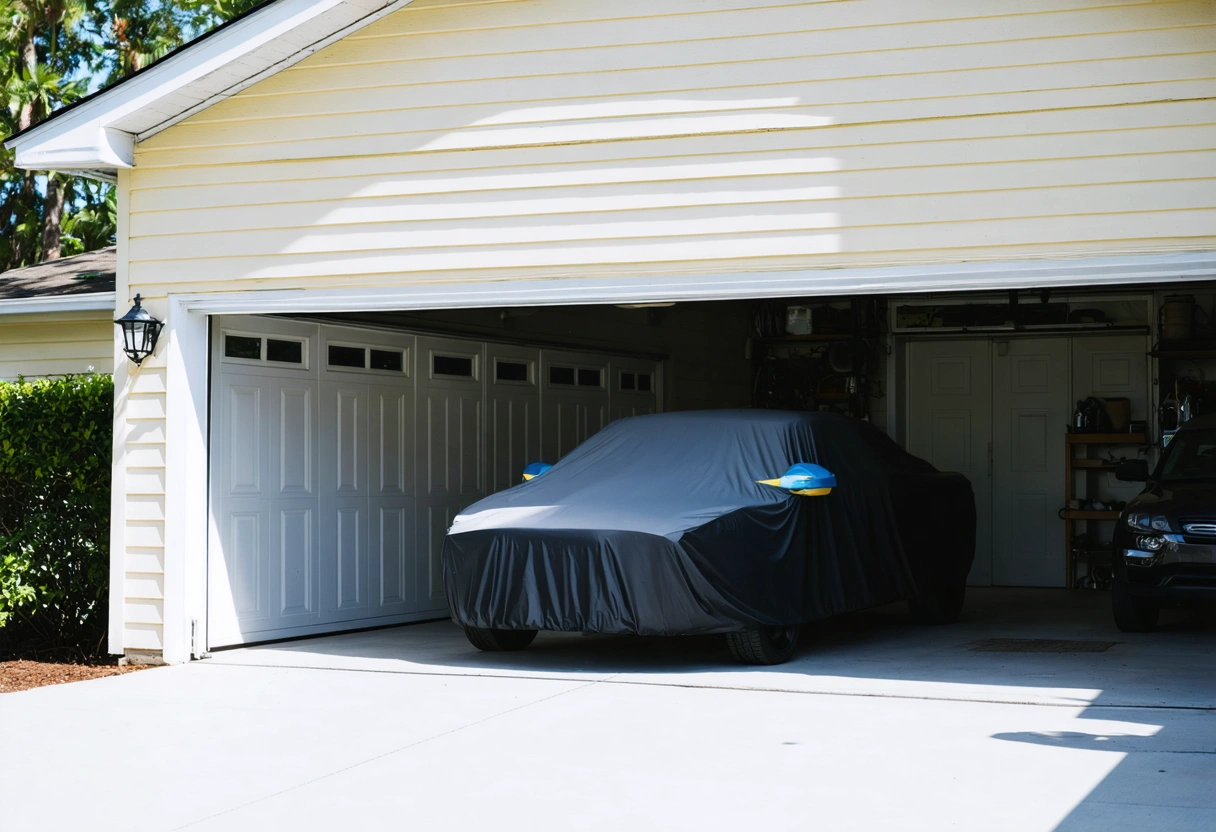
Parking your vehicle in a garage or under a car cover can protect it from harmful UV rays and environmental pollutants. If outdoor parking is unavoidable, consider using a sunshade to shield the interior and a high-quality car cover for the exterior.
Seasonal Maintenance Tips
Different seasons pose unique challenges for ceramic coatings. In winter, road salt and snow can degrade the coating, so frequent washing is necessary. In summer, the risk of UV damage and bird droppings increases, requiring vigilance and prompt cleaning.
Adapt your maintenance routine to the seasons, and use products designed to address specific environmental challenges. For instance, a ceramic coating booster with UV inhibitors can be particularly beneficial during the summer months.
Takeaways
Maintaining a ceramic coating involves more than just regular washing. It requires a comprehensive approach that includes decontamination, inspection, and adaptation to environmental conditions. By following these maintenance tips, you can ensure that your ceramic coating continues to protect and beautify your vehicle.
Remember, the key to long-lasting protection is consistency. Establish a routine, use the right products, and seek professional help when necessary. With proper care, your ceramic coating can provide lasting benefits, keeping your car looking its best for years to come.
For more information about ceramic coatings and their maintenance, consider exploring detailed resources on ceramic coatings and best practices for vehicle care from reputable automotive care websites.
As you continue to embrace the benefits of ceramic coating, it’s essential to stay informed about the latest advancements and techniques in the industry. The world of automotive care is ever-evolving, and keeping up with new products and methods can further enhance your maintenance routine.
Advancements in Ceramic Coating Technology
Ceramic coating technology has seen significant improvements over the years, with manufacturers developing new formulations that offer even greater protection and durability. These advancements have made ceramic coatings more accessible to a wider range of vehicle owners, while also enhancing their efficacy.
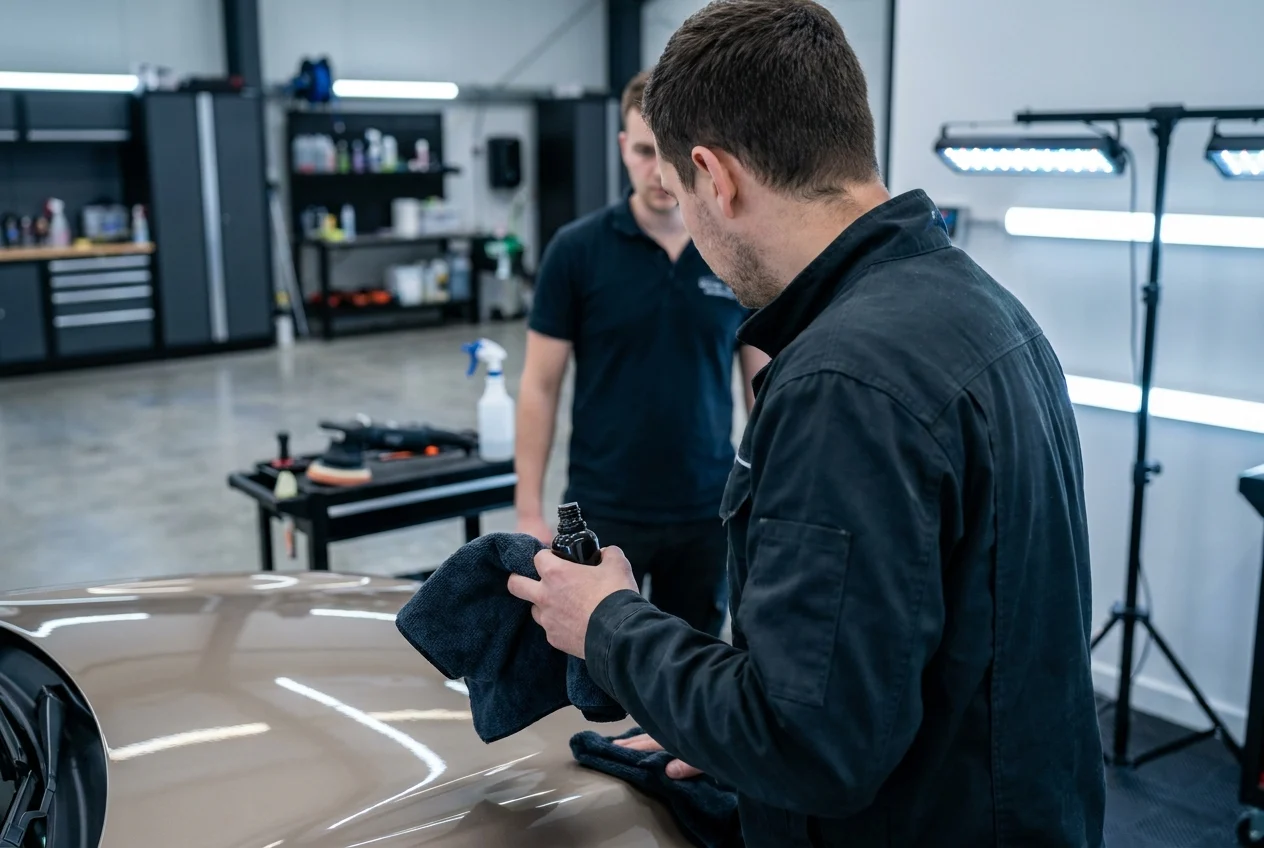
One of the latest trends in ceramic coatings is the integration of nanotechnology. Nanoparticles in the coating create a more compact and robust layer, offering superior resistance to scratches and chemical etching. This innovation not only extends the lifespan of the coating but also enhances its gloss and hydrophobic properties.
DIY vs. Professional Application
With the rise of user-friendly ceramic coating kits, many car enthusiasts are opting for DIY applications. While these kits provide an economical alternative to professional services, they require meticulous preparation and application to achieve optimal results. It’s crucial to follow the manufacturer’s instructions carefully and to ensure that the application environment is clean and controlled.
Conversely, professional application services offer expertise and precision, often resulting in a flawless finish. Professionals have access to high-grade products and tools that may not be available to the average consumer. They can also provide warranties and aftercare advice, adding value to the investment.
Common Myths About Ceramic Coating
Despite the growing popularity of ceramic coatings, several myths and misconceptions still persist. Understanding these myths can help you make informed decisions about your vehicle care routine and set realistic expectations for your ceramic coating.
One common myth is that ceramic coatings make vehicles completely scratch-proof. While they do provide an extra layer of protection, they cannot prevent all types of scratches, especially those caused by sharp or heavy objects. It’s important to continue practicing safe washing techniques and to avoid abrasive materials.
Ceramic Coatings Are Permanent
Another misconception is that ceramic coatings are permanent. Although they are long-lasting, they are not immune to wear and tear. Over time, exposure to harsh conditions and improper maintenance can diminish their effectiveness. Regular upkeep and periodic reapplication are necessary to maintain their protective qualities.
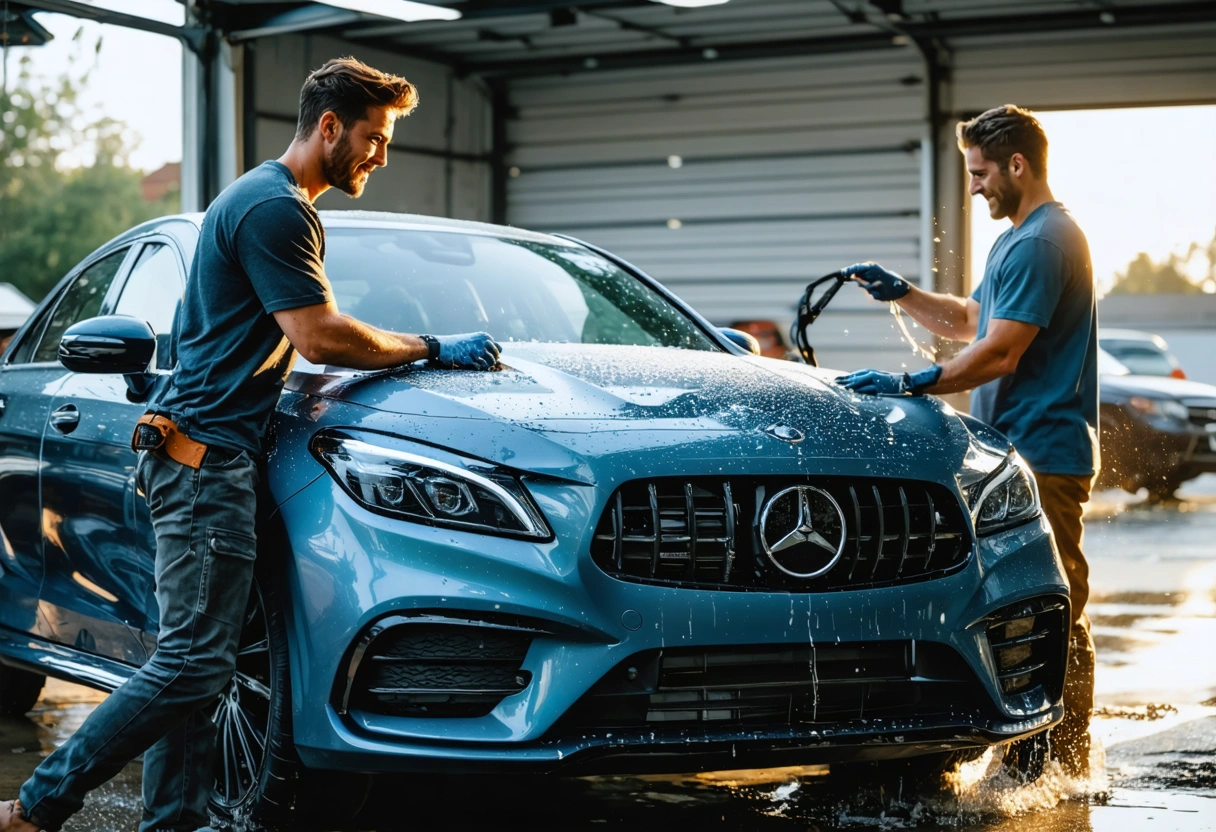
Lastly, some believe that ceramic coatings eliminate the need for washing. While they do make cleaning easier, regular washing is still essential to remove surface contaminants and maintain the coating’s appearance and performance.
Additional Resources and Support
For those looking to deepen their understanding of ceramic coatings, there are numerous resources available. Online forums and automotive care communities offer valuable insights and experiences from fellow enthusiasts. Engaging with these communities can provide practical tips and recommendations for maintaining your ceramic coating.
Furthermore, many manufacturers and detailing professionals offer educational content on their websites, ranging from application guides to maintenance tutorials. Exploring these resources can enhance your knowledge and help you implement effective care strategies.
Seeking Professional Guidance
If you’re unsure about any aspect of ceramic coating maintenance, seeking professional guidance is always a wise choice. Reputable detailing shops and automotive care specialists can provide personalized advice tailored to your vehicle’s specific needs.
Additionally, attending workshops or seminars on automotive care can expand your skill set and keep you informed about the latest industry trends and techniques. These events often feature demonstrations and expert panels, offering a hands-on learning experience.
In conclusion, maintaining a ceramic coating requires a proactive approach and a commitment to regular care. By embracing the latest advancements, dispelling common myths, and leveraging available resources, you can ensure that your ceramic coating continues to deliver exceptional protection and aesthetics. Stay informed, stay vigilant, and enjoy the enduring benefits of ceramic coatings for your vehicle.
Need help with Ceramic Coating Maintenance Tips for Long-Lasting Protection?