



A new car may look flawless at delivery, but its paint begins facing environmental damage as soon as it leaves the dealership. Ultraviolet exposure, bird droppings, bug residue, road grime, water spots, and improper washing can gradually reduce gloss and make routine care more difficult.
Applying ceramic coating soon after purchase can help preserve the vehicle’s appearance, but timing alone does not guarantee good results. The value of the treatment depends on paint condition, preparation quality, product durability, driving habits, and the owner’s expectations.
What Ceramic Coating Does for Factory Paint
Ceramic coating is a liquid protective product that cures on top of automotive clear coat. Once applied correctly, it creates a slick, hydrophobic surface that causes water to bead and helps prevent dirt and contaminants from bonding as strongly to the paint. This can make regular washing easier and help the vehicle maintain a glossy appearance.
The coating also provides a sacrificial layer against chemical contamination, oxidation, ultraviolet exposure, bug residue, and bird droppings. These substances can still affect a coated vehicle if they remain on the surface for too long, but the coating gives the clear coat an additional level of protection and provides more time for safe removal.
What It Cannot Protect Against
Ceramic coating is not a substitute for paint protection film, and it does not make paint resistant to every type of damage. It generally cannot stop rock chips, deep scratches, parking lot impacts, or dents. Fine wash marks can also develop when abrasive tools, dirty towels, or poor washing techniques are used.
Marketing terms such as scratch resistant should be interpreted carefully. A quality coating may reduce light marring by creating a harder and slicker surface, but the vehicle still requires gentle washing and proper maintenance. Its strongest benefits are chemical resistance, easier cleaning, enhanced gloss, and longer lasting surface protection.
Why Early Application Can Be Beneficial
Applying ceramic coating to a new car limits the amount of time its clear coat remains directly exposed to everyday contamination. When protection is installed early, owners may avoid some of the staining, oxidation, and bonded debris that can accumulate during the first months of driving. Early application can be especially valuable for vehicles parked outdoors or driven frequently in harsh weather.
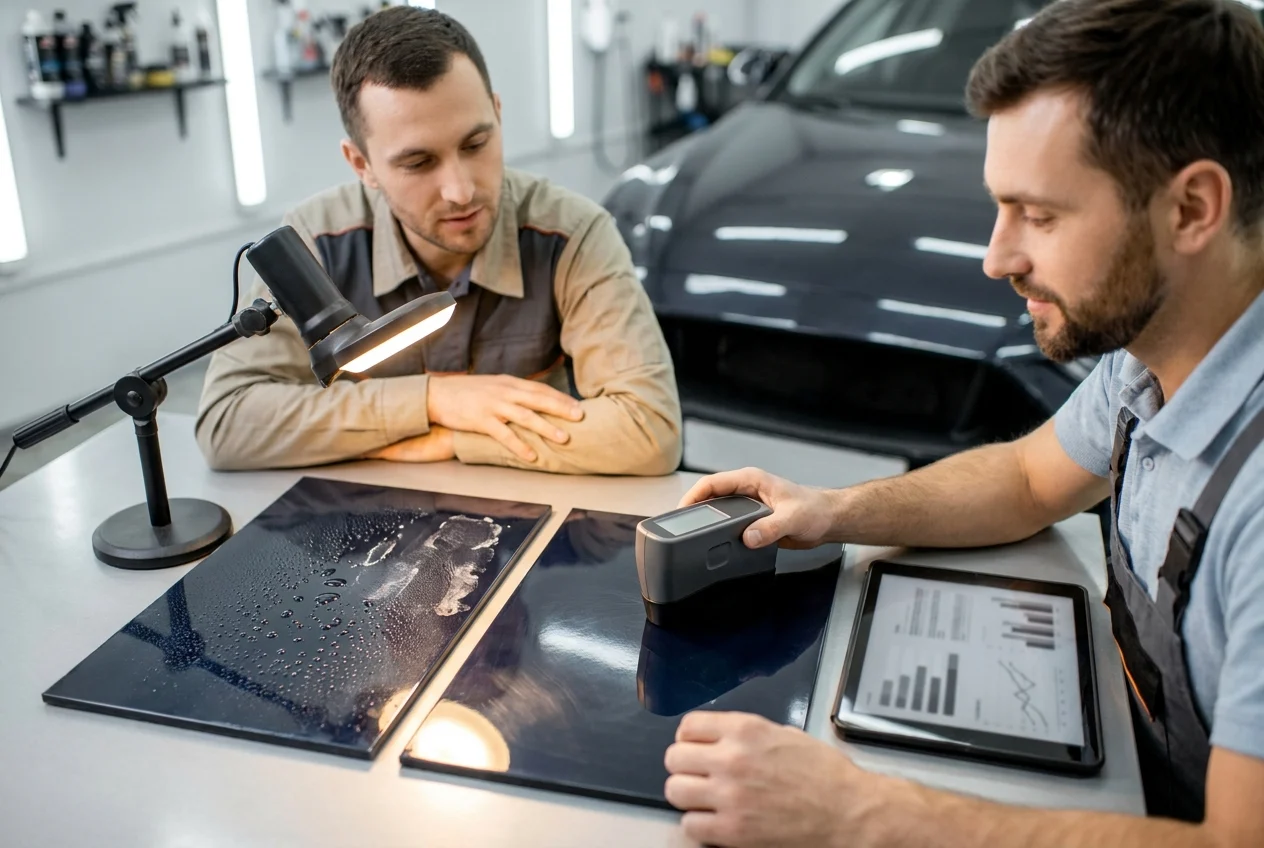
New paint may also require less correction than older paint, which can reduce preparation time and cost. However, a recently purchased vehicle is not automatically free from defects. Dealership washing, transport, storage, adhesive removal, and showroom cleaning can leave swirl marks, water spots, or light scratches that become more noticeable under inspection lighting.
Why Paint Preparation Still Matters
Before ceramic coating is applied, the vehicle should be thoroughly washed, chemically decontaminated, and inspected. Clay treatment may be needed to remove bonded particles, while machine polishing may be recommended to correct visible defects and improve clarity.
Coating over contamination or paint defects can lock in an uneven appearance and weaken product performance. For this reason, professional preparation often contributes more to the final result than the age of the vehicle.
When to Apply Ceramic Coating After Purchase
In many cases, ceramic coating can be applied within days of taking delivery. Factory paint is cured during the manufacturing process, so a new vehicle generally does not require a long waiting period before coating.
Fresh body shop paint may need time to release solvents before it is sealed. The appropriate waiting period depends on the paint system and repair process, so owners should follow the body shop or paint manufacturer’s guidance.
Protecting the Car Before the Appointment
If a professional installation is scheduled shortly after delivery, avoid automatic car washes and unnecessary dealership detailing. Brush washes and reused towels can introduce swirl marks that require additional polishing.
Contaminants should still be removed promptly while the vehicle is waiting for its appointment. Bird droppings, insects, tree sap, and hard water can stain unprotected clear coat, even on a brand new car.
Professional Installation Versus a Do It Yourself Coating
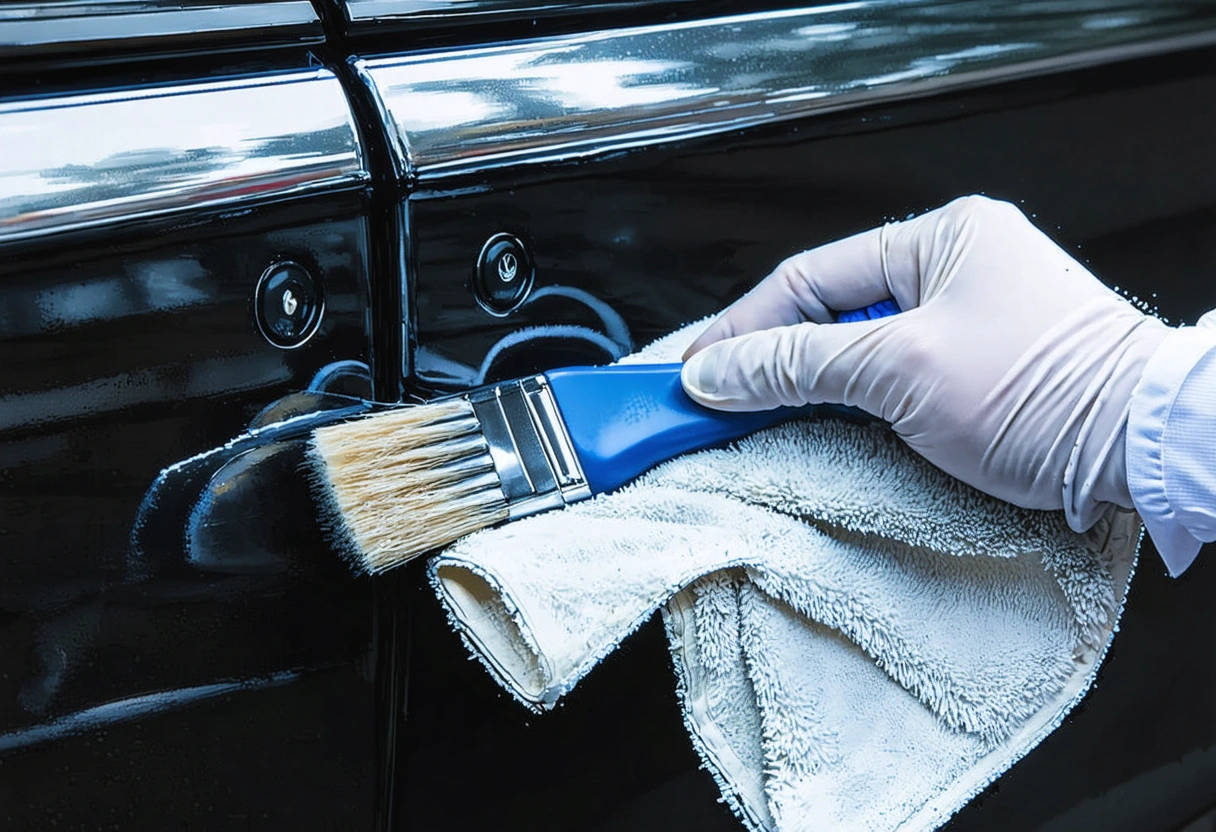
Professional ceramic coating services usually include inspection, decontamination, paint correction, controlled application, and curing guidance. Experienced installers can identify high spots, thin coverage, polishing defects, and environmental conditions that may affect bonding.
A do it yourself coating can cost less and may be suitable for an owner who has a clean workspace, proper lighting, detailing experience, and enough time to prepare the vehicle carefully.
Application Conditions Affect the Result
Temperature, humidity, lighting, dust, and moisture can influence coating application. The vehicle should generally be kept indoors on a clean, dry surface while the product is applied and begins curing.
High spots are areas where excess coating cures unevenly and appears darker, smeared, or rainbow colored under certain lighting. They may require polishing to remove after the product hardens.
Understanding Cost and Long Term Value
The cost of ceramic coating depends on vehicle size, paint condition, product type, correction requirements, and local labor rates. A new compact car with minimal defects may need only light polishing, while a large vehicle with dealership swirls and water spots may require considerably more work.
Professional packages can range from an entry level coating with limited durability to a multiyear system that includes separate products for paint, trim, glass, wheels, or interior surfaces.
Potential Savings and Practical Benefits
Ceramic coating does not eliminate detailing expenses, but it can reduce the effort needed for routine cleaning. Dirt often releases more easily, drying may be faster, and owners may need fewer short term wax or sealant applications.
The financial return is harder to measure. Coating may help preserve appearance and make a vehicle more attractive at resale, but it rarely increases resale value enough to recover every dollar spent.
How Driving and Parking Conditions Affect the Decision
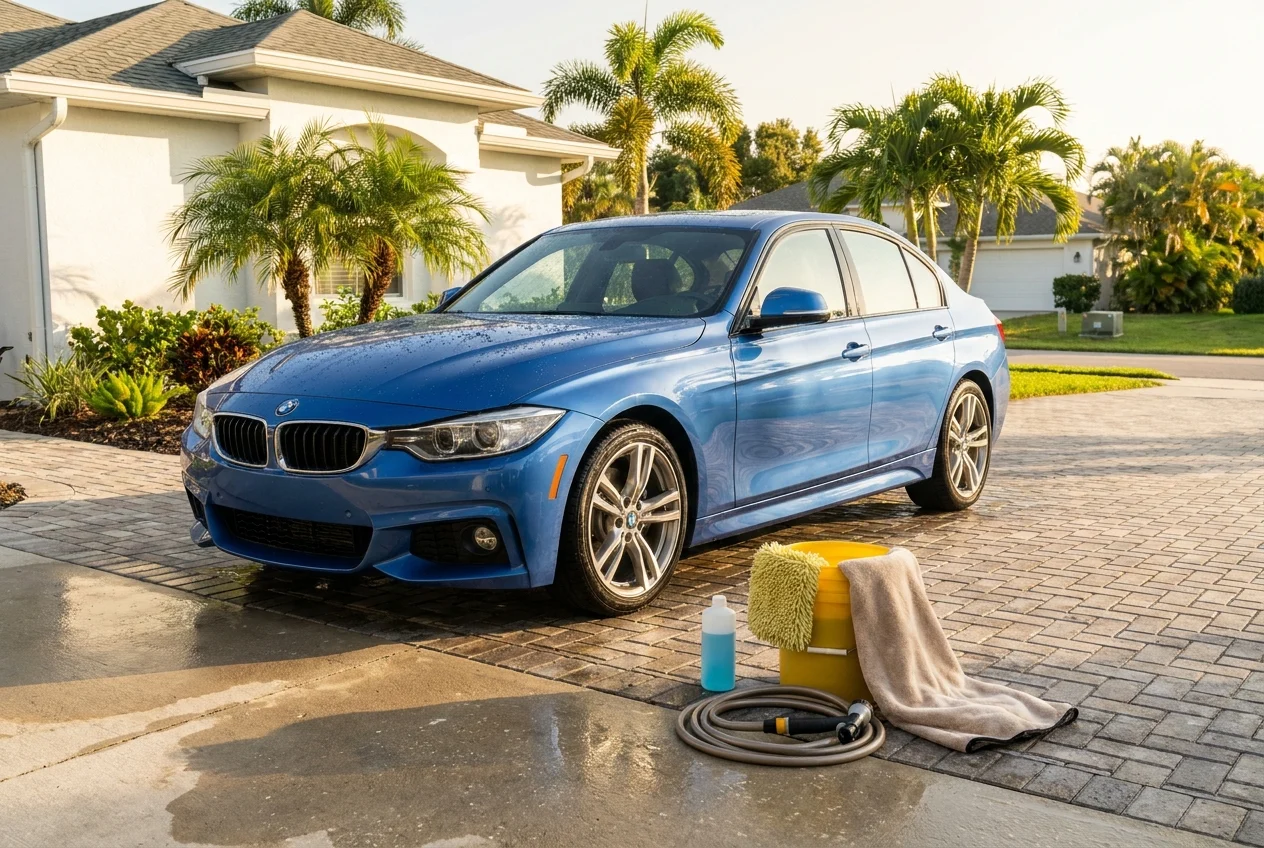
A daily driven vehicle parked outdoors receives more potential benefit than a car stored in a climate controlled garage and used occasionally. Strong sunlight, industrial fallout, coastal salt, winter road chemicals, tree sap, and frequent insect exposure all increase the burden placed on automotive paint.
Drivers who travel long highway distances should remember that ceramic coating will not prevent stone chips. Combining paint protection film on vulnerable areas with ceramic coating on the remaining surfaces can provide broader protection.
Owners Who May Benefit Most
Ceramic coating is often a good fit for owners who plan to keep their car for several years, value a consistently glossy finish, and are willing to wash it correctly.
The treatment may offer less value to someone who regularly uses aggressive automatic washes, rarely removes contamination, or expects the coating to make the vehicle maintenance free.
Maintenance Requirements After Coating
A ceramic coating needs routine care to maintain its water behavior and contamination resistance. The vehicle should be washed regularly with coating compatible products and clean tools.
Touchless washing can remove loose dirt, but it may not fully clean bonded road film. Contact washing is often necessary, provided that it is performed with clean wash media, sufficient lubrication, and minimal pressure.
Curing and the First Wash
Freshly applied coatings need time to cure. Depending on the product and installation method, the vehicle may need to remain dry for a specified period, and washing may need to be postponed for several days.
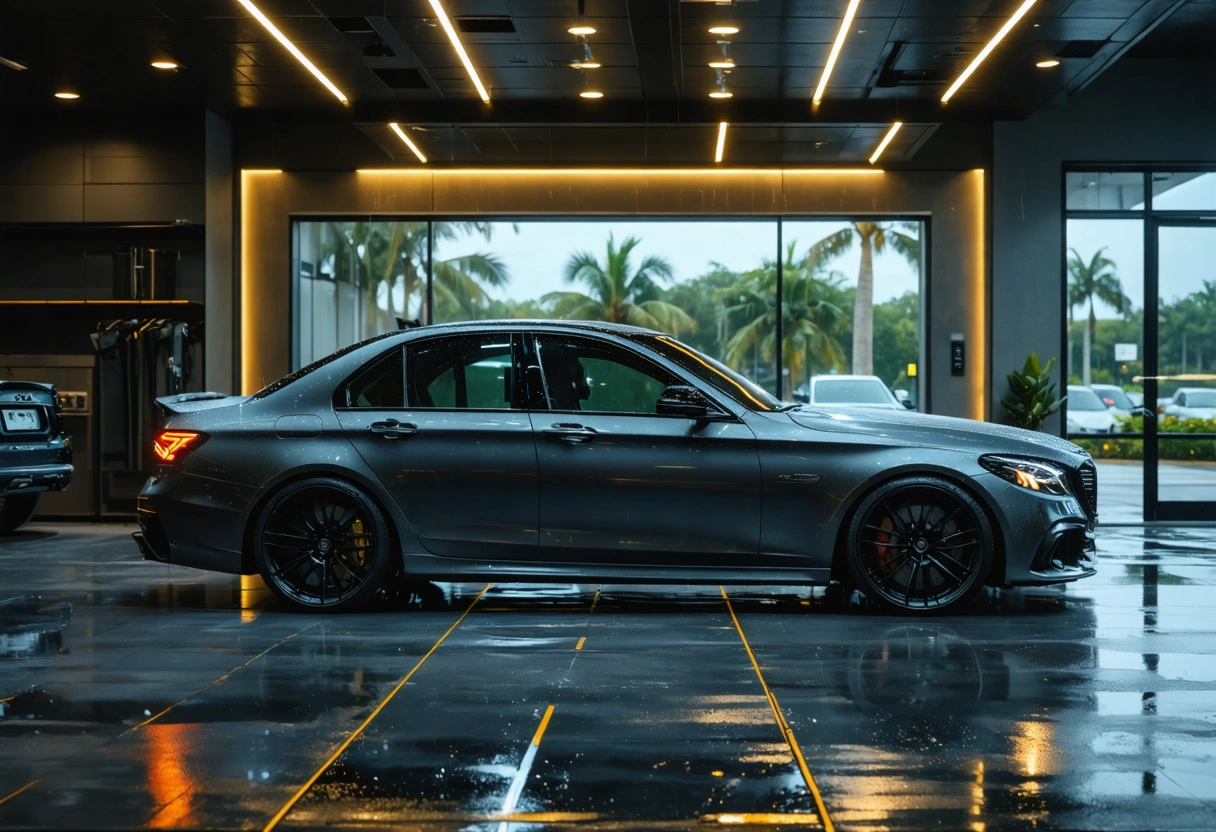
If the vehicle becomes wet during the early curing period, water should not be allowed to dry and form mineral spots. The installer should be contacted for product specific advice rather than wiping the surface aggressively.
Why Hydrophobic Behavior May Decline
Reduced water beading does not always mean the coating has failed. Road film, mineral deposits, soap residue, and environmental contamination can cover the coating and reduce its apparent slickness.
Maintenance toppers can improve gloss and water repellency, but they should be compatible with the coating. Applying random waxes or silicone heavy products may temporarily change surface behavior and make it difficult to judge the coating’s actual condition.
Questions to Ask Before Choosing an Installer
Owners should ask what preparation is included, whether paint correction is priced separately, and how the installer determines the appropriate level of polishing. It is also useful to confirm which exterior surfaces will be coated and whether wheels, glass, trim, and door jambs are included or offered as separate services.
Durability claims should be accompanied by clear maintenance requirements. Ask whether inspections are mandatory, what actions may void the warranty, and whether water spotting, scratches, staining, or loss of gloss are actually covered.
A reputable installer should set realistic expectations and explain that the coating is not chip proof or scratch proof. The work area, inspection process, paint thickness considerations, curing procedure, and aftercare support are all relevant when comparing services.
Common Mistakes to Avoid With a New Car
One common mistake is assuming new paint needs no correction. Another is choosing a package based only on advertised longevity. Skipping decontamination, coating over water spots, or applying product in poor conditions can reduce durability and leave visible defects beneath the coating.
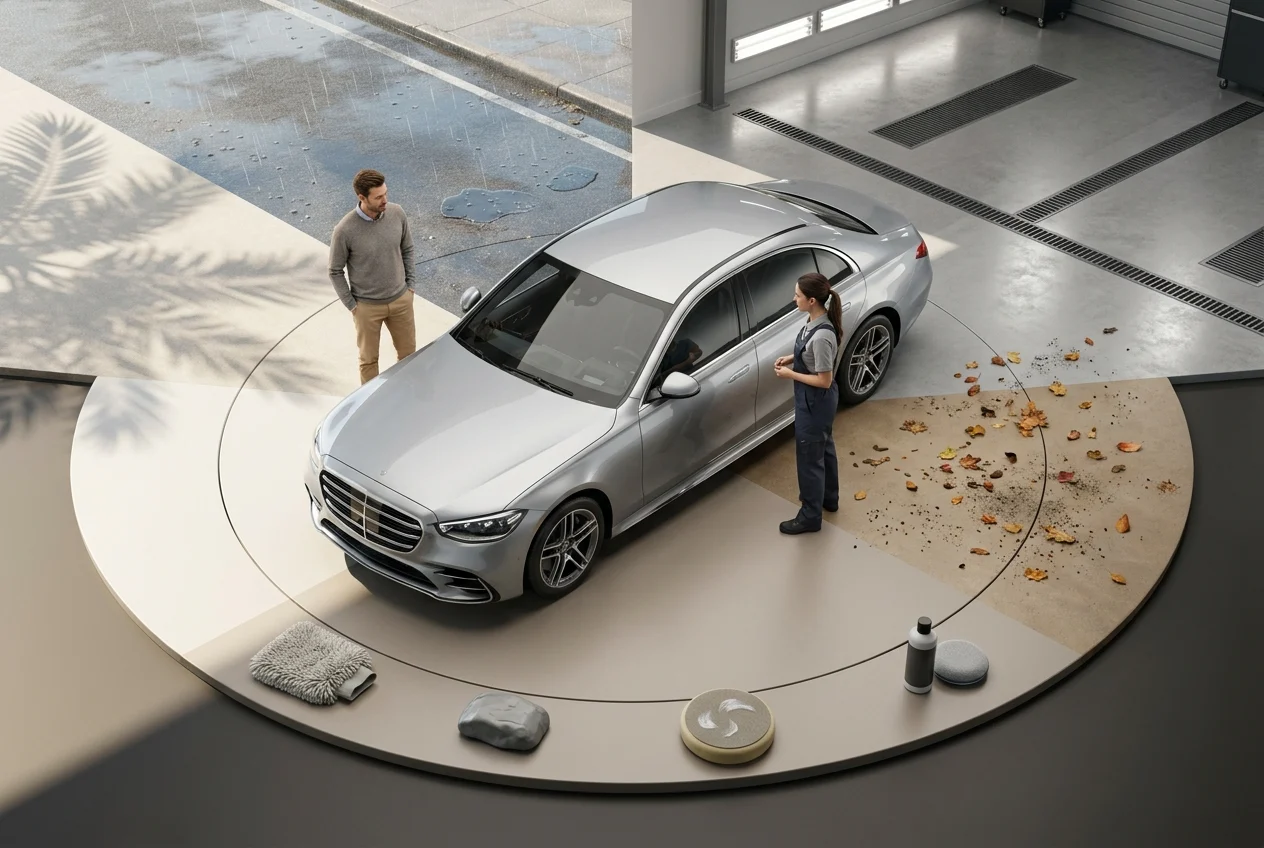
Owners should also avoid treating ceramic coating as permanent protection. Its lifespan depends on product quality, preparation, mileage, climate, storage, and maintenance. Even a multiyear coating may require periodic decontamination and eventually need polishing or reapplication.
Allowing the Dealership to Prepare the Paint
Dealership preparation may be convenient, but washing methods vary. If ceramic coating is planned, owners can request that the dealership avoid washing, waxing, or applying paint sealants before delivery.
Choosing Durability Over Installation Quality
A carefully installed shorter term coating can perform better than a poorly applied product with a longer advertised lifespan. Installer experience, paint preparation, application conditions, and aftercare have a substantial effect on real world results.
Is Ceramic Coating Worth It on a New Car?
Ceramic coating can be worthwhile immediately after purchase when the owner wants easier cleaning, stronger resistance to environmental contamination, and longer lasting gloss. Applying it early minimizes unprotected exposure and may require less paint correction than waiting several years.
It is not essential for every new vehicle. Owners who expect protection from chips, deep scratches, or neglected maintenance may be disappointed. For impact protection, paint protection film is the more appropriate option, while ceramic coating remains best suited to improving chemical resistance, appearance, and washability.
The best decision depends on how the car is used, where it is parked, how long it will be owned, and whether proper maintenance is realistic.
Need help with Ceramic Coating for New Cars: Is It Worth It Right After Purchase??