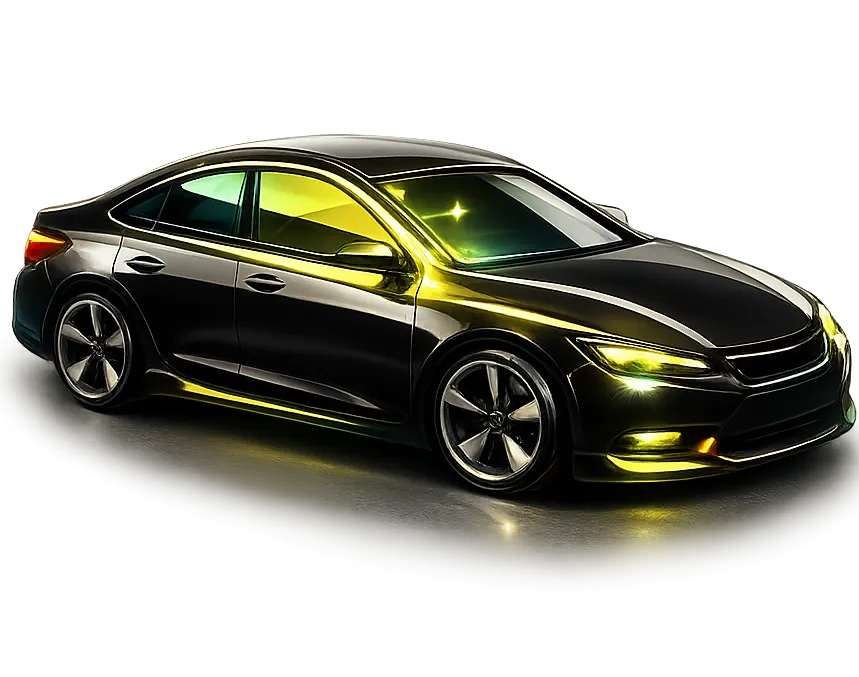





Window tint is built to handle daily sun exposure, changing temperatures, and regular use, but it is not a permanent upgrade. Over time, the film, adhesive, dyes, and protective layers can begin to break down, especially when exposed to harsh sunlight or improper cleaning products.
Understanding the expected lifespan of window tint helps you plan for replacement before the film becomes unattractive, less effective, or difficult to remove. Whether the tint is on a vehicle, home, or commercial building, the signs of aging often appear gradually before they become obvious.
What Affects the Lifespan of Window Tint?
The life of window tint depends heavily on the quality of the film. Basic dyed films are usually the most affordable option, but they tend to fade faster because the color is more vulnerable to ultraviolet exposure. Higher quality films, such as carbon, ceramic, and metalized options, are designed to resist fading, heat damage, and adhesive failure for a longer period of time.
Installation quality also plays a major role in how long tint lasts. A professional installation helps ensure the film is applied to clean glass, properly fitted to the window, and sealed without trapped debris or excess moisture. Poor installation can lead to bubbling, peeling, haziness, and edge lifting much earlier than expected.
Sun Exposure and Climate Conditions
Windows that receive intense direct sunlight throughout the day usually experience faster tint wear. Heat and ultraviolet rays can weaken the adhesive layer, fade the film, and cause the tint to lose some of its original appearance and performance. This is especially common in hot climates where vehicles and buildings are exposed to prolonged summer temperatures.
Cold weather can also affect window film, particularly when temperature swings cause expansion and contraction of the glass and adhesive. While quality tint is designed to tolerate seasonal changes, constant exposure to extreme conditions can shorten its useful life.
Typical Lifespan by Window Tint Type
Different types of window tint age at different rates. Standard dyed window film may last several years with proper care, but it is usually the first to show noticeable fading or discoloration. This type of film is often chosen for appearance and basic glare reduction, but it may not provide the longest lasting performance.

Carbon and ceramic window films generally offer a longer lifespan because they are made with more stable materials. Ceramic tint, in particular, is known for strong heat rejection, ultraviolet protection, and color stability. While it often costs more upfront, it can maintain its appearance and performance longer than entry level film.
Automotive, Residential, and Commercial Tint Differences
Automotive window tint often faces constant stress from sun exposure, rolling windows, interior heat buildup, and frequent cleaning. Because of this, the lifespan can vary widely depending on the vehicle’s storage conditions, the film type, and how often the windows are used.
Residential and commercial window tint may last longer in many cases because the film is typically installed on fixed glass. However, large windows that face direct sun for much of the day can still experience fading, edge wear, or adhesive breakdown over time.
How Long Does Window Tint Usually Last?
In general, lower quality dyed window tint may last around 3 to 5 years before fading, bubbling, or discoloration becomes noticeable. Mid range films may last closer to 5 to 10 years with proper installation and care.
These timelines are only general estimates. A vehicle parked outside every day in intense sun may need tint replacement much sooner than a garage kept vehicle with the same film.
Manufacturer warranties can provide a helpful indication of expected film life, but they do not always guarantee that the tint will look perfect forever. Warranties often cover specific defects, such as bubbling, peeling, adhesive failure, or unusual discoloration, and may depend on professional installation and proper care.
Common Signs It Is Time to Replace Window Tint
Window tint usually gives visible warning signs before it fails completely. Some signs are cosmetic, while others indicate that the film is no longer providing the same level of heat rejection, glare control, privacy, or ultraviolet protection.

Bubbling or Blistering Film
Bubbles are one of the most obvious signs that window tint is failing. Small bubbles may appear when the adhesive begins to separate from the glass.
Some minor moisture haze after a fresh installation can be normal during the curing period, but true bubbling that appears months or years later is usually a sign of adhesive breakdown.
Peeling Edges or Corners
Peeling often starts at the edges of the film, especially near the top of automotive side windows or along corners where the film is frequently touched or cleaned.
On vehicles, rolling the windows up and down can make edge peeling worse. On homes and commercial buildings, repeated cleaning or contact with window coverings may contribute to lifting edges.
Fading or Color Changes
Fading is especially common with older dyed window films. A tint that was once dark and uniform may gradually become lighter, uneven, or washed out.
Faded tint does more than affect appearance. It may also signal that the film is no longer performing as intended. If the tint has lost its original color stability, it may also have reduced glare control and lower overall solar protection.
Cloudiness or Hazy Visibility
Window tint should improve comfort without making the glass look foggy or unclear. If the film develops a cloudy, milky, or hazy appearance that does not clean away, the adhesive or film layers may be deteriorating.
Haze can also make windows look dirty even after cleaning. If the problem is inside the film rather than on the surface, normal glass cleaner will not fix it.
Scratches, Cuts, or Surface Damage
Light surface wear can happen over time, but deep scratches, cuts, or worn patches may reduce the tint’s appearance and performance. Automotive tint can be scratched by seat belts, pets, cargo, jewelry, or abrasive cleaning tools.
Once the scratch resistant coating is compromised, the film may become more vulnerable to future damage. If the damage is in a high visibility area or affects a large section of glass, replacement is often more practical than trying to hide the imperfection.
Reduced Heat Rejection or Glare Control
Sometimes tint failure is felt before it is seen. If a room or vehicle interior feels noticeably hotter than it used to, or if glare has become harder to manage, the film may have lost some of its performance.
While clear glass, weather changes, and seasonal sun angles can affect comfort, a consistent drop in heat rejection may indicate that the tint is aging.
When Repair Is Not Enough
Some window tint problems cannot be repaired effectively. A small lifted corner, a few isolated bubbles, or a minor scratch may seem simple to fix, but window film is not designed to be patched like paint or upholstery.
Trying to reattach old tint with heat, pressure, or household adhesives can make the glass look worse and may leave behind additional residue. It can also make professional removal more difficult later.
Why Matching Old Tint Can Be Difficult
Replacing only one section of tint may not always produce a perfect match. Older film may have faded over time, even if the change is subtle.
This is especially important for vehicles, storefronts, and homes with multiple matching windows. If appearance consistency matters, replacing tint on an entire side, full vehicle, or complete window set may produce a cleaner result than replacing only one panel.
How Proper Care Helps Tint Last Longer
Good maintenance can extend the life of window tint and reduce the risk of early damage. After installation, the film needs time to cure before the windows are cleaned or rolled down.
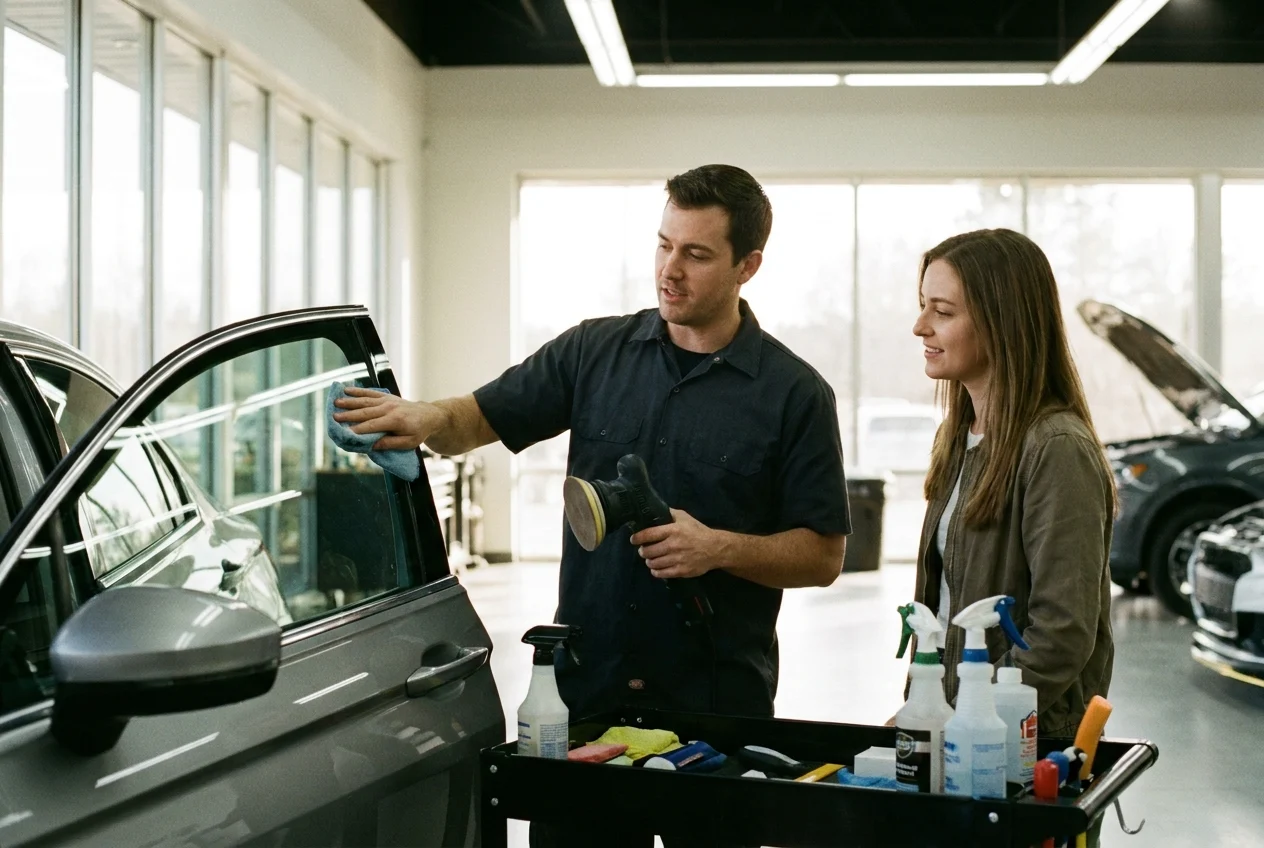
Once the film has cured, it should be cleaned with soft microfiber towels and tint safe cleaning solutions. Ammonia based cleaners, rough scrub pads, razor blades, and abrasive tools can damage the film surface or weaken the adhesive near the edges.
Cleaning Habits That Protect Window Film
Using gentle cleaning methods is one of the easiest ways to protect tinted windows. Spray cleaner onto the towel rather than soaking the window, especially near film edges.
For automotive windows, be careful when loading items into the vehicle or allowing pets near the glass. For residential and commercial windows, keep sharp decor, metal blinds, and furniture edges from rubbing against the film.
Removal and Replacement Considerations
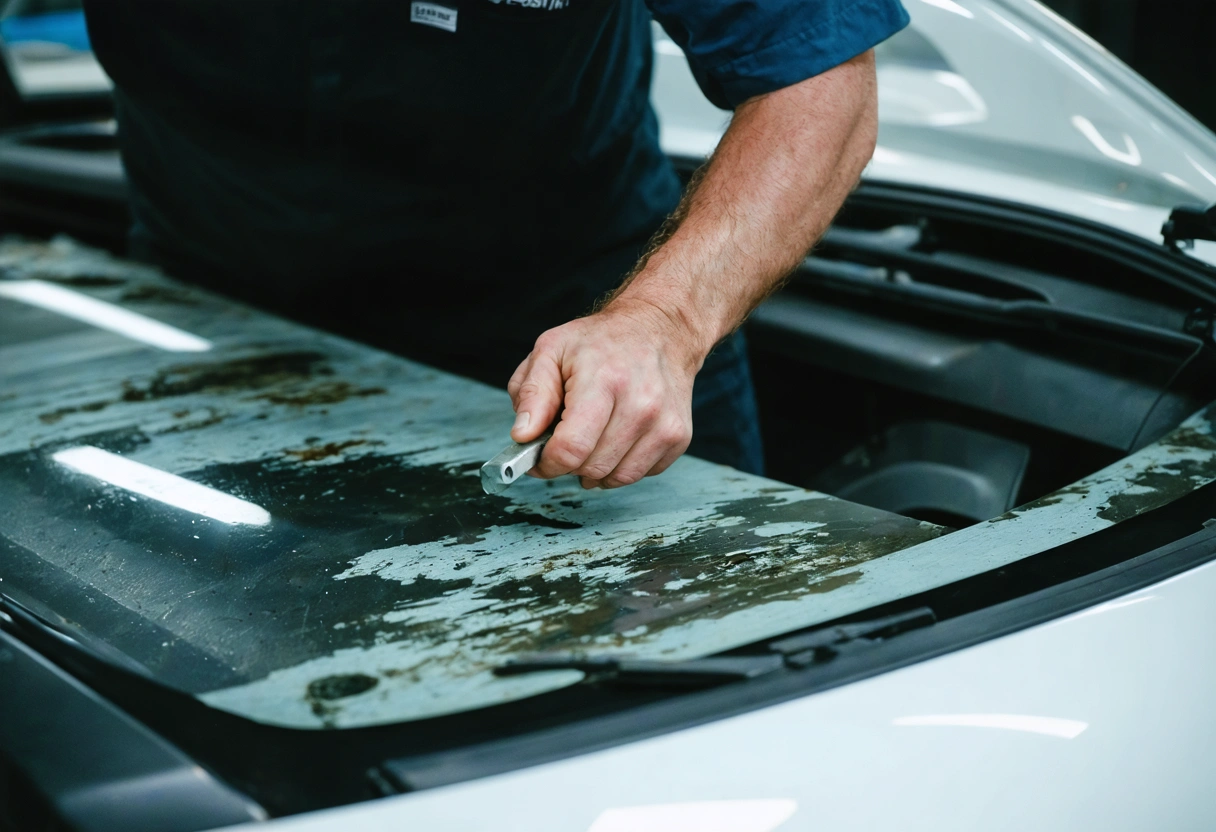
When tint reaches the end of its useful life, proper removal is important. Old film can leave behind adhesive residue, especially if it has been exposed to years of heat and sunlight.
Professional removal helps reduce the risk of scratched glass, damaged defrosters, and leftover adhesive. After the old film is removed, the glass must be thoroughly cleaned before new tint is applied.
Choosing the Right Replacement Film
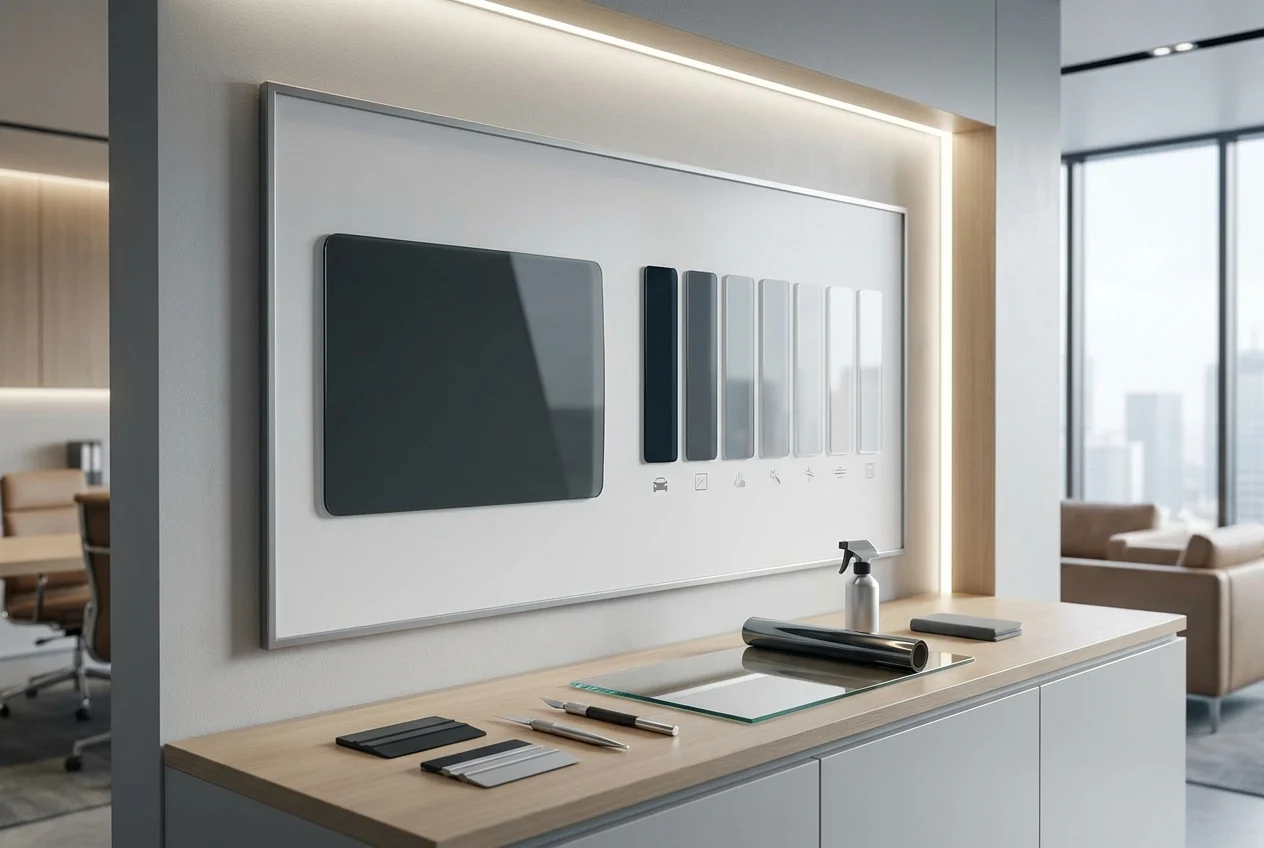
When replacing old tint, it is worth considering whether the original film type still meets your needs. If the previous tint faded quickly or did not provide enough heat rejection, upgrading to a carbon or ceramic film may offer better long term performance.
Shade level is also important. Darker film does not always mean better heat rejection, especially when comparing older dyed films to modern ceramic options. A lighter premium film may outperform a darker basic film while maintaining better visibility and a more natural look.
How to Know If Your Tint Is Still Performing Well
Good window tint should still look smooth, clear, and consistent across the glass. It should not have widespread bubbles, peeling edges, unusual discoloration, or a hazy appearance.
If you are unsure whether your tint is aging normally or beginning to fail, compare windows that receive different levels of sun exposure. A window that faces constant sun may look lighter, cloudier, or more worn than a shaded window with the same film.
Key Takeaway
Window tint can last for several years or more than a decade depending on the film type, installation quality, climate, sun exposure, and maintenance habits.
Replacing worn tint at the right time helps restore appearance, visibility, privacy, and solar protection. Choosing a higher quality film and caring for it properly can also help the next installation last longer and perform better over time.
Need help with How Long Does Window Tint Last? Signs It’s Time to Replace Your Film?