





Florida driving exposes your vehicle to intense sunlight, heat, rain, road grime, insects, bird droppings, and other contaminants that can gradually diminish its appearance. Regular washing helps, but it may not provide the lasting protection needed to keep exterior surfaces looking clean and glossy.
Professional ceramic coating creates a durable, hydrophobic layer that bonds with a vehicle’s clear coat. Recognizing the early signs that your vehicle could benefit from this protection can help you preserve its finish and make routine maintenance easier.
Why Florida Vehicles Need More Than Routine Washing
Frequent sun exposure can accelerate oxidation, fading, and clear coat deterioration. Vehicles in Port Charlotte and throughout Southwest Florida also encounter heavy rain, humidity, pollen, salt in coastal air, and stubborn organic contaminants. When these elements remain on the paint, they can contribute to staining and long term surface damage.
Wax and paint sealants can provide temporary gloss and protection, but they generally require frequent reapplication. Ceramic coating offers a longer lasting barrier with strong water repelling properties, helping reduce how easily dirt and contaminants cling to treated surfaces. It does not make a vehicle maintenance free, but it can make proper washing more manageable while helping preserve the paint’s depth and shine.
Common Warning Signs on Your Vehicle’s Exterior
1. Your Paint Quickly Looks Dirty After Washing
If your vehicle appears dusty or grimy shortly after every wash, contaminants may be bonding easily to the clear coat. This is especially common when a finish has little remaining wax or sealant protection. Water spots, pollen, insect residue, and road film can become more noticeable and more difficult to remove over time.
The slick, hydrophobic surface created by ceramic coating helps water bead and roll away more readily. Dirt can still collect on a coated vehicle, but it is less likely to adhere as strongly, which can simplify regular cleaning and help the exterior stay presentable longer between washes.
2. Water No Longer Beads on the Surface
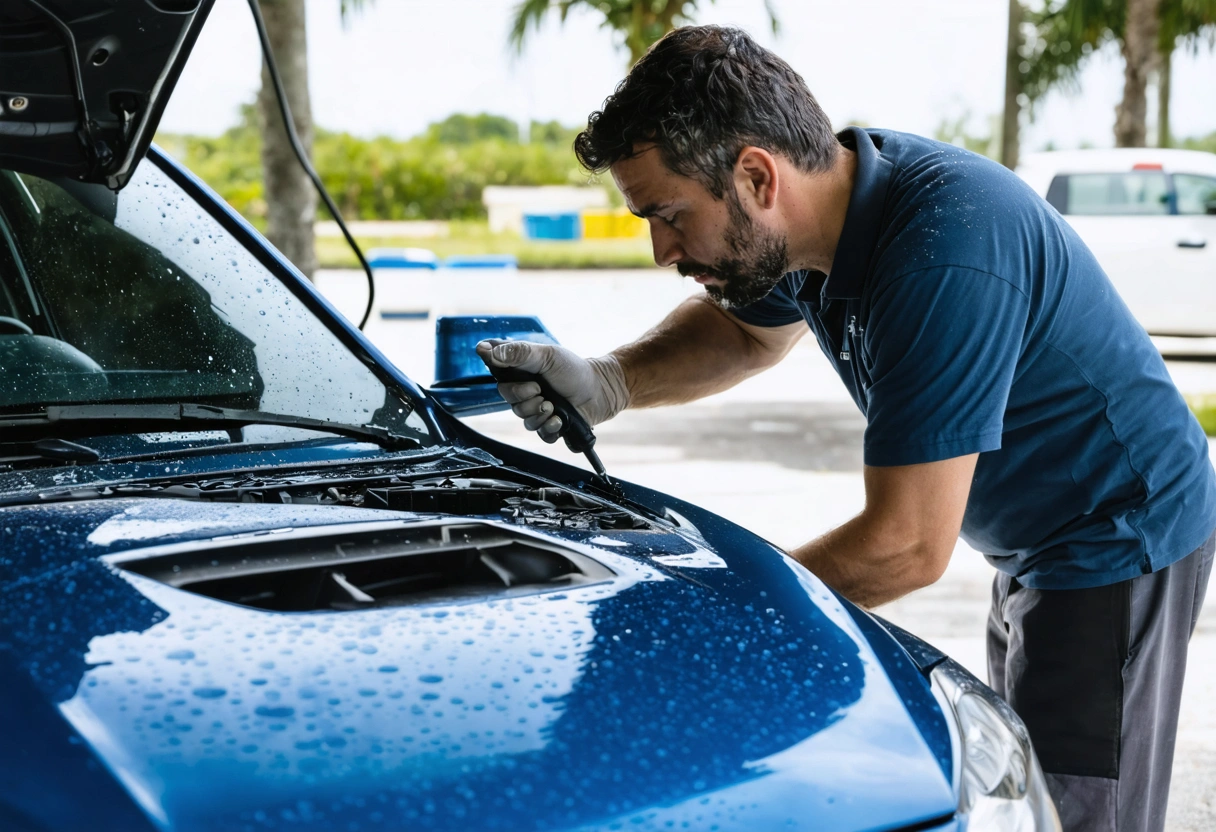
Water behavior can reveal whether your vehicle has an effective protective layer. If rainwater spreads into broad, flat sheets and lingers on the paint, existing wax or sealant protection may have weakened. Standing water can leave behind mineral deposits as it evaporates, particularly in Florida’s heat.
Ceramic coating increases surface hydrophobicity, causing water to form tighter beads and slide away more easily. Although prompt drying and proper maintenance are still important, this water repelling performance can reduce lingering moisture and make it easier to care for the finish.
3. The Finish Looks Dull or Lacks Depth
A vehicle’s paint can gradually lose its rich, reflective appearance because of ultraviolet exposure, environmental fallout, improper washing, and worn protection. Even when the exterior is clean, it may look flat or hazy under direct sunlight. Dark colors often make this loss of gloss especially noticeable.
Professional paint preparation followed by ceramic coating can enhance gloss and bring out greater depth in the finish. Because ceramic coating is transparent, it does not change the paint color. Instead, it creates a smooth, reflective layer that can make properly prepared paint appear richer and more polished.
It is important to understand that ceramic coating does not conceal significant scratches, oxidation, or other existing defects. The surface may require decontamination and paint correction before the coating is applied. Proper preparation helps improve the final appearance and allows the coating to bond effectively.
4. Bird Droppings, Insects, and Tree Sap Are Frequent Problems
Bird droppings, insect residue, and tree sap can be highly damaging when left on automotive paint. Florida heat can cause these contaminants to dry quickly, making them difficult to remove. Bird droppings and insect remains may also contain acidic compounds that can stain or etch the clear coat.
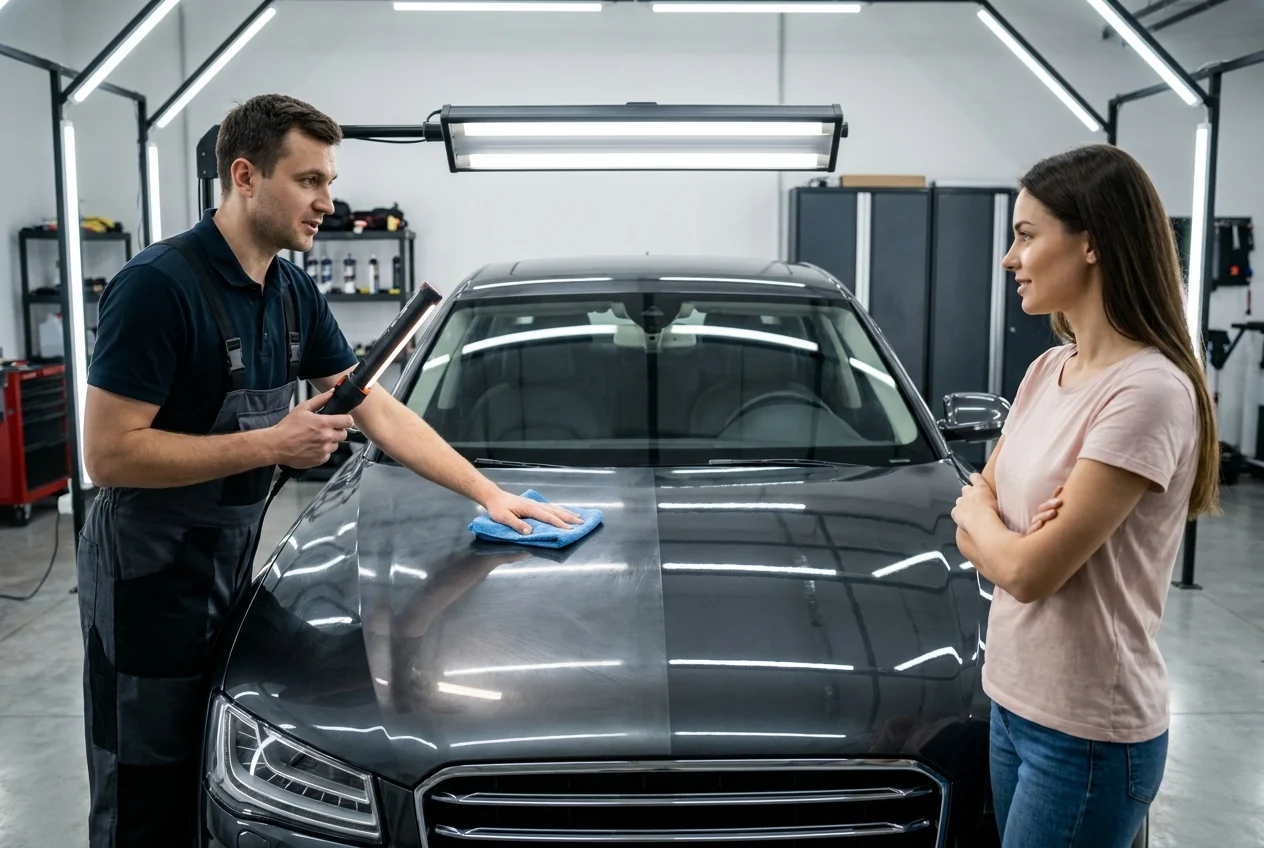
If your vehicle is regularly parked outdoors, near trees, or close to areas with heavy insect activity, ceramic coating can provide a valuable sacrificial barrier between these contaminants and the factory finish. Its slick surface can make fresh residue easier to remove before it causes lasting damage.
Ceramic coating does not make the paint immune to etching. Contaminants should still be removed promptly using safe washing products and techniques. The coating provides additional time and protection, but responsible maintenance remains essential.
5. You Spend Too Much Time Washing and Drying Your Vehicle
Some vehicles seem to hold onto road film, pollen, mud, and other debris even after careful rinsing. This can turn routine cleaning into a lengthy process, particularly during Southwest Florida’s rainy season or periods of high pollen.
Ceramic coating reduces surface tension and creates a smoother finish, helping water and loose contaminants release more easily. During a maintenance wash, this can mean less aggressive scrubbing and more efficient drying. Reducing friction during washing may also lower the risk of adding fine swirl marks through improper contact.
A coated vehicle still needs regular washing. Touchless rinsing alone may not remove all traffic film, and automatic car washes with harsh chemicals or abrasive brushes can reduce coating performance. A gentle hand wash with a suitable automotive shampoo is generally the better approach.
6. Your Vehicle Is Parked Outside Most of the Time
Vehicles without garage protection face continuous exposure to sunlight, rain, humidity, airborne pollutants, bird droppings, and coastal contaminants. In Port Charlotte, strong ultraviolet radiation and high temperatures can place considerable stress on exterior surfaces throughout the year.
A professionally applied ceramic coating adds a durable layer of protection against ultraviolet exposure, chemical contamination, and oxidation. This can be particularly useful for daily drivers, work vehicles, and vehicles parked in driveways or open parking lots.
Although ceramic coating improves environmental protection, it cannot prevent every type of damage. It will not stop dents, deep scratches, rock chips, or damage caused by collisions. Its primary purpose is to protect the finish from environmental contamination while improving gloss and ease of maintenance.
7. You Want to Preserve a New or Recently Corrected Finish
A new vehicle may look nearly flawless, but its clear coat begins facing environmental exposure as soon as it is driven and parked outdoors. Applying ceramic coating early can help preserve that appearance before contaminants, oxidation, and repeated washing begin to affect the finish.
Ceramic coating is also a practical next step after professional paint correction. Correction removes or reduces eligible surface defects, while the coating helps protect the improved finish. Without a protective layer, corrected paint remains exposed to the same conditions that contributed to dullness and imperfections in the first place.
New vehicles are not always ready for immediate coating without preparation. Transportation residue, dealership wax, water spots, adhesive, or light wash marks may already be present. A professional inspection can identify the preparation required before application.

What Ceramic Coating Can and Cannot Do
Ceramic coating provides durable gloss, hydrophobic performance, chemical resistance, and protection from common environmental contaminants. It can make washing easier and help a properly maintained vehicle retain a cleaner, more polished appearance.
However, ceramic coating is not a substitute for careful ownership. It does not eliminate the need for washing, prevent all water spots, or make paint scratch proof. Abrasive towels, dirty wash mitts, automatic brushes, and improper cleaning products can still damage the finish or shorten the coating’s useful life.
Realistic expectations are important when deciding whether ceramic coating is right for your vehicle. Its value comes from combining professional application with consistent, coating safe maintenance.
Why Surface Preparation Matters
The quality of a ceramic coating application depends heavily on the condition and cleanliness of the paint. Applying a coating over embedded contamination, oxidation, or residue can interfere with bonding and lock visible defects beneath the protective layer.
Professional preparation may include a thorough wash, chemical decontamination, mechanical decontamination, paint inspection, and surface polishing when appropriate. Oils and polishing residue must also be removed before coating application. These steps create a clean surface that supports proper adhesion and a uniform finish.
The amount of preparation varies by vehicle. A newer car with light contamination may require less correction than an older vehicle with visible swirls, water spots, or oxidation. Evaluating the paint before beginning helps determine the appropriate service rather than using the same process for every vehicle.
How to Maintain a Ceramic Coated Vehicle
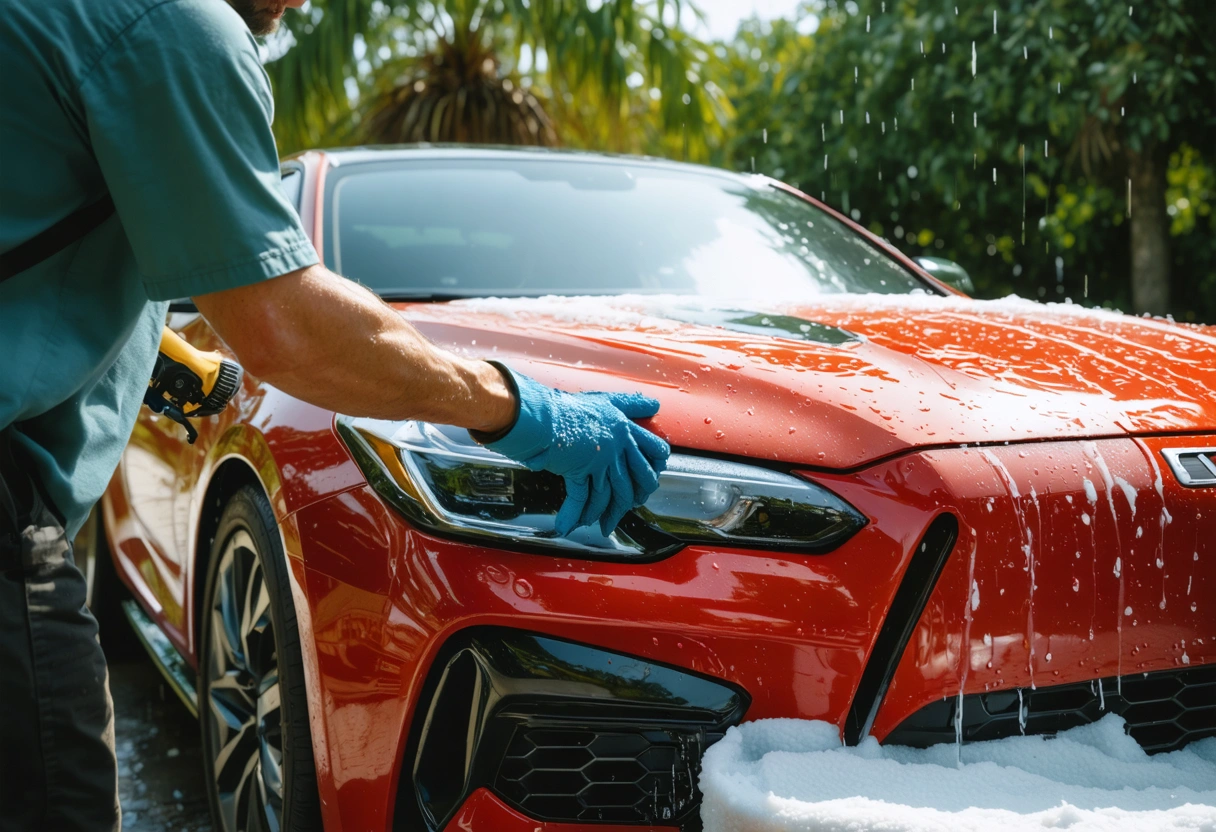
Proper maintenance supports the coating’s appearance and longevity. Wash the vehicle regularly using a pH appropriate automotive shampoo, clean wash media, and soft microfiber drying towels. Working in the shade and washing cool panels can help prevent soap and water from drying prematurely in Florida’s heat.
Bird droppings, insect residue, tree sap, and mineral deposits should be addressed as soon as practical. Avoid aggressive household cleaners, abrasive compounds, and rough towels unless they are specifically recommended by a qualified professional. Periodic inspections can also identify contamination or reduced hydrophobic performance before it becomes a larger issue.
Maintenance products should be compatible with ceramic coatings. Some traditional waxes and low quality cleaning products can mask water behavior or leave residue on the surface. Following professional aftercare guidance helps preserve the coating’s slickness, clarity, and water repelling properties.
Is Ceramic Coating Right for Your Vehicle?
If several of these signs apply to your vehicle, ceramic coating may offer a practical way to improve protection and simplify exterior care. It is especially beneficial for drivers who plan to keep their vehicles, value a glossy appearance, park outdoors, or regularly encounter harsh Florida conditions.
The best results come from matching the coating and preparation process to the vehicle’s current condition, use, and maintenance routine. A properly prepared and professionally coated finish can provide lasting shine, easier cleaning, and stronger resistance to the contaminants Port Charlotte drivers face throughout the year.
Need help with 7 Signs Your Vehicle Could Benefit from Ceramic Coating?