




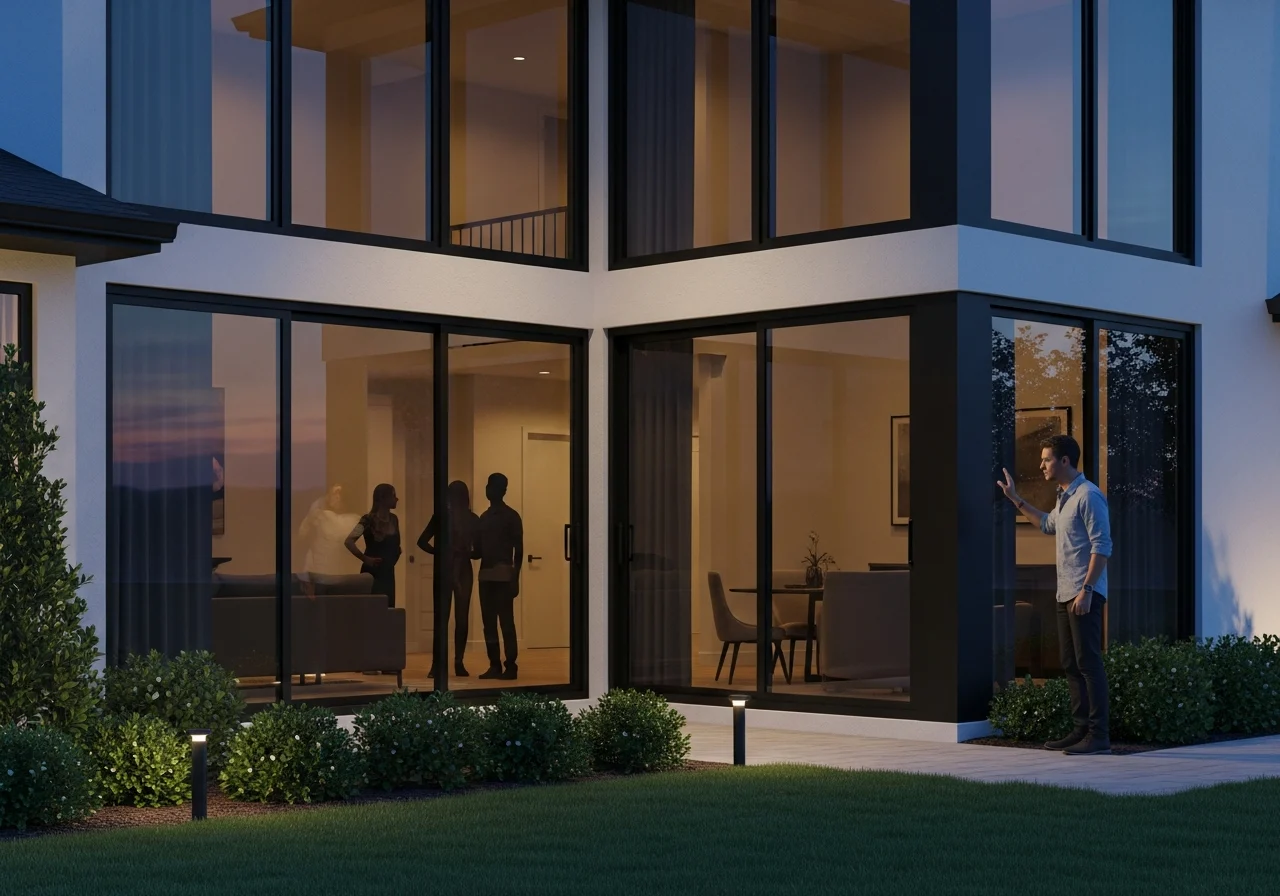
Windows bring daylight, views, ventilation, and architectural character into a home, but they are also among the most vulnerable points in the building envelope. For many homeowners, residential window tinting is first considered for heat control, glare reduction, privacy, or UV protection. Yet the right film can also play a meaningful role in a broader home security strategy.
Window tinting is not a substitute for locks, alarms, cameras, lighting, and common-sense routines. Instead, it adds a valuable layer of defense by improving privacy, reducing visibility into the home, helping glass hold together after impact, and making opportunistic intrusion more difficult, noisy, and time-consuming.
Why Windows Deserve More Attention in a Security Plan
Most residential security conversations begin with doors, deadbolts, smart locks, and alarm systems. Those are important, but windows often receive less attention even though they provide direct visual access into living spaces and, in many homes, a relatively easy entry point. Ground-floor windows, patio doors, garage windows, basement windows, and sidelights near entry doors can all expose valuables, floor plans, routines, and blind spots.
From a security perspective, a window has two separate vulnerabilities. The first is visibility. If someone can see electronics, tools, handbags, keys, firearms, or delivery packages from outside, the home becomes a more attractive target. The second is fragility. Standard glass can break quickly, allowing a person to reach a latch, create an opening, or trigger panic in the household. Window tinting can help address both issues when it is selected and installed for the right purpose.
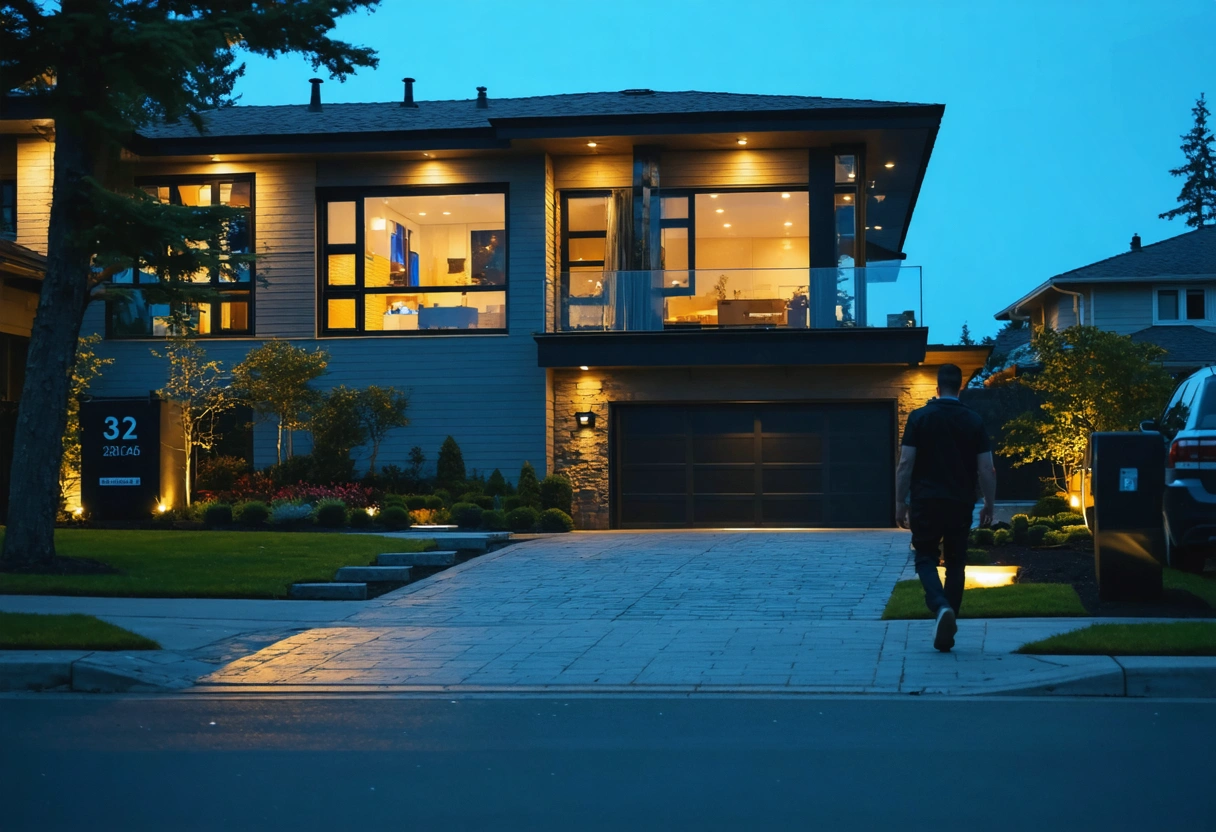
Security is built in layers. This concept is often called defense in depth, meaning that no single product does all the work. Instead, each layer adds friction. A well-lit exterior discourages approach, landscaping eliminates hiding places, locks delay forced entry, cameras add accountability, alarms alert occupants and monitoring services, and security window film makes glass harder to defeat quickly. The goal is not to make a home impossible to enter. The goal is to make it less appealing, less convenient, and more difficult than nearby alternatives.
How Residential Window Tinting Improves Privacy and Reduces Targeting
One of the most practical security benefits of home window tint is visual control. Many break-ins are crimes of opportunity. A person walking or driving by may notice an open laptop, a purse on a kitchen counter, a television in a den, or boxes from recent high-value purchases. Privacy window film reduces that casual visibility, especially during daylight hours, making it harder for outsiders to assess what is inside.
Reflective, dual-reflective, neutral, and darkened films can all improve daytime privacy in different ways. Reflective films create a mirror-like exterior appearance when outdoor light is brighter than indoor light. Neutral films offer a subtler look while still cutting glare and obscuring details. Frosted or decorative films are especially useful for bathrooms, entry sidelights, laundry rooms, stairwell windows, and windows facing busy sidewalks. They allow light to pass through while limiting direct lines of sight.
It is important to understand the limits of privacy film. Most daytime privacy films rely on light balance. At night, when interior lights are on and the exterior is dark, visibility may reverse unless blinds, curtains, or shades are used. For that reason, window tinting should be paired with nighttime window coverings in rooms where privacy is critical. A professional installer can help choose the right visible light transmission level, reflectivity, and appearance for each side of the home.
Privacy also has a psychological security benefit. When occupants feel less exposed, they are more likely to use rooms comfortably, open curtains during the day, and enjoy natural light without sacrificing peace of mind. This is especially valuable for street-facing homes, townhouses, first-floor apartments, homes near walking paths, and properties with neighboring buildings close by.
Security Window Film and the Science of Holding Glass Together
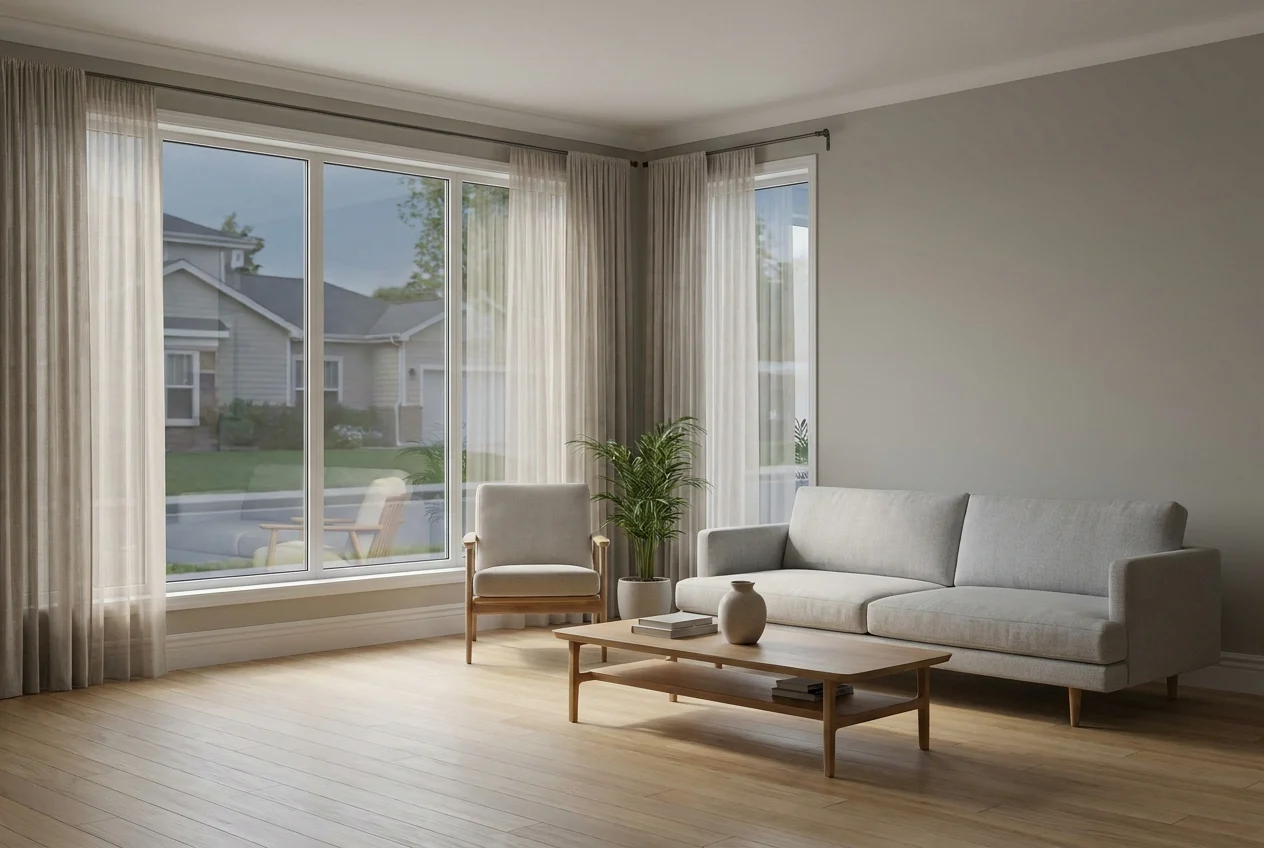
Security window film is different from standard solar control tint. While many films reduce heat and glare, security films are designed with thicker polyester layers and stronger adhesives that help broken glass remain bonded to the film after impact. When a window is struck, the glass may still crack, but the film can hold the fragments together and keep the opening from immediately collapsing.
This matters because time is one of the most powerful security factors. A standard pane may fail quickly after one or two hard impacts. A filmed pane can require repeated strikes, create more noise, and take longer to penetrate. That delay may cause an intruder to abandon the attempt, may give occupants more time to react, and may allow an alarm or neighbor to draw attention to the event.
Security film performance depends on several variables: film thickness, glass type, window size, frame condition, installation method, and whether the film is attached to the frame with a structural sealant or anchoring system. Common residential security films may range from about 4 mil to 15 mil or more. Thicker films generally provide greater tear resistance, but thickness alone does not determine performance. Adhesive quality, edge retention, and frame attachment are just as important.
Testing standards help explain how glazing systems respond to impact. For example, ASTM F1642 describes procedures for evaluating glazing and glazing systems under airblast loading. While most homeowners are not choosing film for blast protection, the existence of such standards highlights an important point: security is about the entire glass system, not just the film. Glass, film, frame, sealant, and installation quality all work together.
What Window Tinting Can and Cannot Do for Home Security
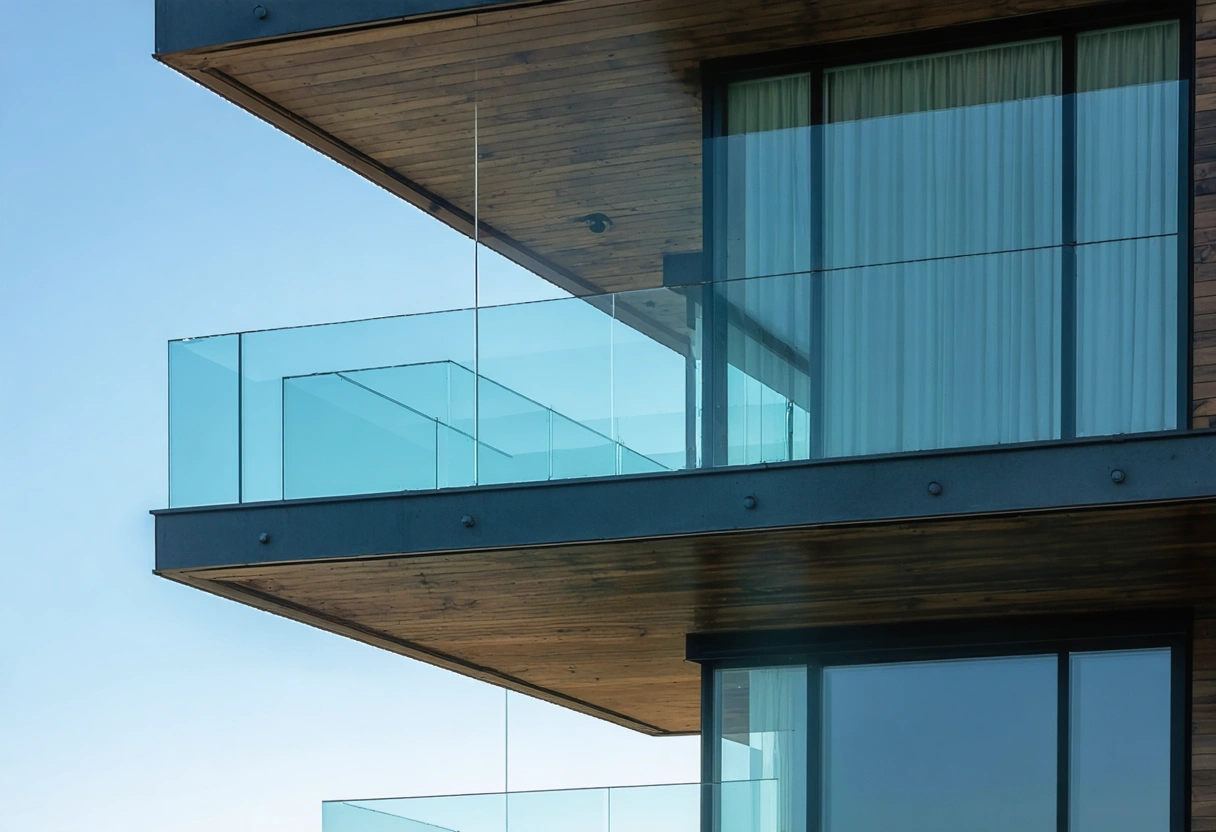
A high-quality security film can make forced entry through glass more difficult, but it does not make glass unbreakable. This is one of the most important distinctions for homeowners to understand. Marketing phrases like shatterproof, burglar proof, or impact proof can create unrealistic expectations. In reality, security film is best described as break-in resistant. It helps manage glass failure, slow access, and reduce hazards from flying shards.
Window tinting also does not replace properly functioning locks. A sliding glass door with a weak latch, a basement window left unlocked, or a casement window with damaged hardware remains vulnerable. Film should be used alongside upgraded locks, track blockers, window pins, security sensors, and habit-based security practices. If a window can be opened quietly, the benefit of reinforced glass is reduced.
Another limitation is edge vulnerability. If film is installed only to the visible glass area and not securely anchored, an intruder may eventually push the broken filmed glass away from the frame. This is why attachment systems matter for security applications. A wet-glazed installation, where a structural sealant bonds the film edge to the frame, can significantly improve retention compared with a simple daylight installation. Not every window or frame is a good candidate for this method, so an on-site evaluation is valuable.
Finally, window tinting is not a substitute for emergency planning. Families should still know how to exit during a fire, where to shelter during severe weather, and how to contact emergency services. Security upgrades should never trap occupants or interfere with code-required egress. The best solution balances protection from outside threats with safe exit from inside the home.
Choosing the Right Film for Different Areas of the Home
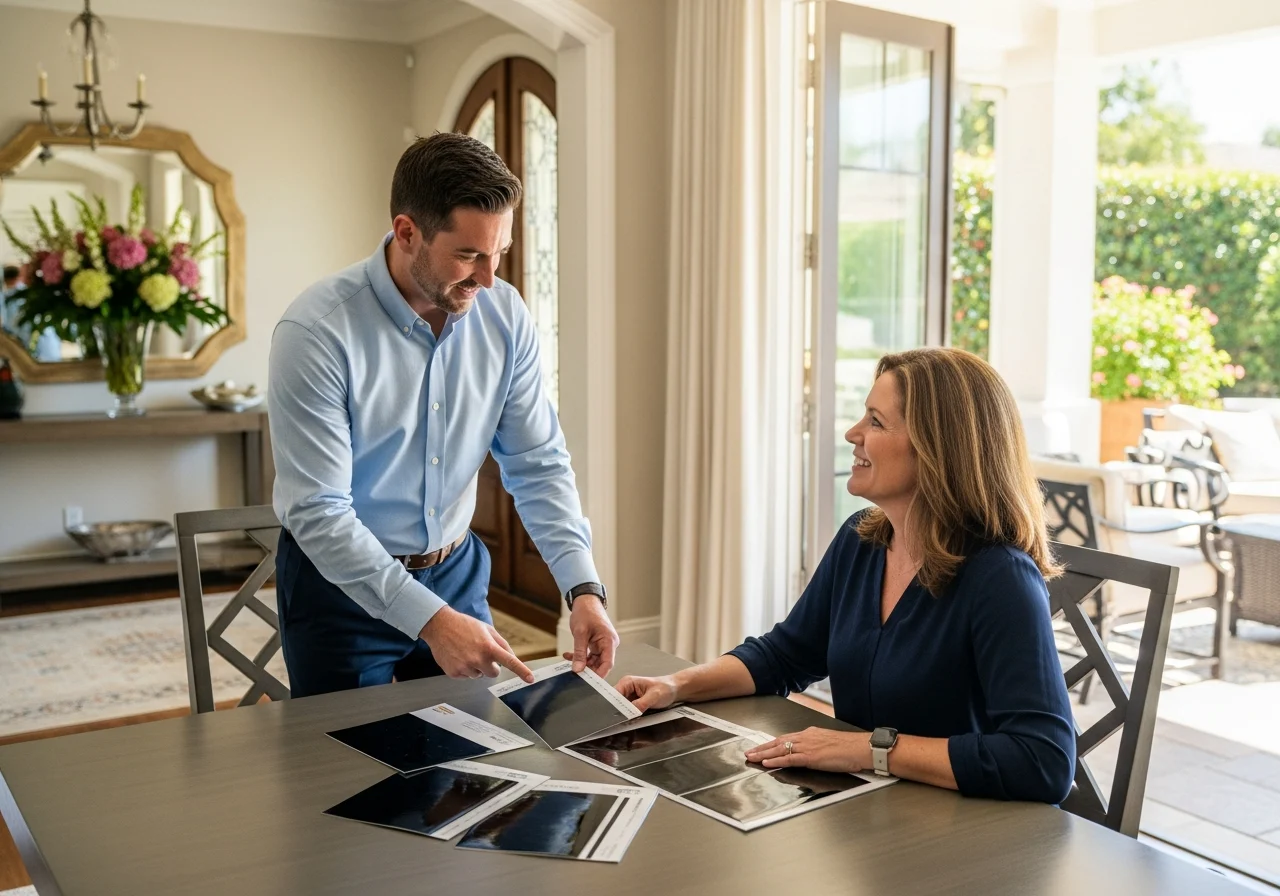
Not every window needs the same film. A thoughtful residential window tinting plan starts with risk assessment. Ground-floor windows, basement windows, patio doors, garage windows, and windows hidden from street view usually deserve priority because they are easier to approach and less likely to be observed. Sidelights next to entry doors are also important because breaking them may allow someone to reach a lock.
For street-facing living areas, privacy and solar control
often work best when paired in a balanced way. A moderately reflective or neutral solar film can reduce the ability to see inside while preserving curb appeal and daylight. For bathrooms and entry areas, decorative or frosted films may provide stronger obscurity without making the home feel dark. For secluded windows, a thicker security film with an attachment system may be the better investment.
Sliding glass doors require special attention because they combine a large glass surface with a door function. A security film can help the glass resist quick smash-and-reach entry, while an auxiliary lock, track bar, or anti-lift device improves the mechanical side of the opening. Garage windows are another overlooked area. Even small panes can reveal vehicles, tools, ladders, bicycles, or whether someone is home. Tinting or obscuring those windows can reduce both visibility and temptation.
Integrating Tinting With a Complete Residential Security Strategy
Window tinting performs best when it supports other protective measures. Exterior lighting with motion activation can make a person near a window more visible. Cameras can document suspicious activity. Glass-break sensors and contact sensors can alert occupants if an attempt occurs. Strong locks keep operable windows from being opened after glass is damaged.
Homeowners should also think about daily habits. Do not leave valuables in direct view of windows. Break down packaging from expensive purchases before putting it outside. Close blinds at night, especially in bedrooms and rooms facing public areas. Keep shrubs trimmed below window height so they do not provide cover. Crime data and household burglary patterns consistently show that opportunity matters, and window tinting is one way to reduce that opportunity before someone ever touches the glass.
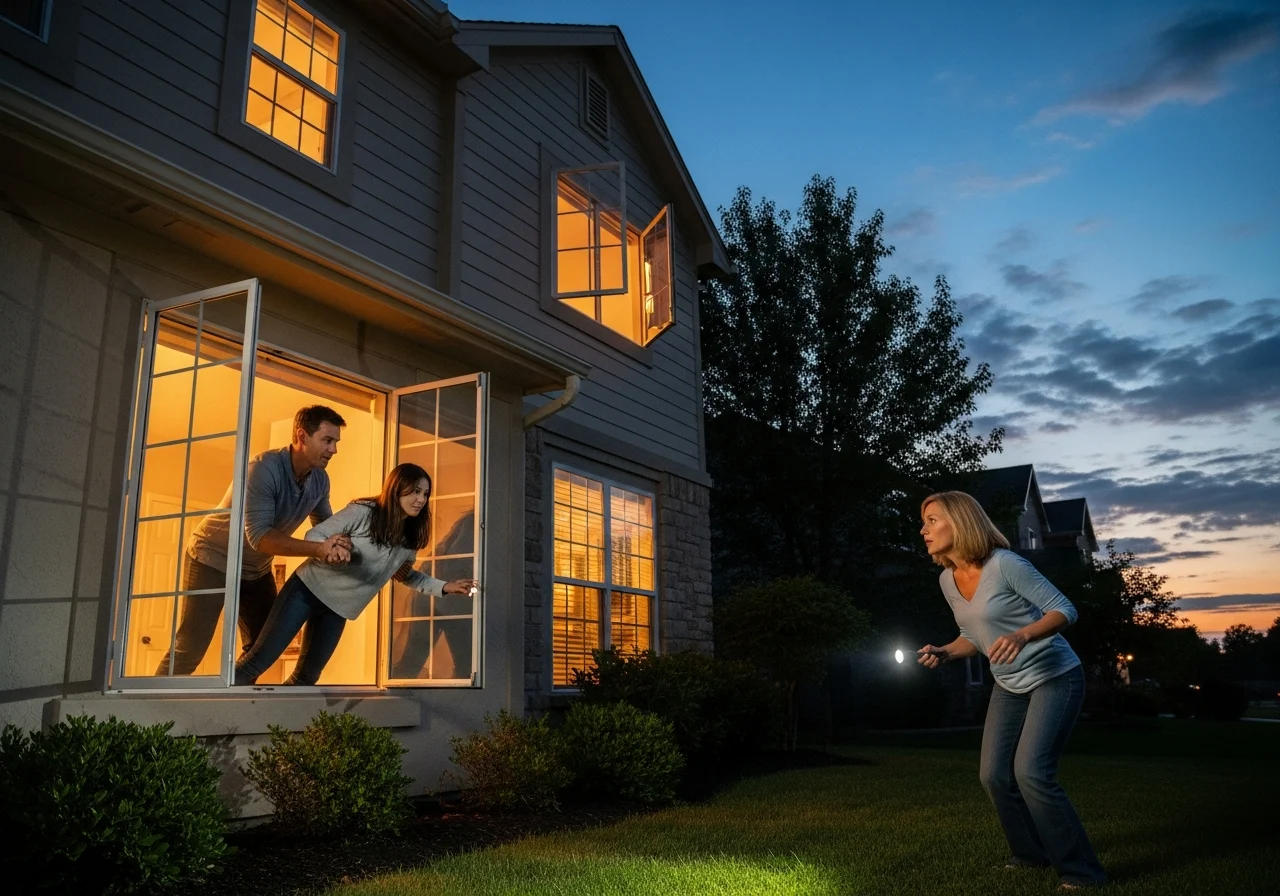
Safety must remain part of the plan. Bedrooms and other required escape openings should still function properly after film installation. Families should know which windows can be used in an emergency, how they open, and where to meet outside. Reviewing home fire escape planning guidance is a smart step before making any security upgrade that affects windows, locks, or exit routes.
A Smarter Layer of Protection for Modern Homes
Residential window tinting is often chosen for comfort, energy performance, and privacy, but its security value deserves equal attention. The right film can limit visibility into the home, reduce opportunistic targeting, hold broken glass together, delay forced entry, and make an attempted break-in louder and more difficult.
The key is choosing film based on purpose, not just appearance. Privacy films, solar films, decorative films, and security films all solve different problems. For the strongest results, homeowners should work with a knowledgeable installer, consider attachment systems where appropriate, and combine window tinting with locks, sensors, lighting, cameras, and safe household routines.
Need help with The Role of Window Tinting in Home Security: A Comprehensive Guide?