

Residential window tinting can do much more than change the appearance of your glass. When installed in the right rooms, window film can help manage heat, reduce glare, protect furnishings from fading, improve daytime privacy, and make everyday spaces more comfortable.
The rooms that benefit most often depend on sun exposure, how the space is used, and what problems homeowners notice most throughout the day. By understanding where window tinting creates the biggest impact, you can prioritize the areas of your home that matter most for comfort, efficiency, and long-term protection.
How Room Function Influences Window Tinting Priorities
Not every window in a home has the same job. A large living room window may frame a view and bring in natural light, while a bedroom window may need to support privacy and restful sleep. Because each room serves a different purpose, the ideal window tinting strategy should match how that space is used.
Sun direction is one of the most important factors to consider. Rooms with south-facing or west-facing windows often receive stronger sunlight for longer periods, which can lead to uncomfortable heat buildup and bright glare. In these areas, window tinting can help balance natural light with better temperature control.
Privacy also matters differently from room to room. Street-facing windows, bathrooms, bedrooms, and home offices may benefit from films designed to limit visibility from outside during the day. In contrast, rooms that overlook a private backyard may need less privacy and more focus on glare reduction or UV protection.
Why Window Film Performance Should Match the Space
Residential window films are not all designed for the same purpose. Some films emphasize heat rejection, while others focus on clarity, privacy, decorative style, or ultraviolet protection. Choosing the right film for a specific room helps ensure the solution supports the way that area is actually used.
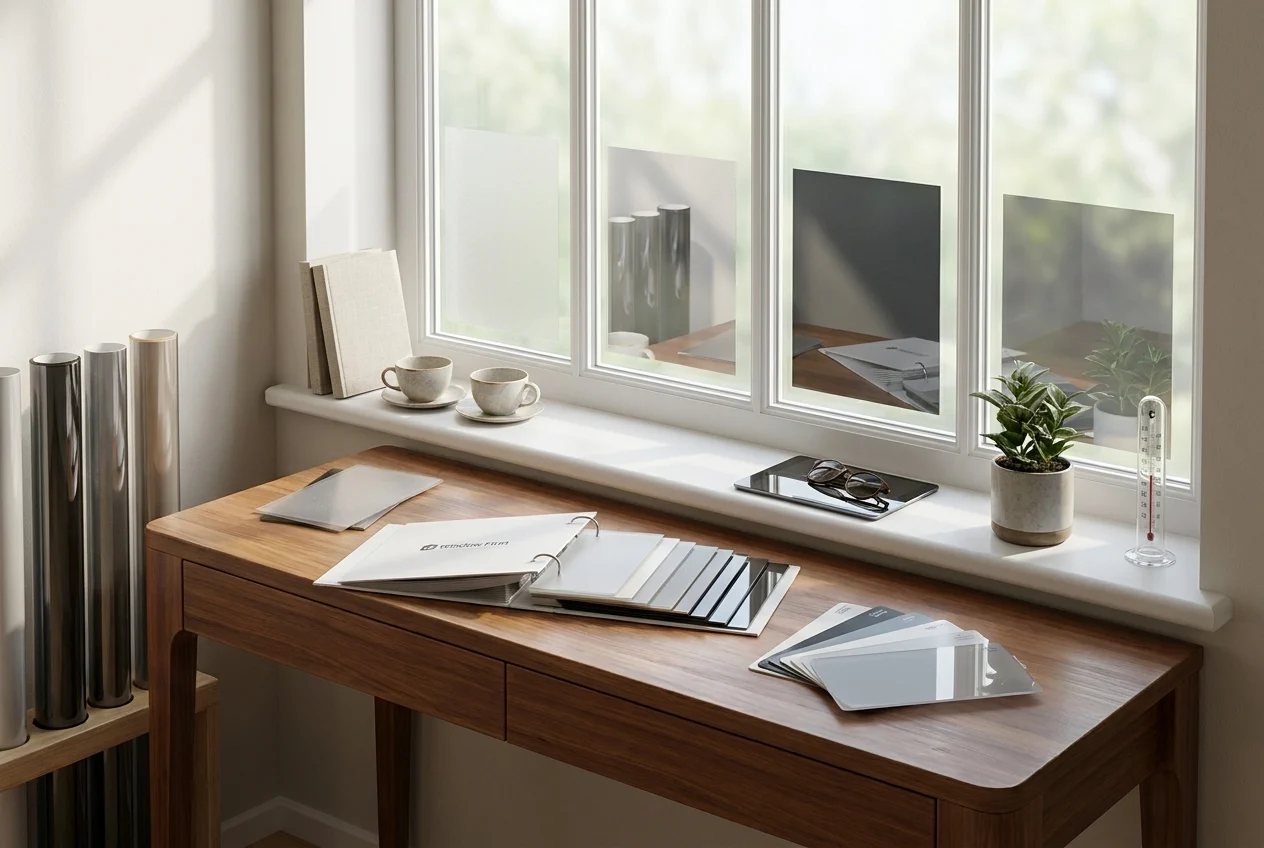
For example, a room with expensive furniture, hardwood floors, artwork, or rugs may need strong UV protection to help slow fading. A room used for television, gaming, or computer work may need glare control. A room that feels hot even when the air conditioning is running may need solar control film to help reduce heat gain.
Living Rooms and Family Rooms
Living rooms and family rooms are often among the best places to begin with residential window tinting because they typically have larger windows and more daily use. These spaces are where families relax, entertain guests, watch television, read, and spend time together, so comfort and light control are especially important.
Large windows can make a living space feel open and welcoming, but they can also allow significant heat and glare into the room. During bright parts of the day, sunlight may make it difficult to see a television screen, sit comfortably on a sofa, or enjoy the room without closing blinds or curtains. Window tinting can reduce these issues while still allowing natural light to remain part of the space.
Another key benefit in living rooms is protection for furnishings. Sofas, chairs, flooring, window treatments, and decorative pieces are often exposed to direct sunlight for hours at a time. Quality window film can block a significant amount of UV radiation, helping slow the fading and discoloration that can affect fabrics, wood, and other interior surfaces.
Balancing Natural Light, Views, and Comfort
One of the main concerns homeowners have about tinting living room windows is whether the room will feel too dark. In many cases, modern residential window films can reduce heat and glare without dramatically changing the look of the glass. This allows the room to stay bright and comfortable while reducing the harshness of direct sunlight.
The right film selection depends on the room’s layout and exposure. A living room with intense afternoon sun may need a film with stronger solar control, while a shaded room may only need a lighter film for UV protection and mild glare reduction. Matching the film to the room helps preserve the view and atmosphere while improving everyday comfort.
Bedrooms
Bedrooms are another high-priority area for window tinting because they need to support comfort, privacy, and rest. A bedroom that receives strong morning or afternoon sun can become noticeably warmer than the rest of the home, making it harder to relax or sleep comfortably. Window film can help reduce heat gain while allowing the room to keep a calm, natural-light feel during the day.
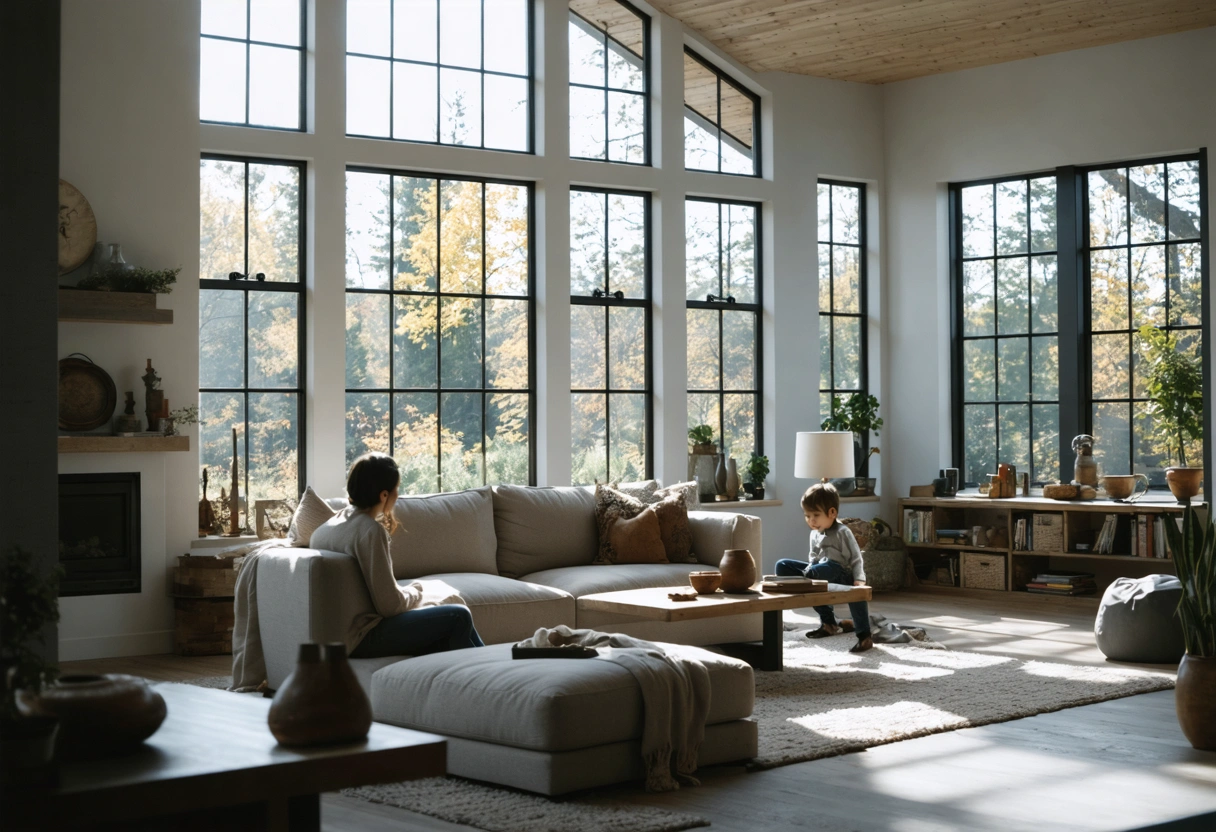
Privacy is also a major concern in bedrooms, especially for windows that face a street, sidewalk, neighboring home, or shared outdoor space. Daytime privacy films can make it more difficult for people outside to see into the room while still allowing occupants to enjoy daylight. This can reduce the need to keep blinds fully closed throughout the day.
Glare control may matter in bedrooms as well. Many homeowners use bedrooms for reading, watching television, getting ready, or working from a small desk. Harsh sunlight can make these activities uncomfortable, particularly when light reflects off mirrors, screens, or light-colored walls. A carefully selected window film can soften bright light without making the room feel closed in.
Improving Sleep Comfort and Temperature Balance
While window tinting does not replace blackout curtains for total room darkening, it can make a bedroom more comfortable by reducing solar heat and softening daytime brightness. This is especially useful in rooms that heat up before bedtime and remain warmer than other areas of the home.
For east-facing bedrooms, morning sunlight may be the main issue. For west-facing bedrooms, late afternoon heat can build up and linger into the evening. In both cases, solar control film can help stabilize the room’s temperature so the heating and cooling system does not have to work as hard to compensate for hot glass and direct sun exposure.
Home Offices
Home offices have become one of the most important rooms to consider for residential window tinting. Whether the space is used full time or only a few days per week, comfort and visibility can directly affect productivity.
Window film can help reduce glare while keeping the office bright enough for a pleasant working environment. This is especially helpful when a desk is positioned near a window or when sunlight crosses the room during peak work hours.

Privacy can also be important in a home office. If the room faces a busy street or neighboring property, window film can help limit outside visibility during daylight hours.
Protecting Electronics, Furniture, and Work Materials
Home offices often contain electronics, wood desks, books, papers, flooring, and upholstered chairs that can be affected by long-term sun exposure. UV rays and heat can contribute to fading, discoloration, and premature wear.
For offices with multiple monitors, glass desktops, framed certificates, or artwork, glare reduction can make the room more practical and visually comfortable. A neutral or lightly reflective solar film may be enough for many offices, while rooms with heavy sun exposure may benefit from stronger heat and glare control.
Kitchens and Dining Areas
Kitchens and dining areas often have windows that bring in cheerful natural light, but they can also become uncomfortably warm during certain times of day.
Dining areas are also common candidates for tinting because sunlight can interfere with meals, conversations, and entertaining. A dining table placed near a large window may receive harsh direct sun, making the space uncomfortable at breakfast, lunch, or dinner depending on the window’s orientation.
In open-concept homes, kitchen and dining windows can also affect adjacent living spaces. Heat and glare from one set of windows can spread across a larger area, making temperature control more difficult.

Reducing Fading on Cabinets, Floors, and Countertops
Sun exposure can affect kitchen finishes over time. Wood cabinets, painted surfaces, flooring, rugs, and even some countertop materials may fade or discolor when exposed to direct sunlight for long periods.
This can be especially valuable in kitchens with high-end cabinetry, natural wood floors, or decorative finishes near windows. Although window film cannot stop all fading, it can significantly reduce one of the main contributors by limiting ultraviolet radiation and reducing the intensity of direct sun exposure.
Bathrooms
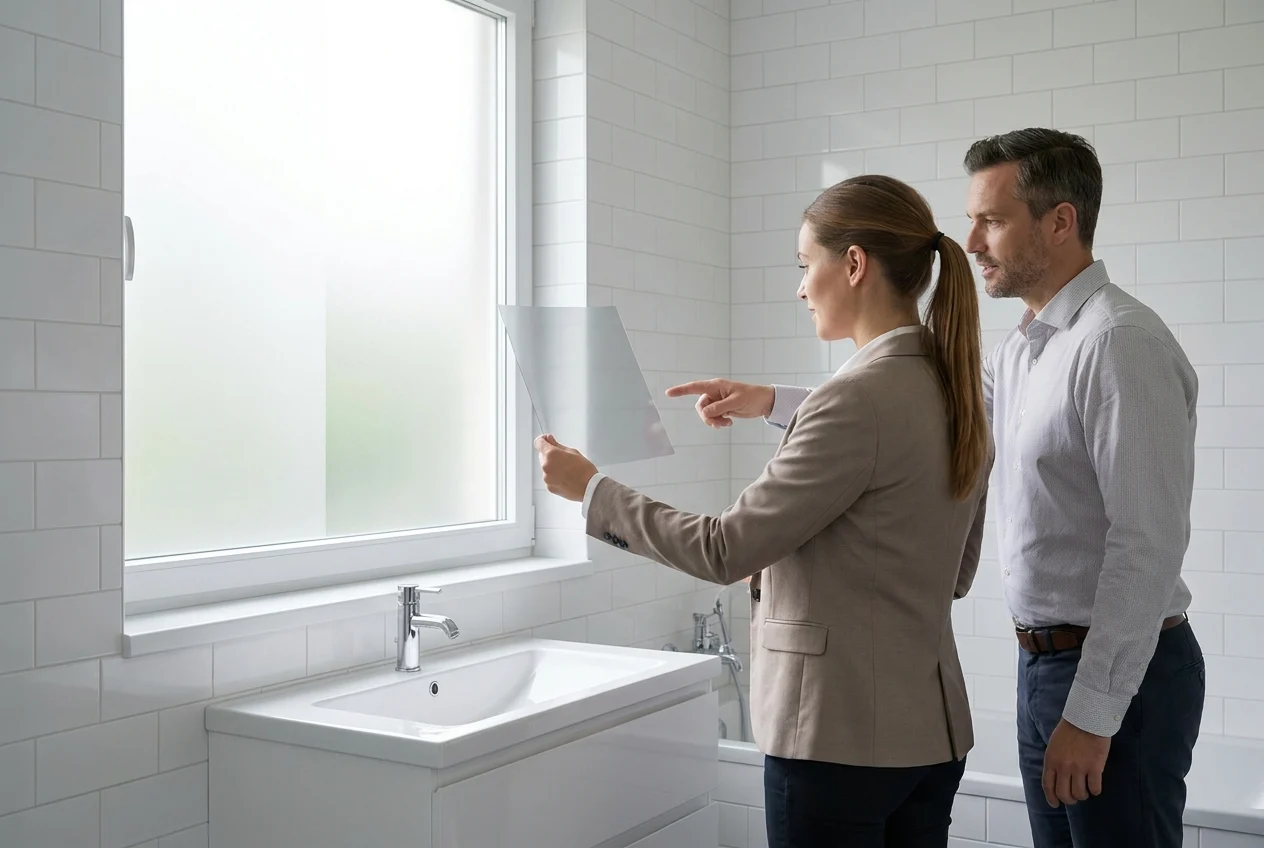
Bathrooms are one of the most practical rooms for window tinting because privacy is often the top priority. Many bathrooms have windows positioned for ventilation or natural light, but those windows may face neighbors, walkways, driveways, or backyard areas.
Frosted, decorative, and privacy films are especially popular in bathrooms. These films can obscure the view through the glass while still allowing light to pass through.
Window tinting can also help reduce heat and glare in bathrooms with strong sun exposure. A bathroom that receives direct sunlight may feel hot and humid more quickly, especially after showers or baths.
Choosing Privacy Films for Bathroom Windows
The right bathroom film depends on how much visibility needs to be blocked. Frosted films are a common choice because they provide a clean, simple appearance and strong privacy.
It is important to understand that some privacy films perform differently during the day and night. Films designed for daytime privacy may become less private when interior lights are on after dark.
Sunrooms and Enclosed Patios
Sunrooms, enclosed patios, and glass-heavy bonus spaces are among the rooms that can benefit most from window tinting. These areas are designed to capture natural light, but the same large glass surfaces that make them attractive can also create excessive heat, glare, and UV exposure.
Window tinting can make these spaces more usable by reducing heat buildup and softening intense sunlight. This allows homeowners to enjoy the view and brightness of the room without feeling overwhelmed by direct sun.
Furniture and flooring in sunrooms are also highly vulnerable to fading. Because these spaces often receive direct sunlight from multiple directions, cushions, rugs, wood, wicker, and décor may fade faster than in other parts of the home.
Managing Heat Without Losing the Purpose of the Room
The goal in a sunroom is usually not to darken the space completely. Instead, the best approach is to choose afilm that reduces heat and glare while still preserving the bright, open feel that makes the room appealing.
Because sunrooms often have more glass than standard rooms, film selection is especially important. A professional assessment can help determine whether different walls of glass need different levels of tint based on sun direction, roof overhangs, landscaping, and how the room is used throughout the day.
Need help with The Best Rooms in Your Home for Window Tinting and Why They Matter?