




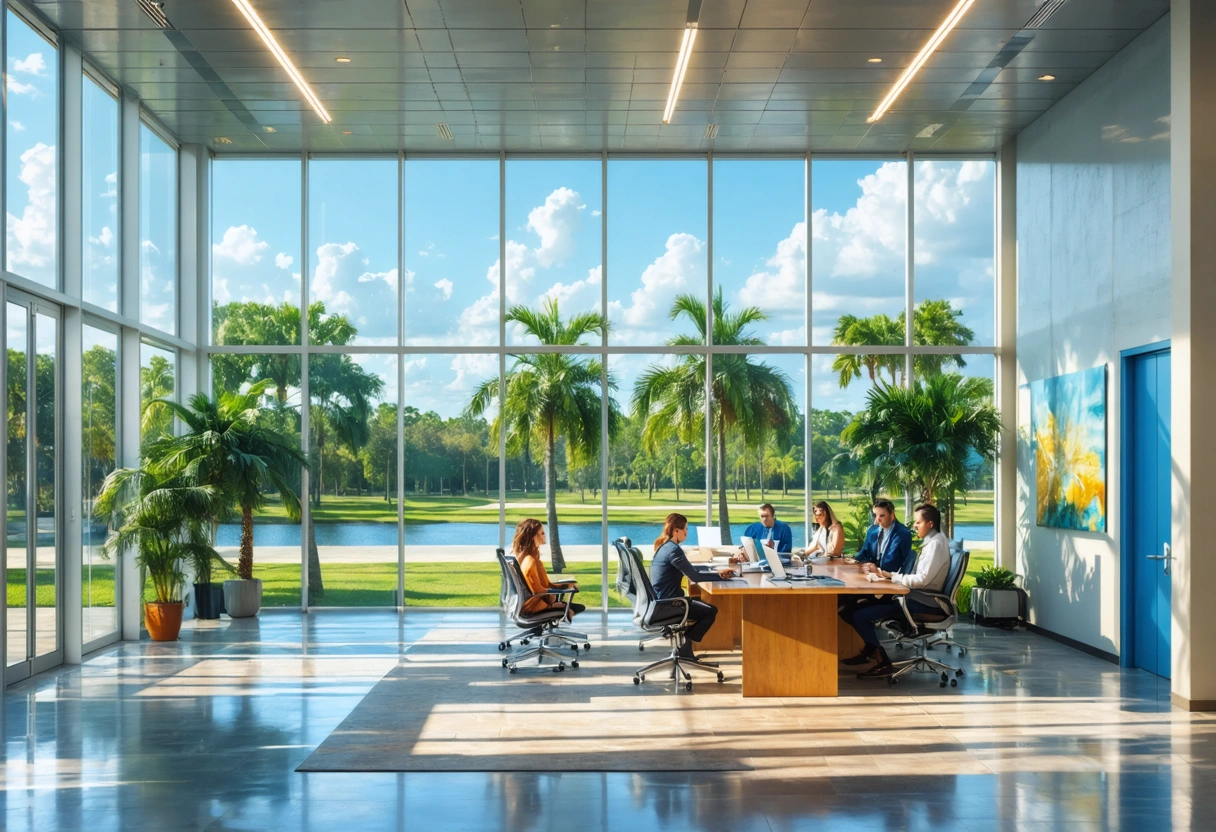
Office buildings in Port Charlotte, Florida, face intense sunlight, high temperatures, and persistent glare throughout much of the year. Large windows may create a bright, welcoming environment, but untreated glass can also increase cooling demands, cause uncomfortable hot spots, and expose furnishings to damaging ultraviolet rays.
Commercial window tinting offers a practical way to improve existing office glass without undertaking a major renovation. By selecting a film suited to the building’s orientation, glass type, and daily operations, property owners can create a more comfortable and efficient workplace while preserving natural light.
Addressing Southwest Florida’s Heat and Sunlight
Port Charlotte’s warm, sunny climate can place substantial pressure on an office building’s cooling system. Solar energy passing through untreated windows raises indoor temperatures, particularly in rooms with south-facing or west-facing glass. Employees seated near these windows may feel noticeably warmer than coworkers in interior areas, even when the air conditioning is running.
Commercial window film is designed to reduce the amount of solar heat entering through the glass. This can help stabilize temperatures across workspaces, meeting rooms, reception areas, and private offices. More consistent indoor conditions may also reduce the need for frequent thermostat adjustments that make some areas too cold while others remain uncomfortably warm.
Reducing Glare Without Sacrificing Daylight
Bright Florida sunlight can produce distracting glare on computer monitors, presentation screens, and other digital displays. Employees may compensate by closing blinds, changing seats, or increasing screen brightness, all of which can interfere with productivity and diminish the benefits of natural light.
A properly selected commercial tint can soften harsh sunlight while allowing offices to remain bright. Different shades and performance levels are available, making it possible to balance glare control with visibility, aesthetics, and the amount of daylight each area requires.
Supporting Energy Efficiency and Workplace Comfort
When less solar heat enters an office, the heating, ventilation, and air conditioning system may not need to work as hard to maintain a comfortable temperature. The exact energy savings depend on factors such as window size, building orientation, glass construction, insulation, occupancy, and the type of film installed. Even so, reducing heat gain at the glass can be a valuable part of a broader energy efficiency strategy.
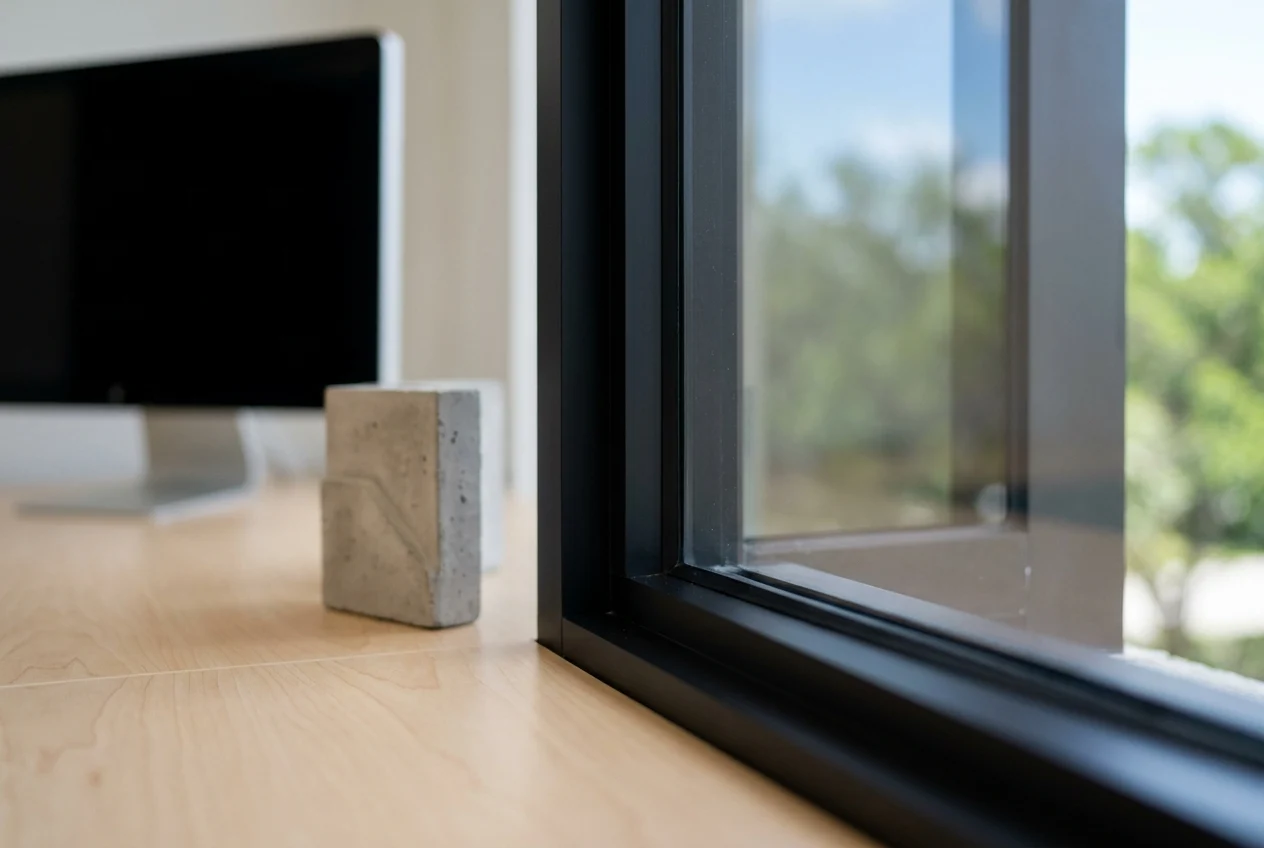
Improved comfort can also have a meaningful effect on how employees and visitors experience the building. Workstations near windows become more usable, conference rooms are less likely to overheat during afternoon meetings, and reception areas can remain welcoming during sunny periods. These improvements address everyday issues without requiring the windows to be fully replaced.
Protecting Interior Materials From UV Exposure
Sunlight can gradually fade flooring, office furniture, merchandise, artwork, and window treatments. Ultraviolet exposure is one contributor to this deterioration, along with visible light, heat, material quality, and environmental conditions.
Many commercial window films block a significant portion of ultraviolet rays, helping slow sun-related fading and discoloration. For Port Charlotte offices with valuable interiors or extensive glass, this added protection can help preserve the appearance of indoor materials and extend their useful life.
Enhancing Privacy Without Closing Off the Office
Many offices need a degree of privacy in conference rooms, reception areas, executive offices, and street-facing workspaces. Traditional blinds and curtains can provide coverage, but they may also block daylight, collect dust, and require regular adjustment. Decorative and reflective window films offer alternatives that can preserve an open appearance while limiting unwanted views.
Decorative Film for Interior Glass
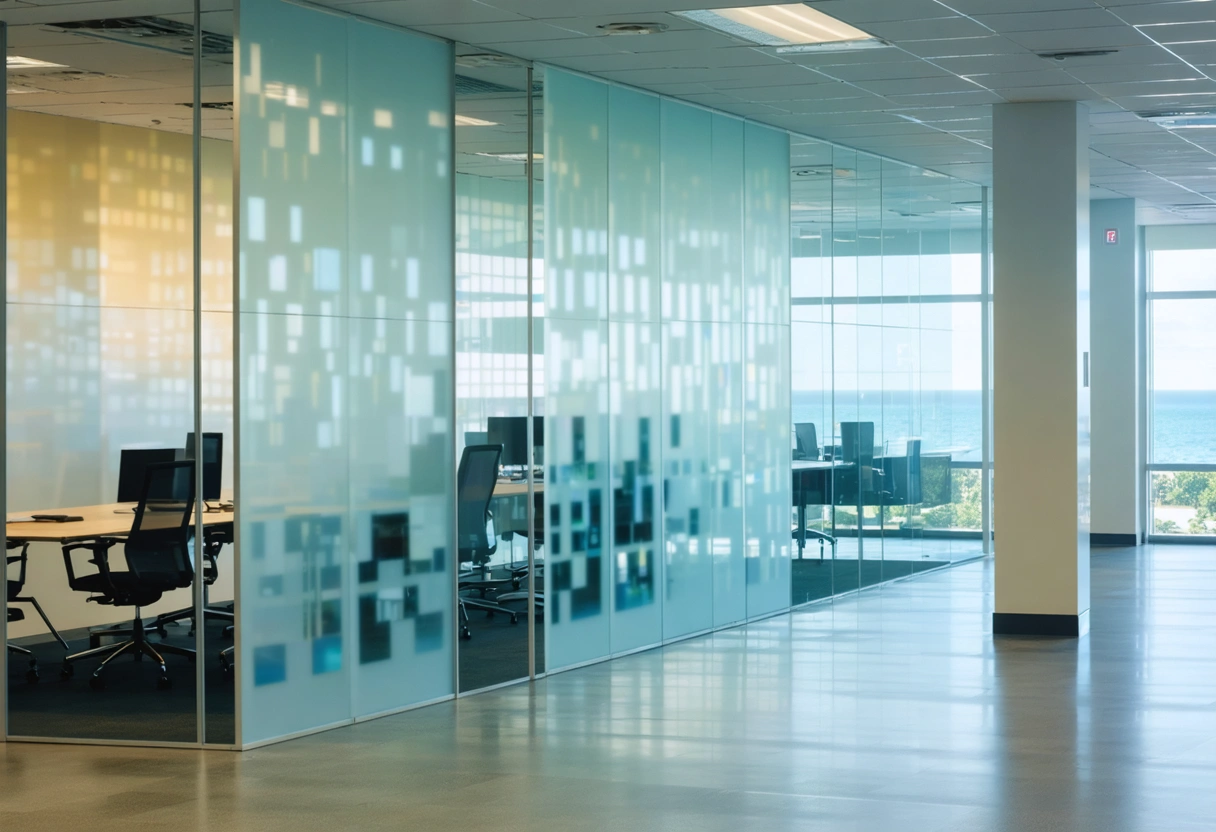
Frosted, patterned, and gradient films are useful for glass partitions, office doors, and meeting rooms. They can obscure sensitive documents and computer screens while still allowing light to travel through the workplace. Custom-cut designs can also incorporate company names, logos, or visual patterns that support the office’s branding.
Coverage does not need to extend across an entire glass panel. A privacy band placed at seated or standing eye level may be sufficient for a conference room, while full coverage may be more appropriate for a human resources office, medical workspace, or room where confidential conversations take place.
Understanding Reflective Privacy
Reflective solar films can make exterior glass more difficult to see through when outdoor light is brighter than indoor light. This effect can provide useful daytime privacy for offices near sidewalks, parking areas, and neighboring buildings.
However, reflective film does not guarantee privacy at night. Once interior lights are on and outdoor conditions are dark, people outside may be able to see into the building. Offices that require privacy after business hours may still need blinds, shades, decorative film, or another complementary solution.
Improving the Building’s Exterior Appearance
Windows have a major influence on how a commercial property looks from the street. Uneven shades, closed blinds, and mismatched interior furnishings can create an inconsistent appearance through clear glass. Commercial window tint can give the facade a more uniform and professional finish.
Film is available in neutral, lightly reflective, and darker tones, allowing property owners to coordinate the glass with the building’s architecture. A subtle film may suit a professional office that wants to maintain clear views, while a more reflective option may complement a contemporary commercial property.
Appearance should be evaluated from both inside and outside before a final product is selected. A sample installed on the actual glass can help decision makers assess color, reflectivity, clarity, and glare control under Port Charlotte’s changing daylight conditions.
Adding Safety and Security Benefits
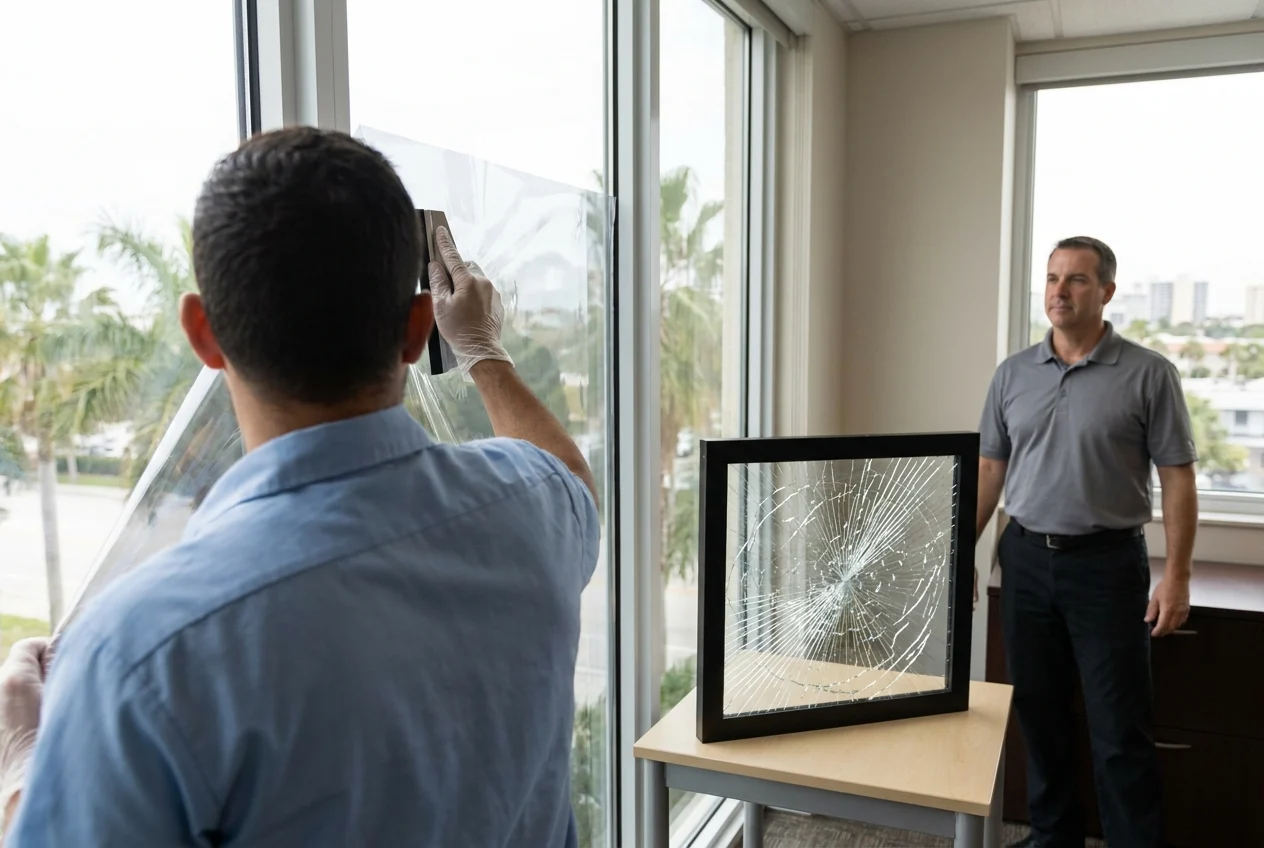
Standard window glass can break because of impact, accidents, severe weather, or attempted entry. When certain safety and security films are properly installed, they can help hold broken glass fragments together. This may reduce the amount of loose glass scattered into occupied areas and keep the damaged pane within its frame for a period of time.
Security film can also make forced entry through glass more difficult by increasing the time and effort required to create an opening. This added resistance may be valuable for offices with ground-level windows, sensitive records, expensive equipment, or limited visibility after business hours.
Safety Film Is Not the Same as Hurricane Protection
Port Charlotte businesses should distinguish ordinary solar film from a tested impact protection system. Solar control film alone does not make a window hurricane proof. Even thicker safety film must be combined with the correct attachment system, compatible glazing, and proper installation when it is intended to serve as part of a specified impact-resistant assembly.
Property owners should review applicable building requirements and product testing before relying on film for storm protection. Approved shutters, impact-resistant windows, or other code-compliant measures may still be necessary. A qualified installer can explain the intended performance of a film without overstating its capabilities.
Choosing the Right Film for an Office Building
The darkest film is not automatically the best-performing option. Modern films can reject substantial solar energy while maintaining a relatively light appearance. The appropriate choice depends on the building’s glass, exposure, interior layout, operating hours, and performance priorities.
Evaluate Each Side of the Building
West-facing windows often experience strong afternoon heat and glare, while east-facing glass may create problems during morning work hours. South-facing windows can receive sustained sun exposure, and north-facing windows may require less aggressive solar control. A building can use different film specifications on different elevations while maintaining a coordinated exterior appearance.
Individual rooms should also be considered. A conference room with a large display may need stronger glare reduction than a reception area. An executive office may prioritize clear views, while a storage area containing light-sensitive products may benefit from greater ultraviolet protection.
Confirm Glass and Film Compatibility
Commercial glass varies in thickness, color, coatings, insulation, and heat treatment. Some offices have single-pane glass, while others use insulated glass units or factory-applied low-emissivity coatings. Applying an incompatible film can increase thermal stress or create other performance concerns.
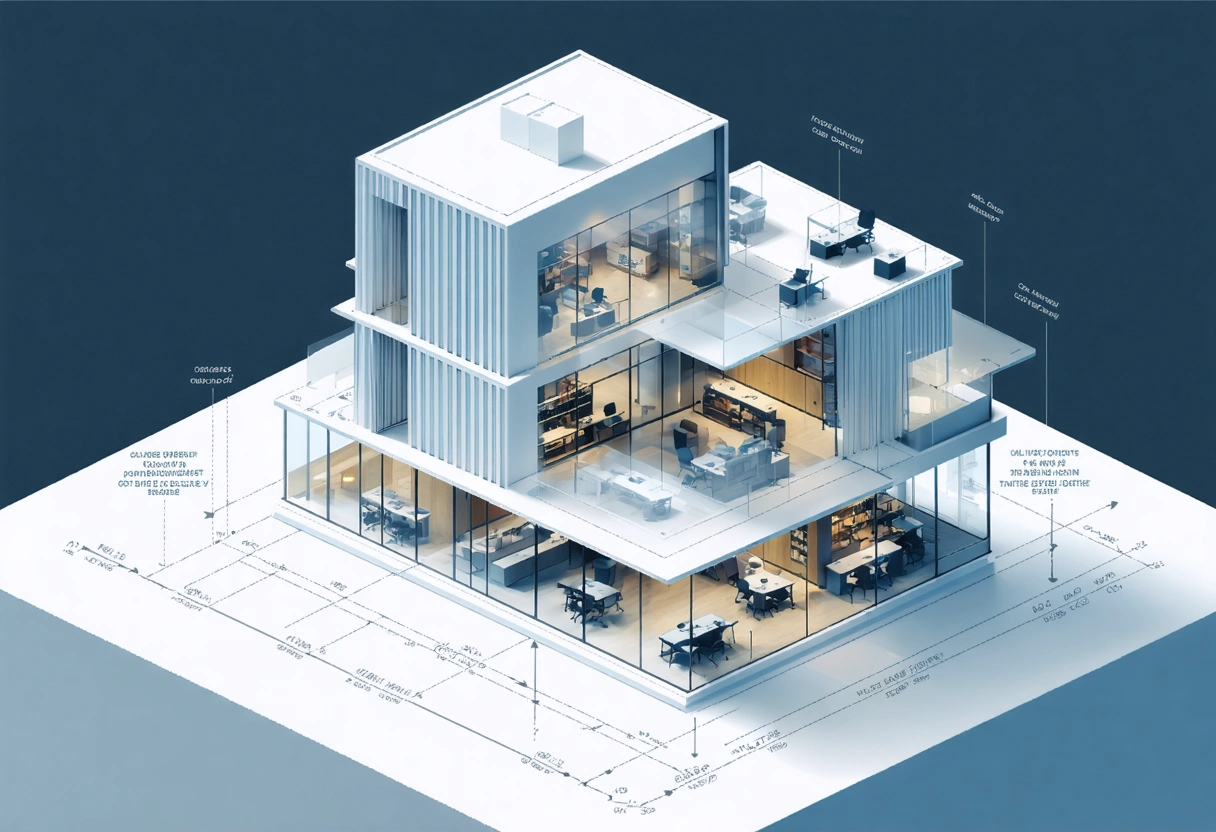
A professional assessment should identify the glass type and determine whether the proposed film is approved for that application. Product warranties should also be reviewed for coverage terms, installation requirements, and exclusions related to glass breakage or seal failure.
Compare Performance Measurements
Film specifications provide more useful information than appearance alone. Visible light transmission indicates how much daylight passes through the treated glass. Lower values generally produce a darker appearance, while higher values preserve more natural light.
Solar heat gain performance, glare reduction, ultraviolet rejection, interior reflectivity, and exterior reflectivity should also be compared. Offices with nighttime operations may place special emphasis on low interior reflectivity so occupants can maintain clearer views after dark.
Planning a Professional Installation
Commercial film installation typically begins with an on-site evaluation and accurate measurement of the glass. The installer may inspect window frames, identify damaged seals, verify glass construction, and discuss access to work areas.
Before installation, desks, displays, and sensitive equipment near the windows may need to be moved or covered. The glass is then thoroughly cleaned so dust and debris do not become trapped beneath the film.
Allow Time for the Film to Cure
Newly installed film may initially show a hazy appearance, small water pockets, or temporary visual distortion. These conditions often occur because moisture remains between the film and glass during installation.
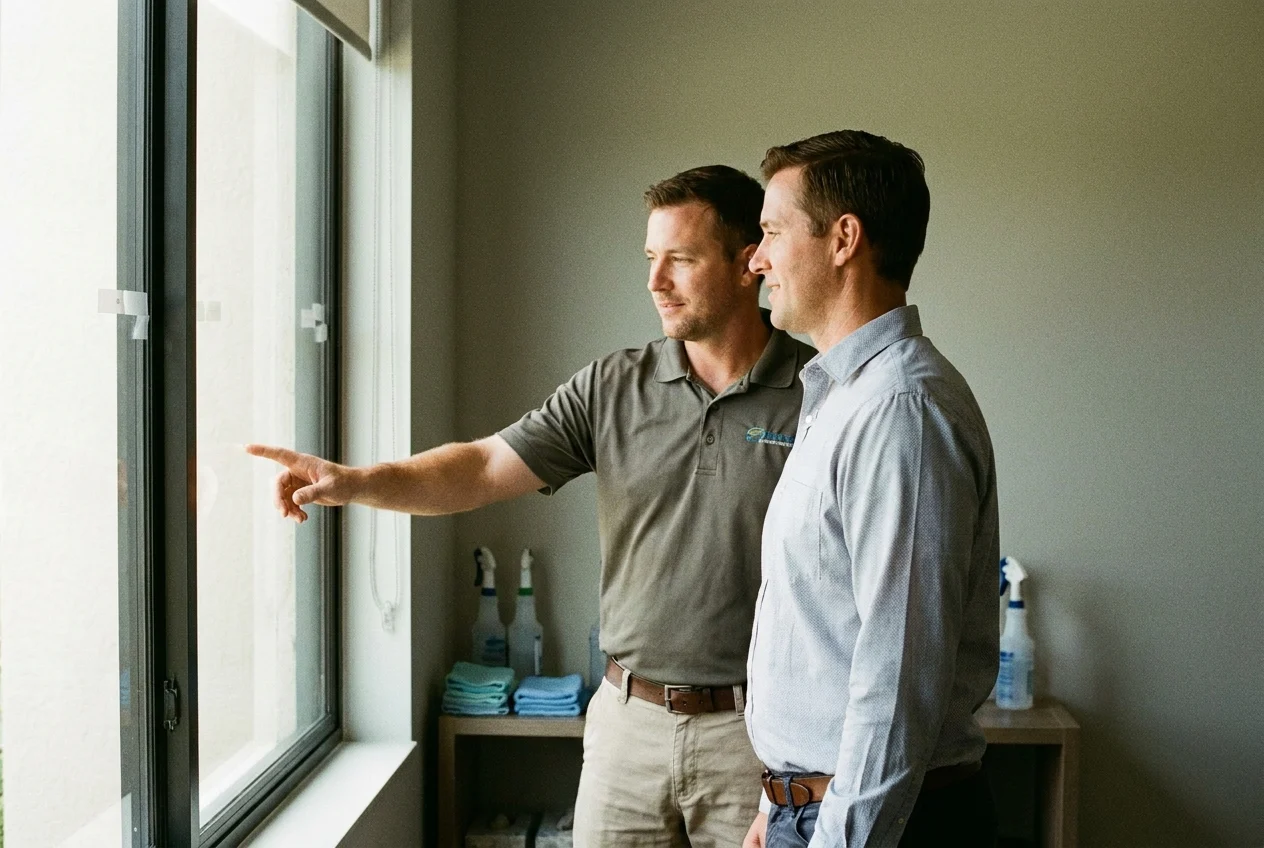
Curing time varies with film type, weather, glass exposure, and indoor conditions. The film should not be disturbed or cleaned until the installer’s recommended waiting period has passed.
Maintaining Tinted Commercial Windows
Quality window film generally requires little maintenance, but appropriate cleaning helps protect its finish. Building staff should use soft microfiber cloths, rubber squeegees, or other nonabrasive tools.
Cleaning instructions can vary by manufacturer, so the installer’s care guidance should be shared with employees and janitorial contractors. If bubbling, peeling, scratches, or edge damage appear, the affected area should be inspected rather than repaired with tape, adhesives, or cutting tools.
Evaluating Cost and Long-Term Value
The cost of commercial window tinting depends on the total glass area, film type, window dimensions, installation access, existing film removal, and the condition of the glazing.
Value should be assessed across several areas rather than through cooling savings alone. Reduced glare may make more workspaces usable, ultraviolet protection may extend the life of interior materials, and improved temperature consistency may increase occupant comfort.
Commercial window tinting is often less disruptive and more affordable than replacing functional windows. For Port Charlotte offices, a carefully specified and professionally installed film can deliver a balanced upgrade in comfort, efficiency, privacy, appearance, and glass safety.
Need help with Why Commercial Window Tinting Is a Smart Upgrade for Offices in Port Charlotte, FL?
