





Glare is one of the most common comfort and productivity issues in commercial spaces with large glass surfaces. In offices, it can make computer screens harder to read, contribute to eye strain, and force employees to adjust blinds throughout the day.
Commercial window tinting offers a practical way to manage sunlight without completely blocking natural light. By filtering harsh brightness and controlling how light enters a building, professionally installed window film can help create a more comfortable, functional, and visually appealing environment for employees, customers, and visitors.
Why Glare Becomes a Problem in Commercial Spaces
Glare occurs when sunlight or reflected light is too intense for the eyes to comfortably process. In commercial buildings, this often happens near large windows, glass doors, atriums, conference rooms, and storefront displays.
In office settings, glare can interfere with everyday tasks such as reading documents, using computers, participating in video calls, or viewing presentation screens. Employees may respond by closing blinds or shifting workstations, but these short-term fixes can reduce natural light and make the office feel darker or less inviting.
Storefronts face their own challenges. Excessive brightness can make it difficult for passersby to see merchandise through display windows, while direct sun can create uncomfortable hot spots inside the store.
How Window Film Helps Control Harsh Sunlight
Commercial window tinting works by applying a thin, specialized film to existing glass. Depending on the film type, it can reduce visible light transmission, filter certain wavelengths of sunlight, and soften the intensity of direct sun before it reaches interior surfaces.
Unlike curtains or blinds, window film provides continuous glare control without needing to be opened, closed, or adjusted throughout the day. This is especially useful in busy offices and retail environments where staff may not have time to manage window coverings as lighting conditions change.
Balancing Glare Reduction with Natural Light
One of the main advantages of commercial window film is that it can be selected to match the needs of the building. Some films are darker and provide stronger glare reduction, while others are designed to be more neutral and maintain a brighter interior appearance.

The right film choice depends on window orientation, direct sun exposure, interior lighting, glass size, and how the space is used.
Benefits for Office Productivity and Employee Comfort
Reducing glare in an office is not just a matter of making the space look better. It can directly affect how comfortably employees perform daily tasks.
Commercial window tinting helps create more consistent lighting conditions throughout the workday. This can be especially valuable in open office layouts where many employees share the same exposure to exterior windows.
Improving Screen Visibility
Modern workplaces rely heavily on computer screens, tablets, presentation displays, and video conferencing equipment. Glare can wash out screen content, reduce contrast, and make text harder to read.
Window film helps reduce the intensity of sunlight that causes screen glare, allowing employees to view digital content more comfortably. In conference rooms, this can improve the visibility of slides, dashboards, and video calls without requiring the room to be fully darkened.
Reducing Dependence on Blinds and Shades
Blinds and shades can help with glare, but they often create an all-or-nothing lighting problem. When closed, they block views and reduce daylight. When open, glare may return immediately.
Commercial window tinting provides a more passive and consistent solution. It reduces harsh light while preserving an open, professional appearance. Employees can continue to enjoy outside views, and the office can maintain a brighter, more welcoming feel without constant adjustments.
Advantages for Storefronts and Retail Displays
For retail spaces, glare control can influence both curb appeal and customer experience. A storefront window is often the first interaction a potential customer has with a business.

Window tinting can reduce harsh reflections and help products remain more visible from the sidewalk or parking area. This is especially helpful for stores with large display windows, showrooms, salons, restaurants, and service-based businesses that rely on an inviting appearance from the outside.
Making Merchandise Easier to See
Direct sunlight can create bright spots and deep shadows in display areas, which can make products harder to view clearly. It may also cause customers walking by to see mostly reflected sky, cars, or surrounding buildings instead of the merchandise inside.
For example, a clothing boutique may use window tinting to make mannequins and featured items easier to see during bright afternoon hours. A furniture showroom may use film to reduce intense sunlight reflecting off polished tables, glass surfaces, or metal fixtures.
Creating a More Comfortable Shopping Environment
Inside a retail space, glare can make certain areas uncomfortable for customers. Bright sunlight near checkout counters, fitting rooms, seating areas, or product displays can cause people to move quickly through those sections or avoid them altogether.
Window film helps make lighting more even, so customers can browse without squinting or feeling overheated near windows. A more comfortable environment encourages shoppers to stay longer, view more merchandise, and experience the space as more polished and thoughtfully designed.
Choosing the Right Level of Tint for Glare Reduction
Not every commercial space needs the same type of window tint. The ideal film depends on the building layout, glass size, sun exposure, branding goals, and how much natural light the business wants to preserve.
A professional installer can evaluate the space and recommend films based on visible light transmission, glare reduction performance, reflectivity, and overall appearance. This helps ensure the final result solves the glare problem without making the space feel too dim or closed off.
Visible Light Transmission and Interior Brightness
Visible light transmission refers to how much visible light passes through the glass after film is applied. A lower visible light transmission percentage means the film allows less light through, which generally provides stronger glare reduction.

For offices with severe screen glare, a lower visible light transmission film may be appropriate in certain areas. For retail storefronts, a moderate or lighter film may be better because it can soften glare while still allowing customers to see inside.
Reflective, Neutral, and Specialty Films
Reflective films can provide strong glare control and a distinctive exterior appearance. They are often used on commercial buildings where solar control and daytime privacy are priorities.
Neutral films offer glare reduction with a more subtle appearance. They are often chosen by businesses that want the benefits of window tinting without dramatically changing the look of the glass.
Additional Benefits Beyond Glare Control
Although glare reduction is a major reason businesses choose commercial window tinting, it is often not the only benefit. Many window films also help improve solar heat control, reduce ultraviolet exposure, and enhance privacy.
Supporting Temperature Comfort
Windows that allow intense sunlight into a building often contribute to hot spots near glass. Employees seated near windows may feel warmer than those in shaded areas, and retail customers may avoid sunlit sections of the store.
Window film can also reduce the burden on heating and cooling systems during peak sun hours. While energy savings vary by building, glass type, climate, and film selection, improved solar control can contribute to better comfort and more efficient operation.
Helping Protect Interiors from UV Exposure
Sunlight can fade flooring, furniture, artwork, signage, product packaging, and merchandise over time. Many commercial window films are designed to block a significant portion of ultraviolet rays, which are a major contributor to fading and material deterioration.
For storefronts, this can help protect products displayed near windows. For offices, it can help preserve carpets, desks, seating, and finishes. While no film can stop fading completely, reducing ultraviolet exposure can slow the process and help interiors maintain a better appearance for longer.

Improving Daytime Privacy
Some window films can improve daytime privacy by making it more difficult for people outside to see into the building. This can be useful for street-level offices, medical offices, financial institutions, salons, and businesses with customer consultation areas near windows.
Privacy needs should be balanced with natural light and exterior appearance. A professional recommendation can help determine whether a reflective, tinted, frosted, or decorative film is the best fit.
Where Glare Control Film Is Most Useful
Commercial window tinting can be applied in many types of business environments. It is especially effective in areas where direct sunlight creates recurring problems for visibility, comfort, or presentation.
Common Application Areas
Glare control film is often useful in open office areas, private offices, conference rooms, reception areas, lobbies, waiting rooms, retail display windows, showrooms, restaurants, and customer service counters.
In multi-tenant commercial buildings, window film may be applied to specific suites, floors, or elevations that receive the most intense sun exposure. This targeted approach can solve glare issues where they are most disruptive without changing every window in the property.
Considering Window Orientation
East-facing windows often experience strong morning glare, while west-facing windows can create intense afternoon glare. South-facing glass may receive prolonged sun exposure throughout the day, depending on the building location and season.
By evaluating when and where glare occurs, businesses can choose a film that matches the actual lighting challenges of the space. This helps avoid under-tinting areas that need stronger control or over-tinting windows where a lighter solution would be sufficient.
Why Professional Installation Matters
Commercial window tinting performs best when the film is properly selected and professionally installed. Large panes of glass, storefront windows, and office glass systems require careful preparation to avoid bubbles, debris, peeling edges, or uneven appearance.
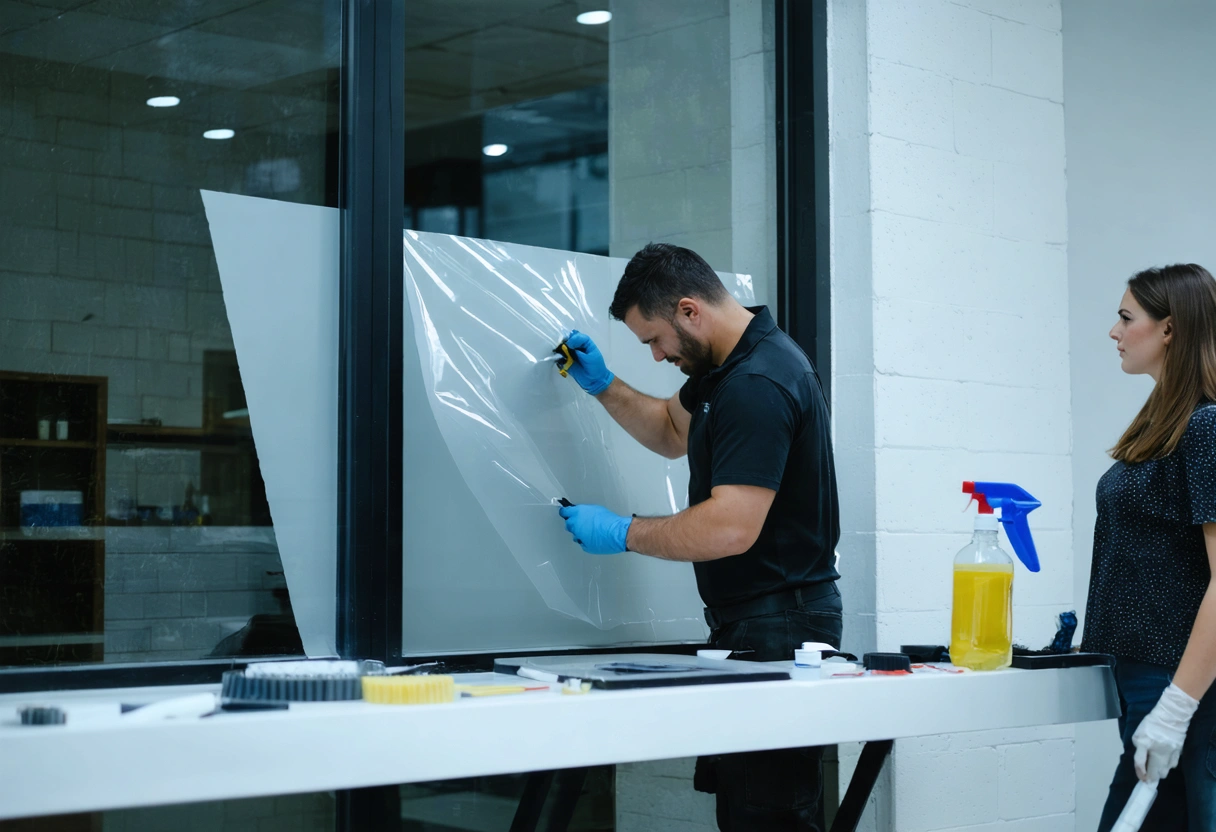
A professional installer can also assess glass type, building conditions, and performance goals before recommending a film. This is important because not every film is suitable for every glass system, and the wrong product may affect appearance, performance, or durability.
Consistent Results Across Large Glass Areas
In commercial settings, consistency matters. A storefront with mismatched film shades or an office building with uneven tint can look unprofessional. Professional installation helps create a clean, uniform finish across multiple panes and window sections.
This is especially important for businesses that want glare control without changing their brand image or building aesthetics too dramatically. The right film and installation technique can make the glass look intentional, polished, and well maintained.
Long-Term Performance and Maintenance
Once installed, commercial window film is generally easy to maintain. Most films can be cleaned with non-abrasive tools and appropriate cleaning solutions after the recommended curing period.
Businesses should follow the installer’s maintenance guidance to avoid scratching the film or damaging the edges. With correct care, window tinting can remain an effective glare reduction solution for years while continuing to support comfort and visibility.
Creating a Better Balance Between Light and Comfort
Natural light is an important asset in commercial spaces, but unmanaged sunlight can quickly become a problem. Commercial window tinting helps businesses keep the benefits of daylight while reducing the glare that interferes with work, shopping, visibility, and comfort.
By choosing the right film for the building’s exposure and daily use, offices and storefronts can create a more balanced environment that feels bright, comfortable, and professional throughout the day.
Need help with How Commercial Window Tinting Helps Reduce Glare in Offices and Storefronts?